



Rustic Oak Candle Stand
These rustic oak candle stand examples are sturdy vernacular tripod tables and turned candlesticks that bring warmth and genuine early character to any room.
Rustic Oak Candle Stand
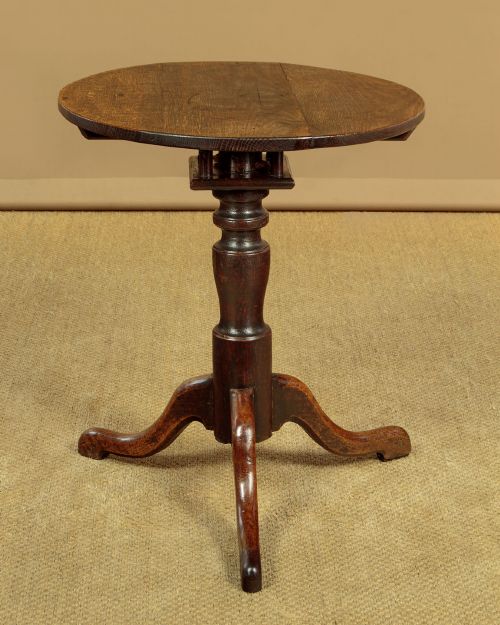
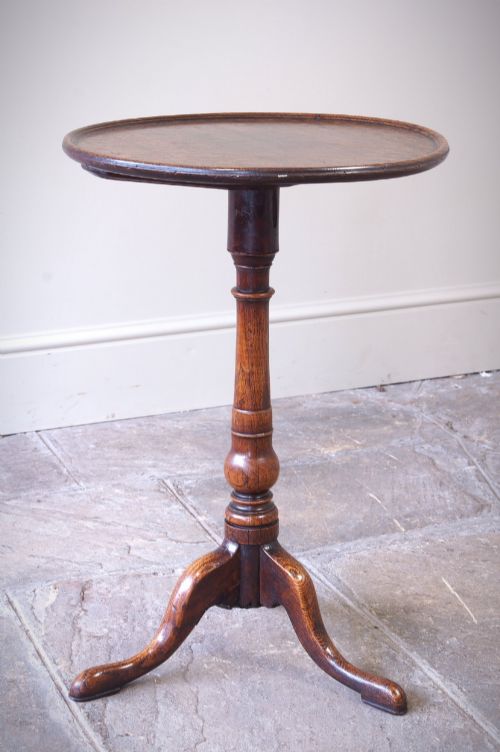
When you search for a rustic oak candle stand, you encounter honest timber pieces spanning the eighteenth century, the Georgian era, and the early twentieth century. These items include tripod tables, occasional tables, side tables, and turned candlesticks intended for everyday domestic utility.
The pieces you meet most frequently on this page are tripod tables with round or rectangular tops, often associated with the Georgian vernacular, Welsh primitive traditions, or folk art styles. Their simple construction reflects the practical needs of past households rather than courtly fashion.
Makers shaped these utilitarian objects from solid native timber, producing items that functioned as lamp tables, wine tables, or modest surfaces for illumination. Their straightforward design makes them adaptable additions to modern interiors seeking traditional warmth.
Materials and construction methods
Makers utilised solid oak, yew, and other hardwoods, sometimes applying paint or retaining the natural grain of the timber. The primary material is robust oak, chosen for its durability and availability in traditional workshops.
Turning and basic carpentry define the construction of these items, from the turned shafts of candlesticks to the three-legged bases of tripod tables. Joinery is direct and functional, showing the hand of the vernacular craftsman without superfluous ornamentation.
Rustic Oak Candle Stand Retail Price Guide 2026
Typical asking prices for rustic oak candle stand among the pieces listed under this phrase on Sellingantiques today, from the lower quarter to the upper quarter. They describe what is for sale here now, not the wider market.
Listings feature oak, yew, and painted wood across eighteenth century, Georgian, and early twentieth century periods.
Distinctions in quality and execution
Quality in these pieces rests upon the proportions of the turned elements, the integrity of the timber, and the balance of the tripod base. Superior examples display harmonious turning on the central column and a stable, well-fitted stance.
Folk art items and turned candlesticks derive their appeal from the personality of the carving and the preservation of original surfaces, such as early paint. The distinction between basic utility work and finer vernacular pieces lies in the thoughtfulness of the shaping and the age of the timber.
The Rustic Oak Candle Stand Glossary
- Tripod table
- A small occasional table supported by a central pillar resting on three legs. This form became popular during the eighteenth century for serving tea, holding candles, or displaying small objects.
- Vernacular
- Everyday objects made by local craftsmen for regional use rather than high urban workshops. These pieces often employ traditional local techniques and available native woods.
- Folk art
- Utilitarian or decorative items created by self-taught or traditional makers working outside academic art traditions. Such pieces frequently incorporate figurative carving or naive design.
- Tilt-top
- A table mechanism allowing the top to pivot to a vertical position when not in use. This clever design saved valuable floor space in smaller historic rooms.
- Primitive
- An aesthetic descriptor for unpretentious, early furniture made with minimal tooling and maximum reliance on basic structural forms. These items possess an unpolished directness valued by collectors.
Rustic Oak Candle Stand: Frequently Asked Questions
What is a rustic oak candle stand used for?
These pieces functioned as sturdy surfaces for holding candles, lamps, or small domestic items in historic homes. Today they serve equally well as compact side tables or display stands in living spaces.
Their modest footprint allows them to fit easily beside armchairs or in hallways where larger furniture would overwhelm the floor plan.
How old are these oak stands and tables?
The pieces span from the mid-eighteenth century Georgian period through to the early twentieth century. Vernacular traditions often continued regional styles long after metropolitan fashions had changed.
Examining the construction methods, tool marks, and wear patterns helps determine the relative age of each individual item.
What woods were used to make them?
Makers relied heavily on native hardwoods, primarily solid oak and occasionally yew. Some examples also feature painted surfaces that have acquired character over the decades.
The choice of local timber meant that materials varied slightly depending on the region where the piece was constructed, such as Snowdonia or rural English workshops.
How do I style a tripod table at home?
A tripod table works effectively as a lamp base, a plant stand, or a resting place for books next to seating. Its slender central column keeps the visual weight light.
Pairing these older wooden pieces with contemporary interiors creates a balanced look that highlights the honest texture of the aged timber.