






Rustic Log Storage Basket
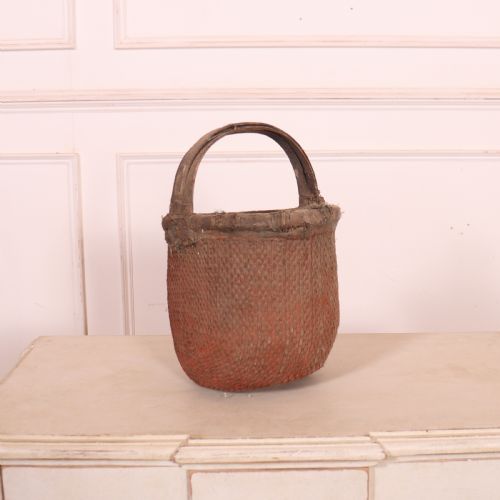
These rustic log storage basket examples bring practical hearthside function and woven texture into a room, drawing on utilitarian origins.
Rustic Log Storage Basket
A rustic log storage basket serves the hearth by holding fuel near the fire, drawing on utilitarian forms from the nineteenth and early twentieth centuries. These vessels originate from domestic, agricultural, and industrial traditions across England, France, and Scandinavia.
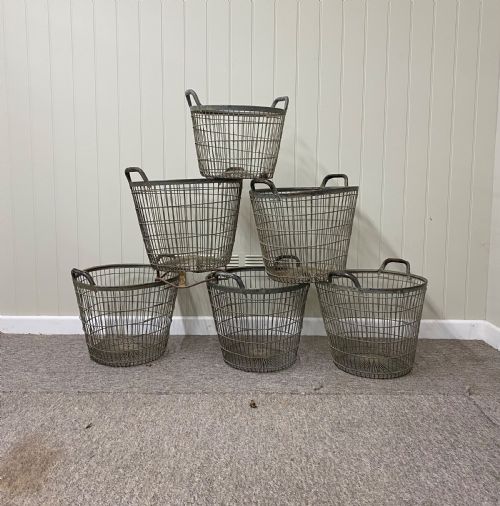
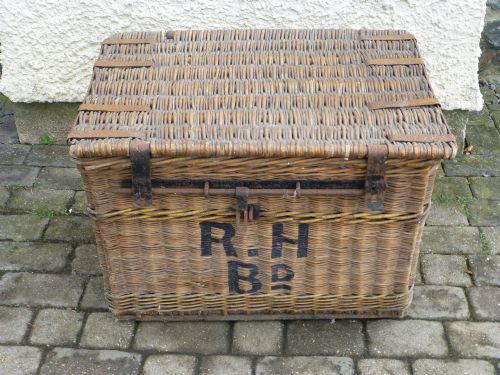
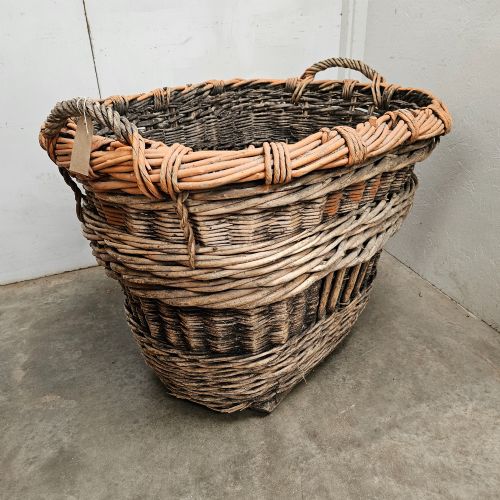
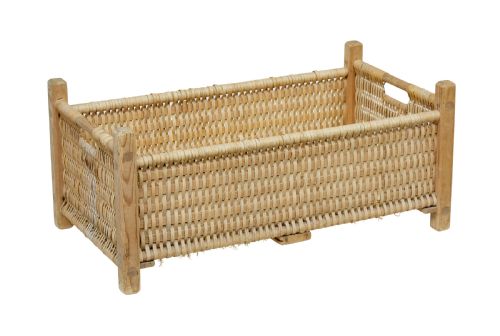
The pieces listed here appear as woven baskets, storage barrels, and metal bins rather than uniform modern containers. Buyers encounter cane travelling trunks, French grape harvest baskets, and hand-woven pine vessels adapted for domestic firesides.
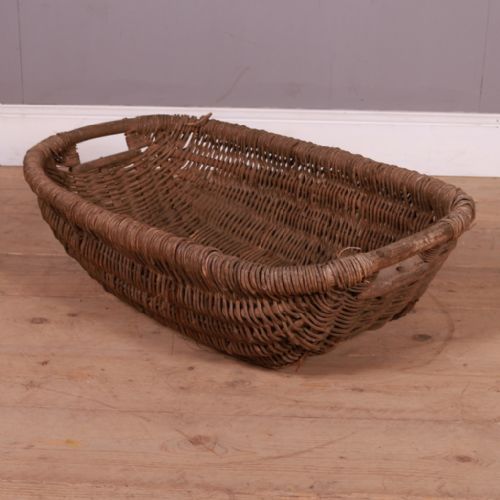
Forms range from deep wicker mill baskets and wrought iron fireside keepers to copper log bins and coopered oak barrels. Each object carries the marks of heavy past work, whether hauling grapes, linen, or industrial goods before retirement to the fireside.
How they were made
Makers utilised natural materials gathered from local environments, employing willow, cane, wood splint, and pine alongside iron and copper. Hand-weaving techniques shaped flexible willow and pine into sturdy walls, while metal vessels relied on riveting and panel construction.
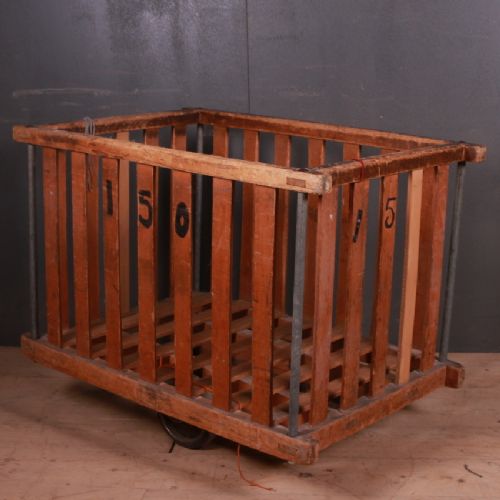
Coopered barrels and bins required tight wooden staves bound by metal hoops to contain heavy loads without failure. Wrought iron fireside keepers utilised forged metal bars shaped to withstand the heat and weight of fuel.
Rustic Log Storage Basket Retail Price Guide 2026
Typical asking prices for rustic log storage basket among the pieces listed under this phrase on Sellingantiques today, from the lower quarter to the upper quarter. They describe what is for sale here now, not the wider market.
Listings feature pine, wicker, and iron across Scandinavian and French country styles from the nineteenth century onward.
What varies in quality
The strength of the weave and the integrity of the base determine the resilience of a woven basket under heavy loads of wood. Denser willow and thick pine splints survive decades of hauling logs better than thin, brittle cane.
Metal vessels vary according to the thickness of the copper or iron and the stability of their riveted joints. Pieces that retain their original structural form without excessive distortion or rusted-away bases hold greater integrity for daily use.
The Rustic Log Storage Basket Glossary
- Coopered
- Made by coopers using wooden staves fitted together and bound with metal hoops. This technique created watertight barrels and sturdy storage bins.
- Wicker
- Pliable plant material woven into baskets and furniture. It provides both flexibility and high tensile strength for carrying heavy fuel.
- Wrought iron
- Iron beaten into shape by a smith while hot. This material offered exceptional durability for fireside tools and fuel keepers.
- Pine
- Softwood harvested extensively for furniture and utility vessels. It provided a lightweight yet robust timber for nineteenth-century storage containers.
Rustic Log Storage Basket: Frequently Asked Questions
How do I clean a woven log basket?
Dust the weave gently with a soft brush or vacuum attachment to remove loose debris and ash. Avoid soaking natural fibres in water to prevent weakening the material.
Allow any damp areas to dry completely in a well-ventilated space before returning the vessel to the fireside.
Can these metal bins go outside?
Copper and iron bins withstand sheltered outdoor conditions, though dampness accelerates metal oxidation and rust. Placing them on dry patio stones protects the base from persistent moisture.
屋内 storage prevents further weathering and preserves the historic surface patina.
Are these baskets strong enough for heavy logs?
Sturdy nineteenth-century willow, cane, and pine baskets were originally built for heavy agricultural or industrial tasks. They easily manage standard fireplace logs when the structural weave remains intact.
Inspect the base and handles to ensure they support the weight without sagging.
How do I date a pine storage barrel?
Examine the construction marks, nail types, and the wear patterns on the wood staves. Hand-forged iron hoops and irregular dovetailing or lap joints often indicate nineteenth-century origins.
Machine-cut elements and uniform sawmill marks typically point toward later twentieth-century production.