




Rustic Kitchenalia
These rustic kitchenalia pieces bring honest utility and character to the home, forged from centuries of everyday culinary life.
Rustic Kitchenalia
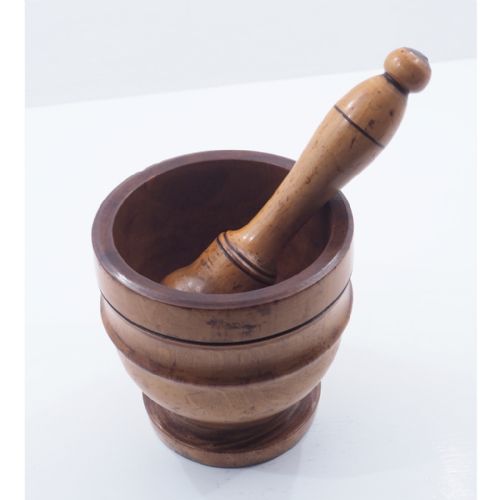
Rustic kitchenalia represents the hardworking implements and vessels of past domestic spaces, spanning centuries from the Georgian era through the Victorian period. You encounter items shaped by practical daily use, including salt boxes, pestles and mortars, dairy bowls, and flour scoops.
The objects originate from British and European workshops, featuring regional forms like Welsh vernacular pieces and French provincial dairy vessels. These utilitarian survivors showcase the honest craft of past kitchens rather than decorative salon excess.
Materials and construction
Makers shaped these utilitarian objects primarily from timber such as sycamore, oak, olive wood, and mixed pine, selecting woods suited to daily handling and food preparation. Iron hardware, original paint traces, and carved stone complete the construction of these hardwearing domestic implements.
Makers fashioned bowls, mortars, and scoops through manual turning, carving, and joining techniques. The evidence shows surviving surfaces bearing the honest marks of hand tools, alongside original iron hinges and historical painted finishes.
Rustic Kitchenalia Retail Price Guide 2026
Typical asking prices for rustic kitchenalia among the pieces listed under this phrase on Sellingantiques today, from the lower quarter to the upper quarter. They describe what is for sale here now, not the wider market.
Judging quality in domestic implements
Quality rests in the integrity of the surviving material and the honesty of the surface patination accumulated through generations of use. Pieces retaining original paint traces, untouched iron hardware, and well-worn timber surfaces stand apart from heavily restored examples.
Proportion and purpose define the superior pieces in this field. A well-balanced dairy bowl or a robust floor-standing mortar displays a direct harmony between utilitarian function and thoughtful hand-crafting.
The Rustic Kitchenalia Glossary
- Kitchenalia
- Utilitarian items and implements once used in domestic food preparation and kitchen management. These objects were strictly functional before later collectors valued them for their decorative character.
- Dairy bowl
- A wide vessel utilised in traditional dairies for setting milk and skimming cream. These are typically turned from single pieces of timber such as sycamore.
- Salt box
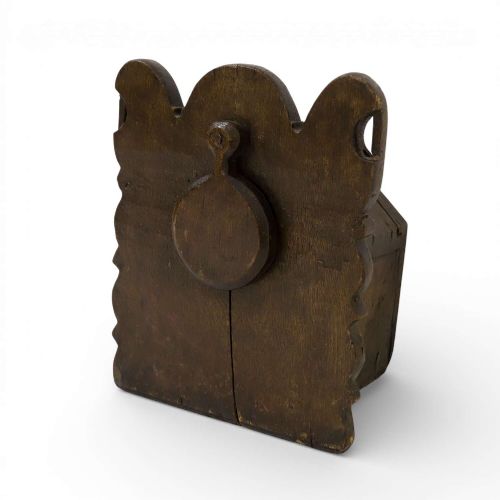
- A wall-mounted or lidded container designed to keep dry salt near the hearth or cooking area. They often feature hinged wooden lids and hanging brackets.
- Vernacular
- Objects designed and built by local craftspeople using regional traditions and readily available materials. These pieces prioritise practical function over high-style academic design.
- Confit pot
- A glazed earthenware vessel used historically in rural France for storing preserved meats. They feature distinctive glazed finishes and sturdy carrying handles.
Rustic Kitchenalia: Frequently Asked Questions
What is rustic kitchenalia?
Rustic kitchenalia encompasses antique utilitarian objects and implements used in historical domestic kitchens and dairies. These pieces range from wooden salt boxes to heavy stone mortars.
Collectors prize them for their honest craftsmanship, tactile materials, and the patination gained from generations of practical household use.
How were old wooden bowls used?
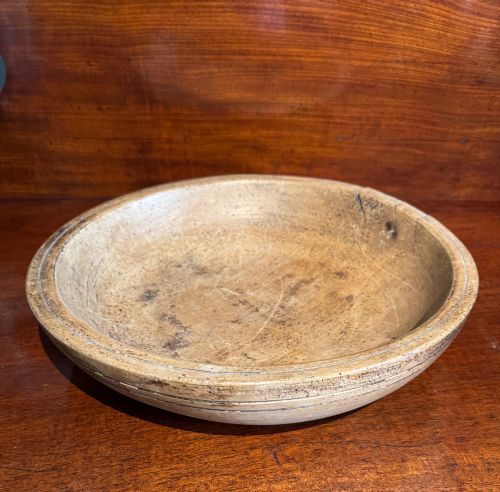
Wooden bowls served multiple purposes in historical households, particularly in dairy management for setting milk, separating cream, and kneading bread dough. Sycamore was a preferred timber because it resisted splitting and imparted no taste to food.
These vessels were scrubbed daily with sand and water, creating the pale, deeply scoured surfaces seen today.
How do I identify a salt box?
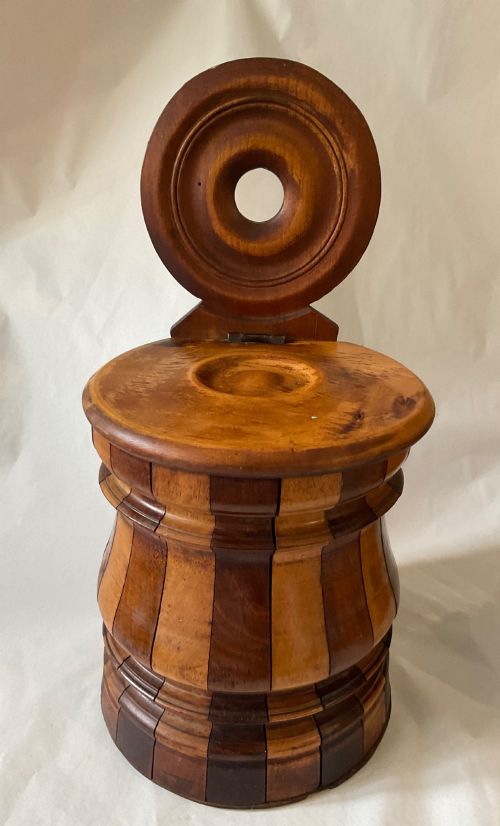
A salt box is a domestic container designed to keep salt dry by the hearth, usually featuring a flat back for wall hanging and a sloping hinged lid. They are constructed from timber and often include original iron hardware.
Earlier examples from the seventeenth and eighteenth centuries may show traces of early paint or pegged wooden construction.
Can I use antique mortars for cooking?
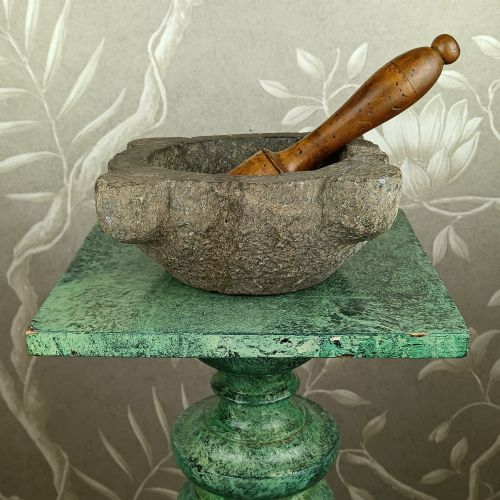
Many stone and heavy wood mortars remain structurally sound and capable of grinding herbs and spices just as they were centuries ago. However, porous timbers and pieces with historic painted surfaces or fragile iron components are best kept for display.
Evaluating the internal condition and material will guide whether an implement suits active culinary use.