



Rustic Kitchen Island Block
A rustic kitchen island block grounds the room with honest utility, offering a sturdy workspace shaped by generations of practical toil.
Rustic Kitchen Island Block
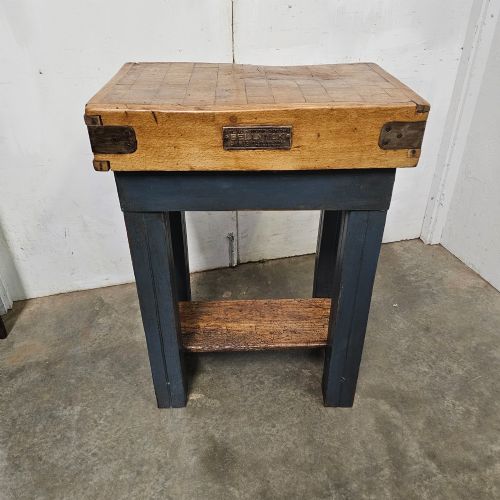
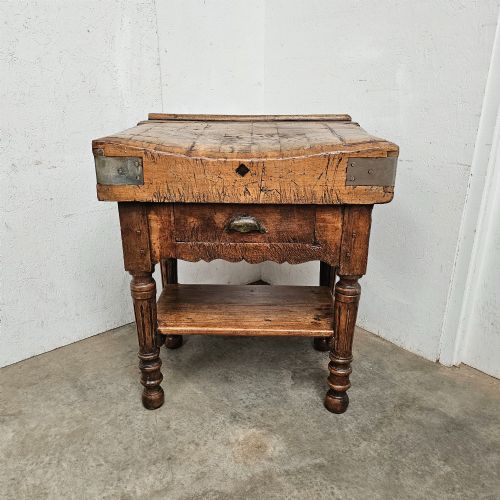
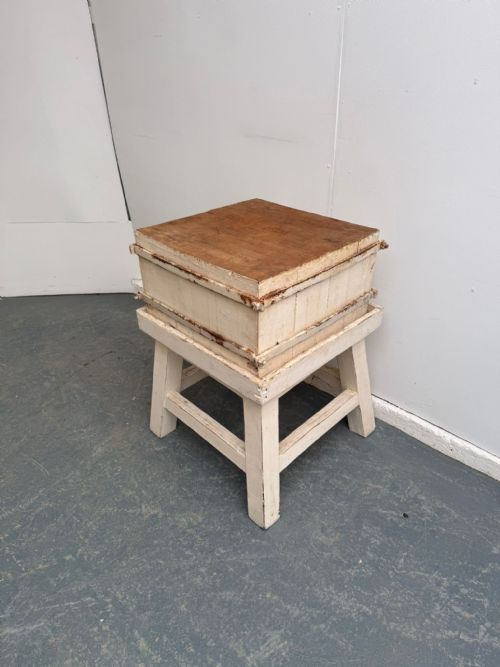
A rustic kitchen island block serves as the hardworking centrepiece of a domestic interior, combining heavy-duty preparation surfaces with enduring charm. When exploring a rustic kitchen island block, buyers typically encounter robust timber chopping tables, prep surfaces, and dedicated butchers blocks originating from the nineteenth and early twentieth centuries.
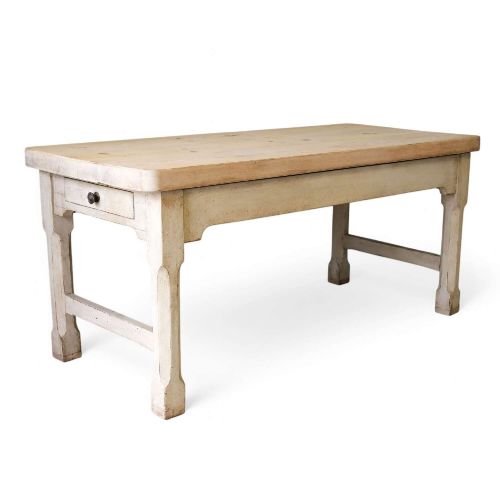
The selection here encompasses diverse regional origins, ranging from English country house prep tables and oak pastry counters to French provincial elm chopping blocks and Hungarian painted pieces. These forms evolved entirely for culinary graft, carrying the scratches, stains, and indentations of daily kitchen life.
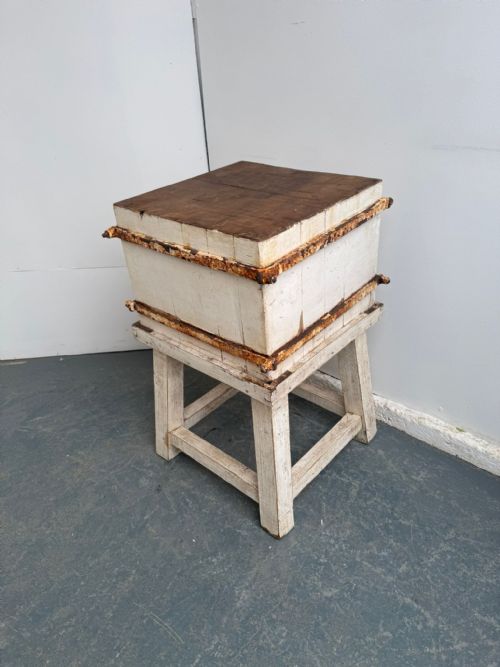
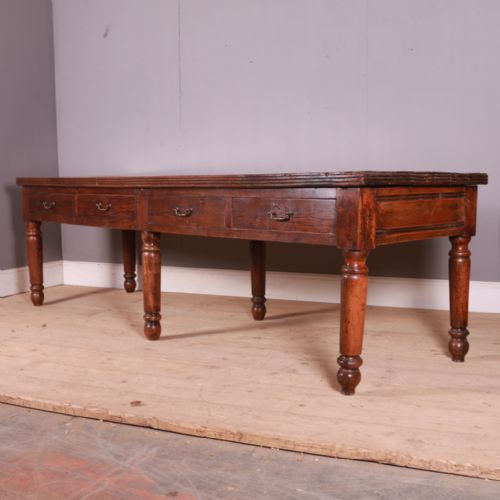
Many examples arrive mounted upon dedicated stands or decorative bases, while others retain utilitarian drawers and iron or brass fixings. The aesthetic leans heavily into Victorian industrial, rustic vernacular, and farmhouse traditions, where sturdy construction matters far more than delicate ornament.
How they were made
Makers relied on dense, resilient hardwoods like beech, oak, elm, and pine to withstand constant chopping, pounding, and pastry rolling. End-grain or thick plank construction absorbed heavy blows without splitting, ensuring the surface remained serviceable over decades of continuous employment.
Frames and stands frequently incorporated iron, metal, or painted softwood to support the immense weight of the top slab. Joinery was straightforward and utilitarian, using robust dowels, housing joints, and sturdy bracing rather than fragile decorative techniques.
Rustic Kitchen Island Block Retail Price Guide 2026
Typical asking prices for rustic kitchen island block among the pieces listed under this phrase on Sellingantiques today, from the lower quarter to the upper quarter. They describe what is for sale here now, not the wider market.
Listings feature woods like beech, oak, and pine paired with iron, brass, and painted finishes across French and English provincial forms.
What varies in quality
Quality rests in the density and original thickness of the timber top, alongside the integrity of its structural support. A block with substantial depth of remaining wood possesses greater endurance than one heavily worn down by generations of aggressive scrubbing.
The harmony between the working top and its base dictates the visual success of the piece. Retaining original paint, authentic hardware, or maker signatures elevates an item, distinguishing a workshop piece built for heavy trade from a domestic makeshift table.
Trussant & Cie
The Rustic Kitchen Island Block Glossary
- Butchers block
- A thick, heavy wooden table designed specifically for jointing meat and heavy food preparation. These tops are usually built from multi-layered end-grain timber to resist knife scarring.
- Prep table
- A utilitarian wooden surface used across domestic and commercial kitchens for general food assembly and baking tasks. They frequently feature lower shelves or integrated drawers for utensils.
- End-grain
- Timber cut across the growth rings, presenting the hardest surface for chopping blocks. This orientation allows knife blades to slip between wood fibres rather than severing them.
- Vernacular
- Objects designed and built by local craftsmen to fulfil a specific local function rather than following high-style academic design. These pieces prioritise practical utility above all else.
- Pastry prep table
- A specialised workspace traditionally topped with stone, marble, or smooth hardwood to keep pastry cool and prevent sticking during rolling.
Rustic Kitchen Island Block: Frequently Asked Questions
How do I clean a vintage block?
Maintain the timber by scraping away debris and wiping the surface with mild soap and warm water, avoiding excessive soaking that might warp the old wood. Regularly nourish the dry grain with food-safe mineral oil to preserve the original finish.
Harsh chemical detergents strip the natural patination built up over decades of use. Treat the surface gently to respect the history held within the timber.
Can I use it for heavy chopping?
Most of these historic blocks were built precisely for heavy culinary graft and remain structurally capable of enduring daily kitchen tasks. Assess the thickness of the top slab before subjecting it to commercial-level butchery.
Lighter prep tables with softer pine or elm tops suit pastry work and vegetable slicing better than heavy meat chopping. Match the task to the specific density of the wood.
How do I date an old block?
Examine the tool marks, fastener types, and the method of construction in the frame and undercarriage. Hand-sawn boards, forged iron brackets, and early paint layers generally point toward nineteenth-century origins.
Wear patterns also tell a story, as decades of use create characteristic depressions and softening of sharp edges. Compare the construction details against documented regional pieces from the same era.
Are painted bases original?
Many industrial and country pieces received protective coats of paint during their working lives to guard against moisture and insect damage. Later paint layers frequently sit atop earlier historic finishes, reflecting ongoing practical maintenance in busy kitchens.
Traces of original or early paint add character and historical depth to a piece. Examine the chipped edges to understand the chronological layering of the surface.