





Rustic Iron Pendant
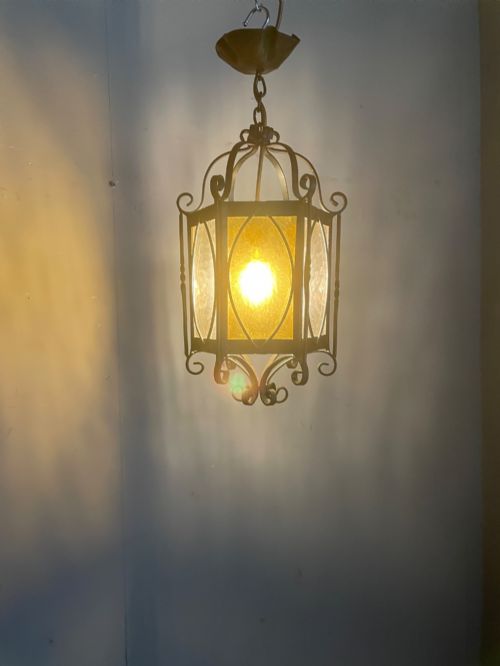
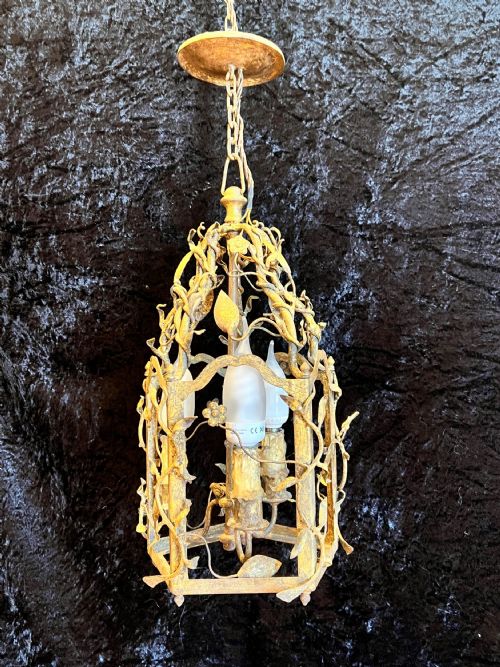
These rustic iron pendant lights bring heavy forged metal and glass into a space to anchor a room with period character.
Rustic Iron Pendant
A rustic iron pendant or hanging light brings together forged metalwork and glass to illuminate hallways, porches, and rooms. Buyers seeking these fixtures find lanterns and chandeliers shaped by hand in styles ranging from Gothic Revival and Arts and Crafts to French Country and Italian Florentine.
The selections available here span several centuries, featuring pieces dated from the eighteenth century through to the early decades of the twentieth century. Hexagonal hall lanterns, wagon wheel chandeliers, and porch lights form the core of the objects recorded on this page.
Materials and construction
Blacksmiths shaped these items primarily from wrought iron and cast iron, often combining the dark metal with glass panels or crystal details. Certain pieces incorporate copper, gilt metal, and dark wood to add contrast and texture to the hanging frames.
Makers utilised traditional forging techniques to build structural frames, securing glass panes within metal cages or suspending coloured crystal fruits like grapes and pears from multi-branched iron chandeliers.
Rustic Iron Pendant Retail Price Guide 2026
Typical asking prices for rustic iron pendant among the pieces listed under this phrase on Sellingantiques today, from the lower quarter to the upper quarter. They describe what is for sale here now, not the wider market.
One nineteenth-century chandelier replaces standard crystal drops with glass fruits including grapes, apples, and pears.
Judging quality in iron lighting
Quality rests in the hand-forged details of the ironwork and the integrity of the integrated glass or crystal elements. Individual hammer marks and visible blacksmithing methods separate bespoke or early pieces from later mass-produced alternatives.
The complexity of the design, such as multi-branched frames, decorative shamrocks, or fitted coloured glass fruits, distinguishes the finer examples within this group of lighting.
The Rustic Iron Pendant Glossary
- Wrought iron
- Iron that has been heated and worked with tools by a blacksmith. This material provides the strong, fibrous structure seen in early chandeliers and lanterns.
- Hall lantern
- An enclosed hanging light designed specifically for entryways and corridors. These fixtures typically feature glass sides held within a metal frame.
- Gothic Revival
- A design style drawing inspiration from medieval architecture. Pieces in this tradition often display pointed arches and heavy metal tracery.
- Arts and Crafts
- A movement prioritising traditional craftsmanship and simple forms. Objects from this origin frequently showcase visible construction methods and honest use of materials.
Rustic Iron Pendant: Frequently Asked Questions
Where do these hang best?
These fixtures suit entryways, stairwells, and high-ceilinged rooms where a substantial metal frame can hang freely. Porches and hallways also accommodate the enclosed lantern formats effectively.
Lower ceilings require careful placement to ensure clearance beneath multi-branched chandeliers or hanging wagon wheel designs.
How old are these lights?
The pieces span from the eighteenth century up through the nineteenth and early twentieth centuries. Dates range across the 1800s, 1900, 1910, 1920, and 1930.
Stylistic markers such as Gothic Revival details and Arts and Crafts construction help place individual examples within their respective eras.
Are they made by hand?
Many examples show evidence of blacksmith production, including cast iron elements and hand-forged wrought iron frames. Individual items carry the specific marks of manual creation.
Construction methods vary between bespoke blacksmith work and workshop production from the Victorian and Edwardian periods.
What materials are used?
Wrought iron and cast iron form the primary structural components of these hanging lights. Glazing relies on clear glass, coloured glass, and occasionally crystal elements.
Secondary materials like copper, gilt metal, and dark wood appear across specific French and Italian designs.