






Rustic Hunting Lodge
These rustic hunting lodge pieces bring the rugged atmosphere of the nineteenth century alpine interior directly into your home.
Rustic Hunting Lodge
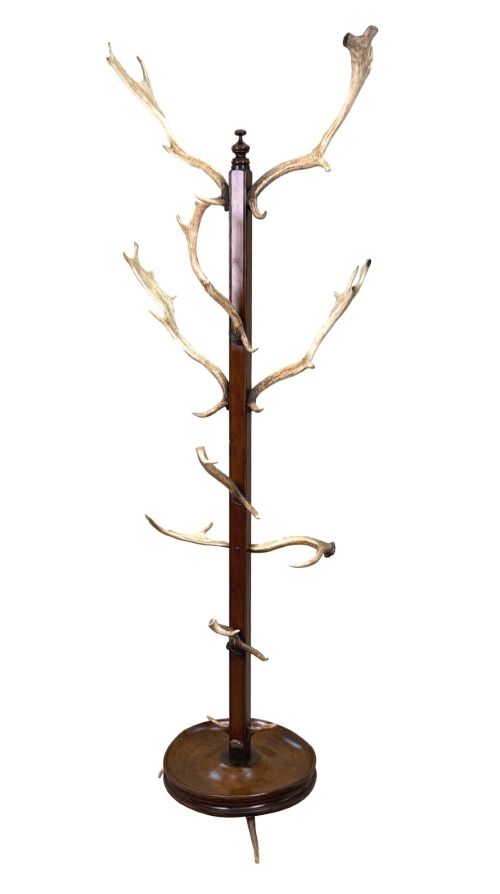
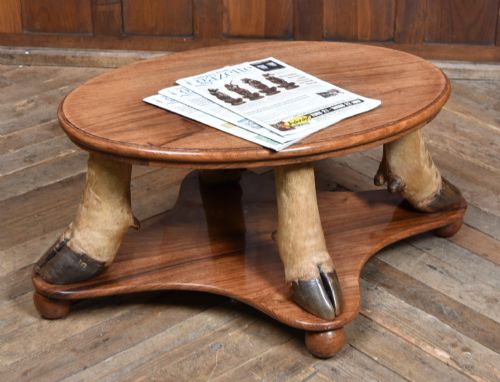
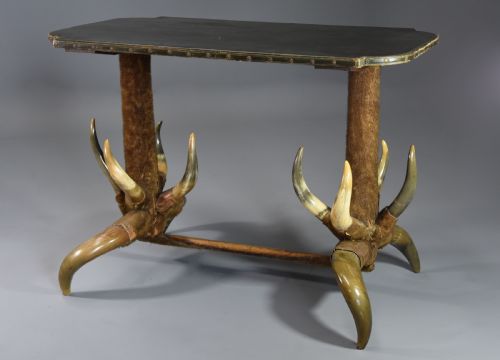
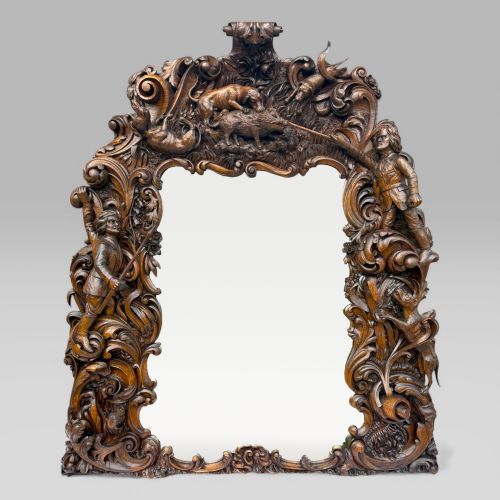
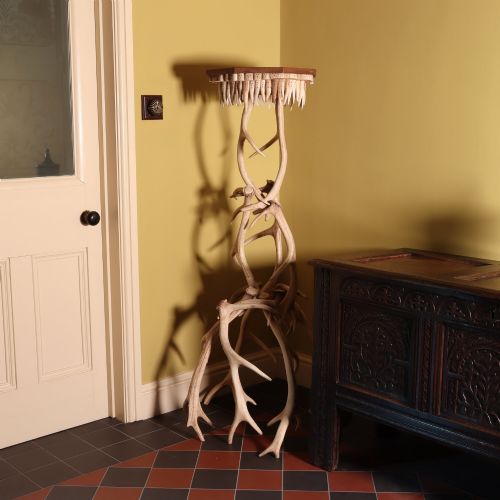
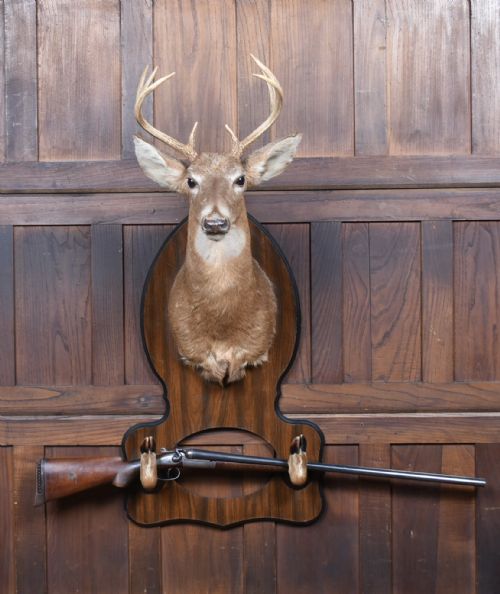
A rustic hunting lodge interior relies on functional furniture and decorative items fashioned directly from the materials of the forest and the hunt. When you search for rustic hunting lodge items, you encounter domestic furnishings designed to evoke the wilderness through raw natural forms and skilled carving. The selection on this page centres on nineteenth century Victorian and continental European pieces created for country houses and shooting estates.
Geographically, the pieces draw from British Victorian design as well as continental traditions including Black Forest and German historicism. You find items originating from Switzerland, Germany, and France alongside British examples from the eighteen eighties and nineties. This broad European stylistic exchange creates a cohesive aesthetic built on natural materials and wildlife motifs.
Materials and construction
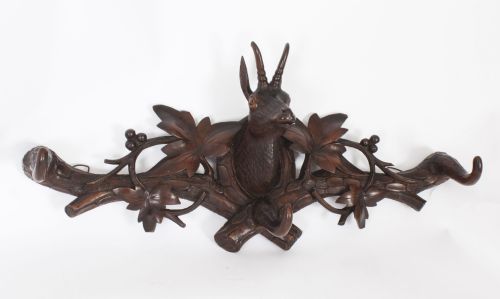
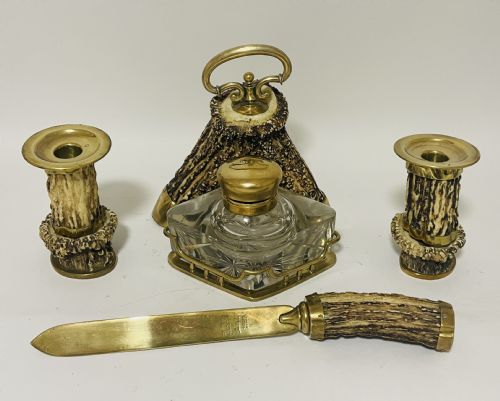
Makers utilised organic materials gathered from nature, predominantly red deer, roe deer, and fallow deer antler, alongside cow and chamois horn. These animal components were paired with dense timbers such as oak, walnut, linden wood, and standard wood substrates. Brass fittings and glass elements occasionally secure or accent the structural joints of coat racks and desk sets.
The construction demanded specialist carpentry and joining techniques to turn irregular natural materials into stable domestic objects. Antlers and horns were bolted, mortised, and fitted into wooden backplates or chair frames to bear physical weight. Woodcarvers worked alongside specialists in horn and taxidermy to render detailed animal heads, foliage, and structural supports by hand.
Rustic Hunting Lodge Retail Price Guide 2026
Typical asking prices for rustic hunting lodge among the pieces listed under this phrase on Sellingantiques today, from the lower quarter to the upper quarter. They describe what is for sale here now, not the wider market.
Materials appearing across the inventory include red and roe deer antler, cow horn, chamois horn, oak, walnut, linden wood, brass, and glass.
Assessing quality
Quality in these items rests upon the structural integrity of the natural materials and the ambition of the design. Superior pieces successfully manage the difficult task of turning brittle horns and asymmetrical antlers into balanced, load-bearing furniture like armchairs and hall stands. Lesser examples rely on simple mounting without cohesive artistic vision.
The depth and precision of the hand carving separates standard production from exceptional craftsmanship. Black Forest and continental pieces often feature deeply undercut foliage and naturalistic animal anatomy carved from solid wood blocks. Original surfaces and untouched patination further distinguish items that retain their historical character.
The Rustic Hunting Lodge Glossary
- Antler
- The shed or harvested bony growth of deer, utilised in these pieces for structural framing and decorative display.
- Black Forest
- A nineteenth century Swiss and German carving style known for realistic depictions of wildlife and natural foliage in wood.
- Taxidermy
- The art of preparing, stuffing, and mounting the skins of animals for display, frequently integrated into furniture.
- Historicism
- An artistic style that draws inspiration from recreating historic architectural and decorative forms of earlier eras.
- Linden wood
- A pale, fine-grained wood favoured by European carvers for its softness and suitability for intricate detail work.
Rustic Hunting Lodge: Frequently Asked Questions
What is a rustic hunting lodge piece?
These items are nineteenth century furnishings and decorative objects constructed from natural materials like antler, horn, and carved wood. They reflect the aesthetic of European hunting estates and Victorian country houses.
They combine practical domestic utility with rugged wildlife themes, ranging from large hall stands to small desk sets.
How were these items used originally?
Owners placed them in entrance halls, shooting lodges, and studies to organise outdoor gear and display trophies of the hunt. Hat and coat racks held heavy garments, while armchairs provided seating in reception rooms.
Their robust construction was intended to withstand the daily demands of country life and field sports.
How do I live with antler furniture?
These pieces suit interiors that embrace traditional textures, moody colour palettes, and historic character. They anchor a room when paired with plain walls and simple surrounding decor.
Care involves keeping them away from direct heat sources and extreme humidity to protect the organic antler and wood components.
How can I tell the period?
Dating relies on stylistic markers such as Victorian Gothic revival influences, German historicism, and Black Forest carving techniques. The specific combination of brass mounts, timber types, and taxidermy methods points to the late nineteenth or early twentieth century.
Construction details like hand-cut screws and traditional joinery confirm the nineteenth and early twentieth century origin of the work.