




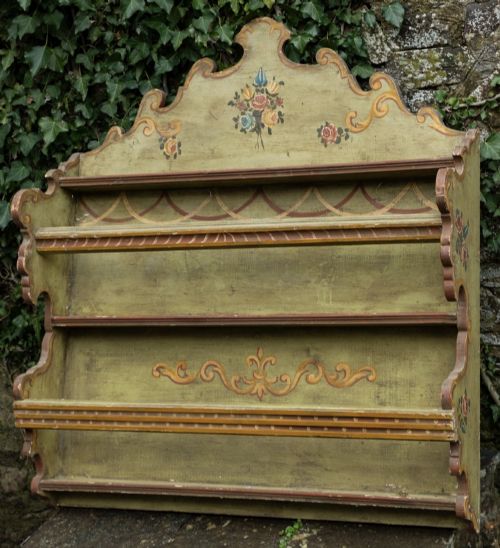
Rustic Display Unit
A rustic display unit brings functional storage and timeless utility into a room, offering exposed timber and practical shelving.
Rustic Display Unit
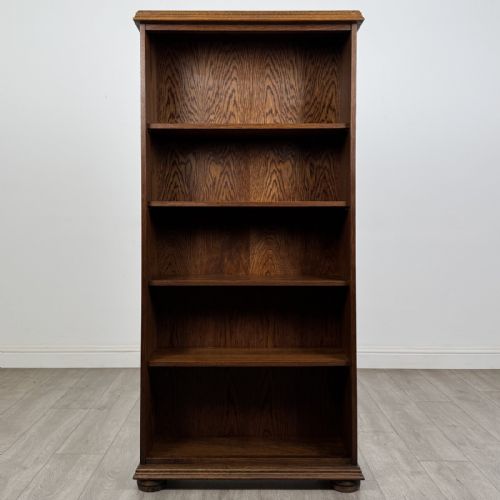
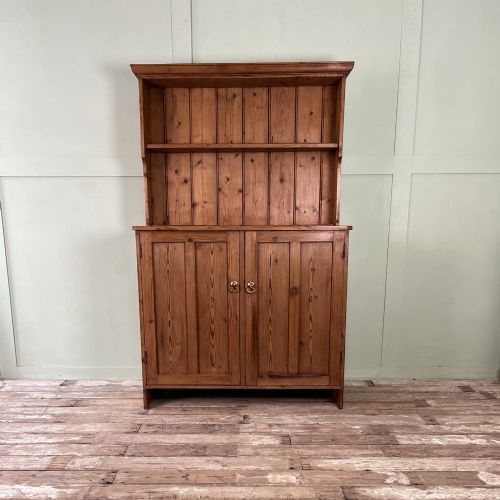
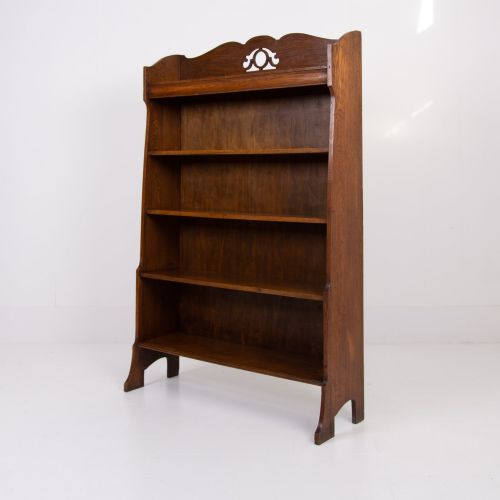
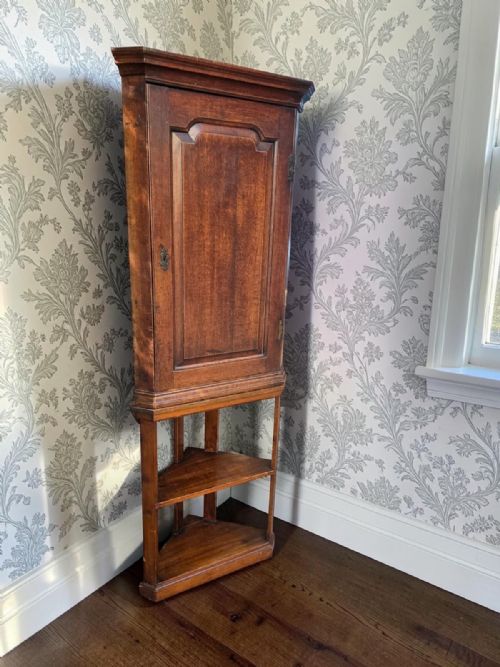
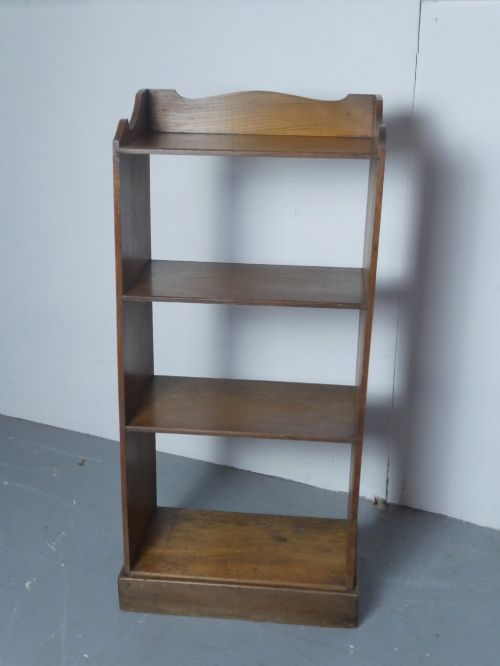
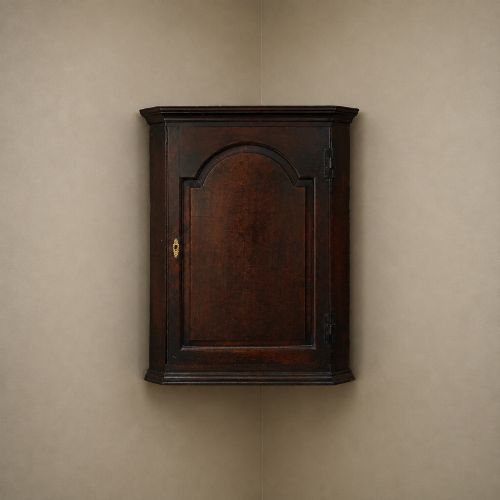
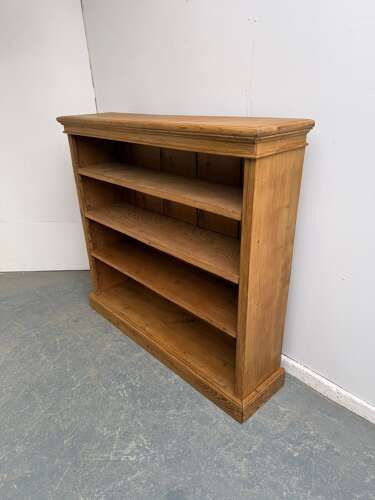
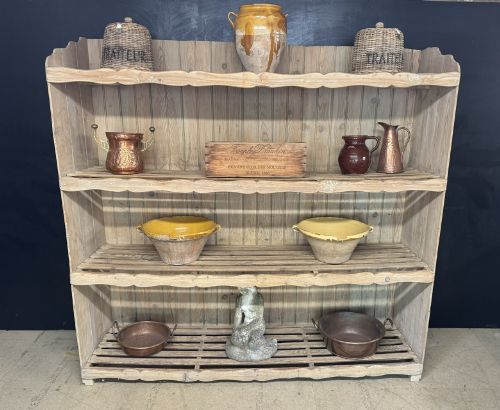
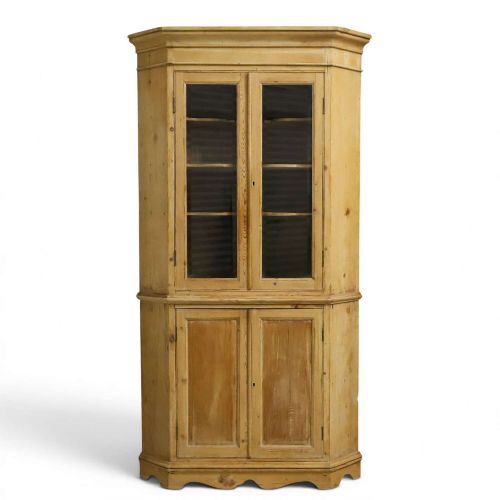
A rustic display unit serves primarily to hold and exhibit domestic items, drawing on forms made for everyday use over past centuries. Buyers seeking a rustic display unit will encounter an assortment of corner cabinets, bookcases, dressers, and wall shelves built to suit domestic spaces.
The material record leans heavily towards pine and oak, alongside painted wood and iron. Pieces span the eighteenth, nineteenth, and early twentieth centuries, encompassing English country, French provincial, and Arts and Crafts styles.
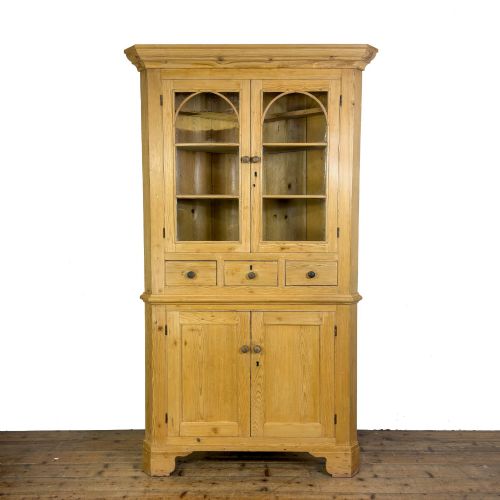
Kitchen dressers and corner cupboards dominate the available forms, often utilising two-part structures or open shelving. These items range from unpretentious country workshops to decorative painted shop fittings.
How they were made
Makers constructed these units using solid timbers such as pine, oak, elm, and walnut, often joining panels with traditional methods suited to domestic workshops. Surfaces show traces of wax, original paint finishes, or stripped wood, reflecting the practical maintenance of earlier periods.
Hardware and structural reinforcement incorporated brass, iron, and wrought iron for hinges, hooks, and hanging racks. Glazed doors and open shelf configurations required careful framing to support books, ceramics, and provisions.
Rustic Display Unit Retail Price Guide 2026
Typical asking prices for rustic display unit among the pieces listed under this phrase on Sellingantiques today, from the lower quarter to the upper quarter. They describe what is for sale here now, not the wider market.
Listings feature pine and oak predominantly, spanning the eighteenth to early twentieth centuries through regional styles like English country and French provincial.
What varies in quality
The standard of timber selection and joinery distinguishes more robust examples from simpler utility pieces. Dense grain in older oak and carefully chosen pine boards indicate greater durability and original purpose.
Survival of original painted surfaces or patinated wax finishes elevates a piece, whereas later stripping or repainting alters the historic character. Proportions also vary, from utilitarian wall-hanging shelves to substantial two-part dressers and bow-fronted corner cabinets.
The Rustic Display Unit Glossary
- Corner cabinet
- A storage unit specifically designed to fit into the internal angle of a room, saving floor space while displaying contents.
- Bakers rack
- An open metal or wooden shelving structure historically utilised in food preparation and bakery trades.
- Two-part form
- A piece of furniture constructed in two distinct stacked sections, such as a cupboard base beneath an upper display tier.
- Arts and Crafts
- A design movement prioritising traditional craftsmanship, simple forms, and visible construction methods, frequently seen in oak bookcases.
- Deal wood
- A term applied to softwood timber derived from pine or fir trees, commonly used in nineteenth-century country furniture.
Rustic Display Unit: Frequently Asked Questions
Where should I place a corner cabinet?
These units fit neatly into unused room angles, making them practical for smaller spaces where straight furniture protrudes.
They utilise vertical height effectively while keeping walkways clear.
How do I care for waxed pine furniture?
Maintain the surface by applying a suitable beeswax periodically to nourish the timber and preserve the soft sheen.
Avoid placing wooden furniture near direct heat sources to prevent warping.
What is the difference between an open bookcase and a display cabinet?
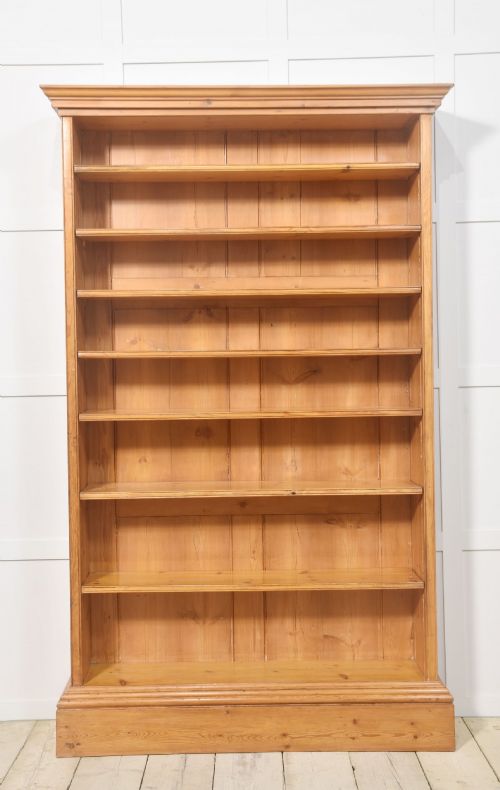
Open bookcases provide direct access to shelves without doors, suiting everyday book storage and decorative items.
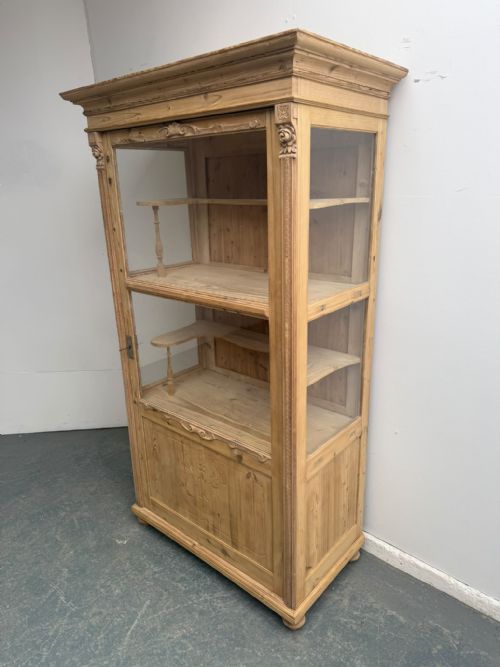
Display cabinets feature glass doors to protect contents from dust while allowing full visibility.
How do I identify a Georgian piece?
Georgian items typically date from the eighteenth century, showing classical proportions and traditional joinery in woods like oak.
Details such as panelled doors and moulded cornices help define the period style.