


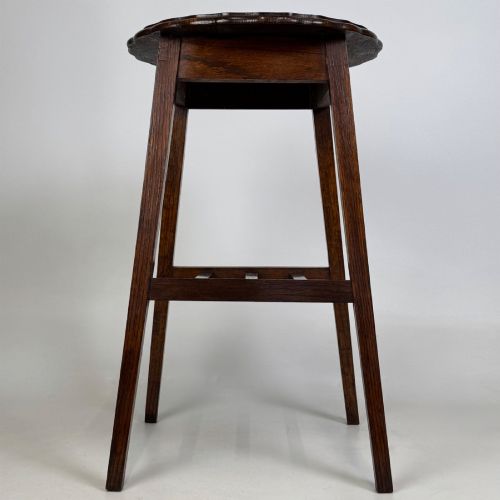

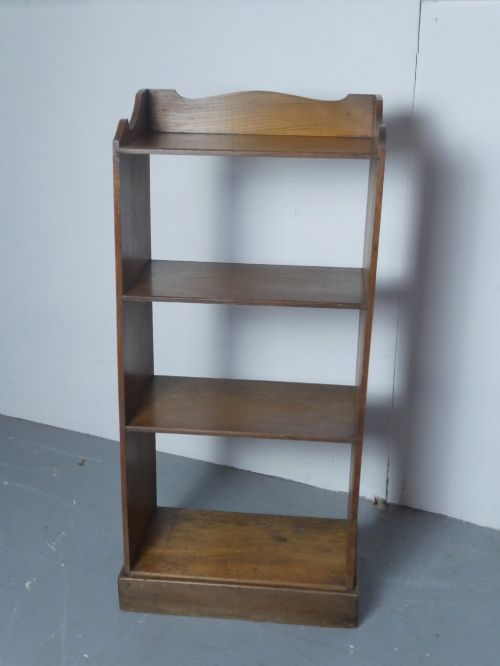
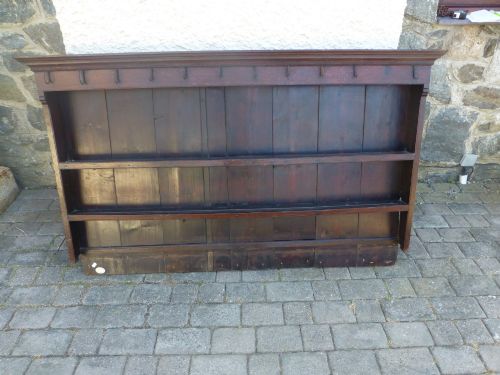
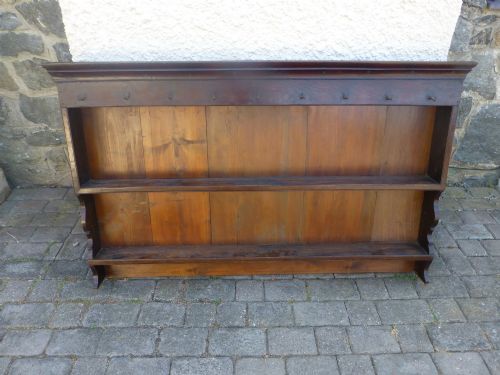
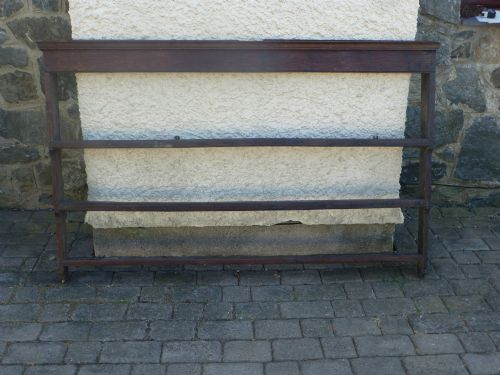
Rustic Display Shelf
A rustic display shelf brings immediate warmth and honest utility to a room, holding books, ceramics and daily objects with unpretentious charm.
Rustic Display Shelf
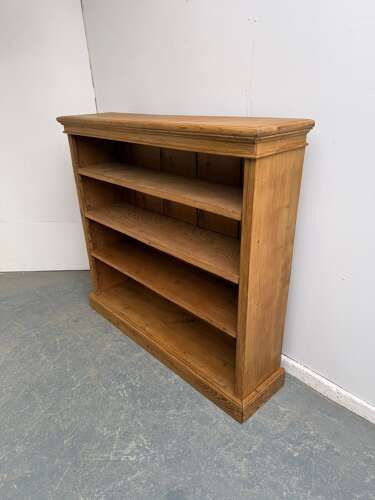
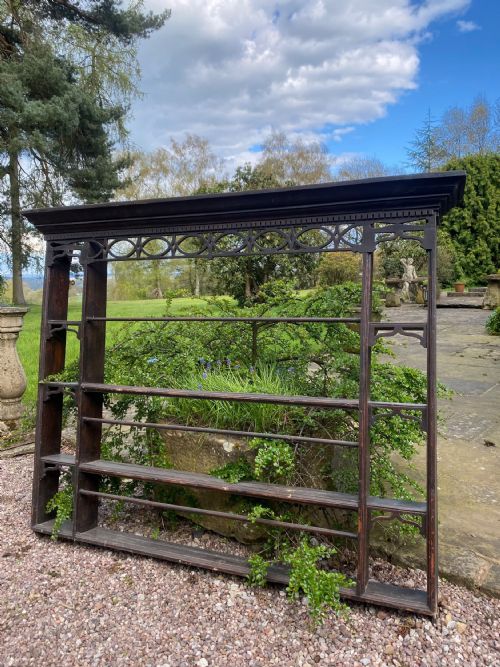
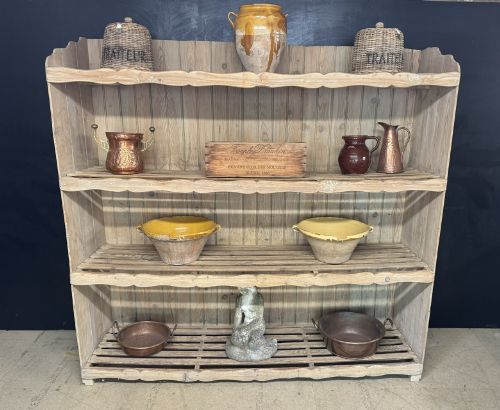
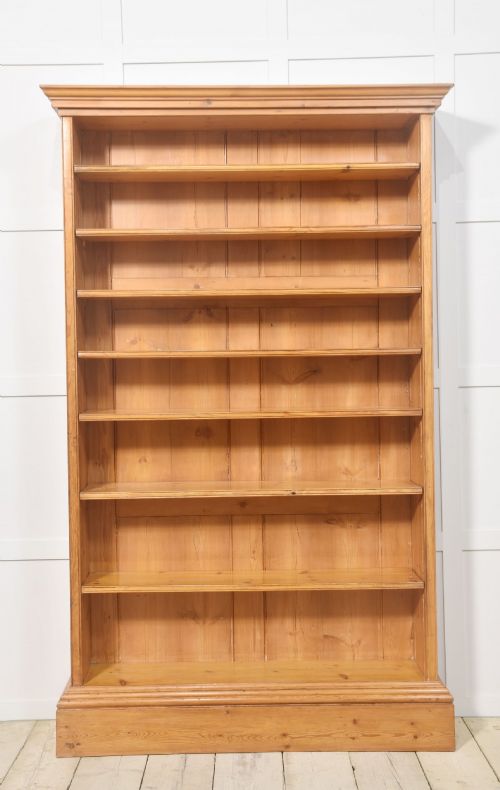
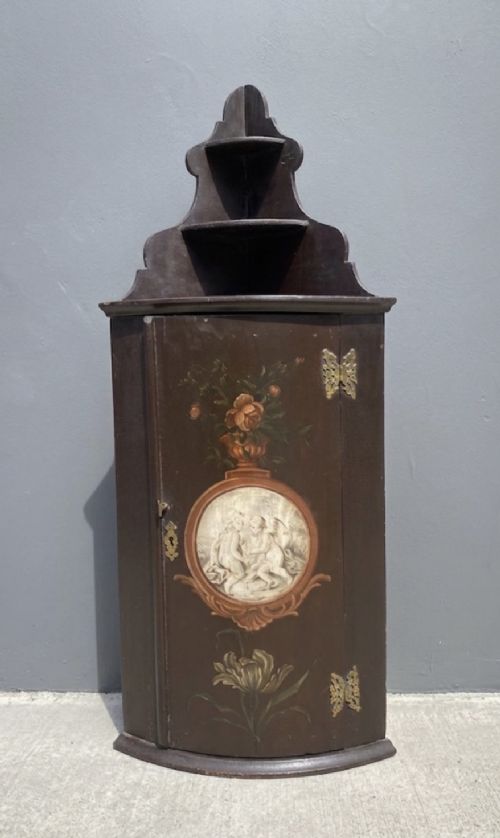
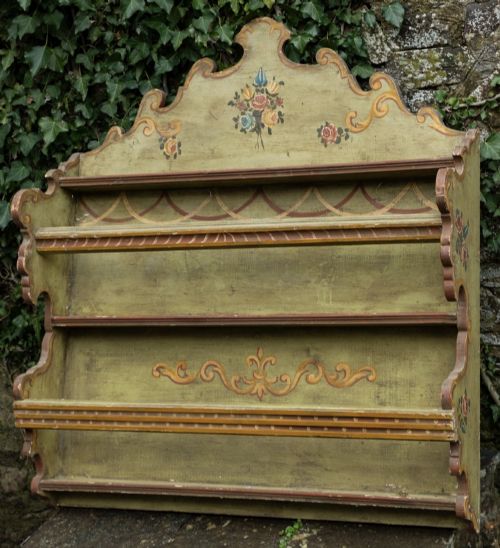
A rustic display shelf encompasses open bookcases, plate racks, wall shelves and dressers originating from the eighteenth century through to the Edwardian period and the early twentieth century. Buyers seeking this phrase encounter sturdy utilitarian furniture designed for practical storage in country houses, farmhouses and cottages.
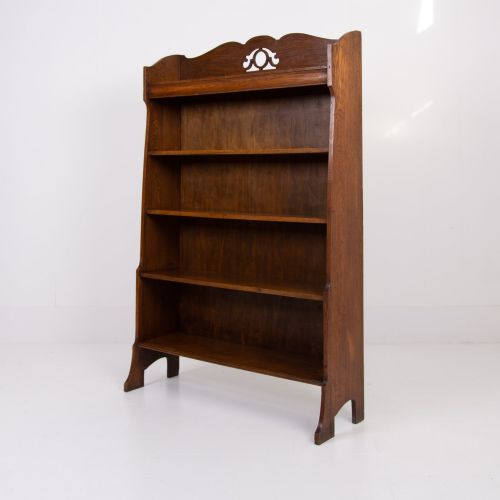
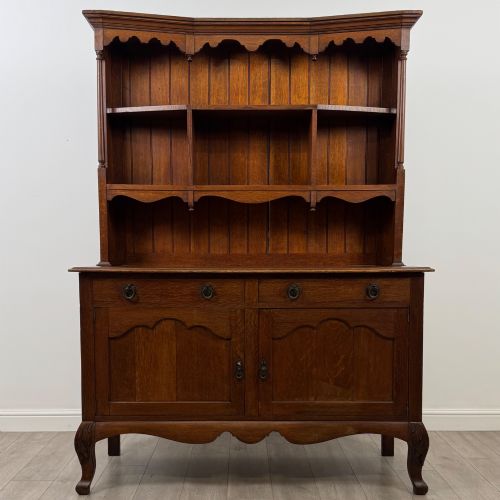
The most common examples on this page are constructed from oak or pine, appearing as open bookcases, wall-mounted delft racks and traditional Welsh dressers. These items bridge the gap between architectural fittings and movable furniture, offering accessible platforms for showing pottery and books.
Origins stretch across English, French and Italian workshops, reflecting regional domestic habits. Pieces range from simple eighteenth-century oak wall racks to painted Victorian and Edwardian bookcases with adjustable shelving.
How they were made
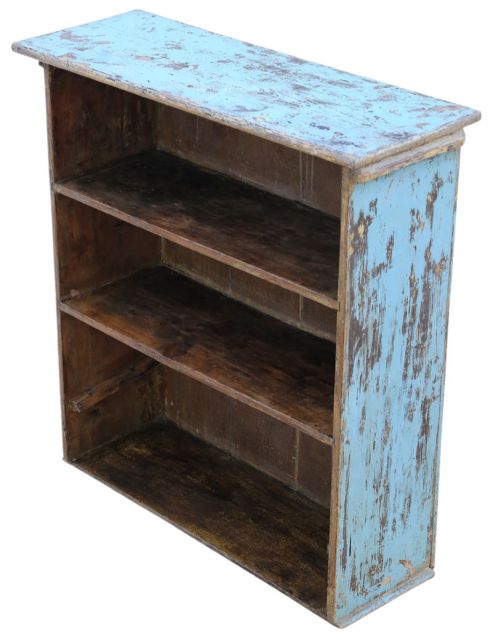
Makers relied primarily on solid timbers such as oak, pine and walnut, shaped with hand tools and assembled using traditional joinery methods appropriate to domestic furniture. Surfaces are frequently left in bare waxed wood or finished with traditional paint layers, sometimes showing historic distressing.
Metal elements appear in brass fittings, iron brackets and wrought iron scrollwork, particularly on bakery racks and structural supports. Paint finishes utilise historic palettes, including specialised shades like Little Greene Pompeian Ash, applied directly to deal and pine surfaces.
Rustic Display Shelf Retail Price Guide 2026
Typical asking prices for rustic display shelf among the pieces listed under this phrase on Sellingantiques today, from the lower quarter to the upper quarter. They describe what is for sale here now, not the wider market.
Several pieces preserve their working kitchen origins, carrying centuries of flour dust and stubborn pastry grease in their grain.
What varies in quality
Quality rests upon the integrity of the timber selection and the retention of original surfaces, such as early paint or patinated wax. Pieces built from dense structural oak or well-seasoned pine hold their form better over centuries than those assembled from lesser deal wood.
Proportion and the handling of mouldings or scrollwork distinguish standard utility pieces from finer country workshop examples. The survival of original open shelving arrangements and untouched backboards elevates the character of a piece significantly.
The Rustic Display Shelf Glossary
- Delft rack
- A wall-mounted or dresser-integrated set of narrow shelves designed specifically to display ceramic plates upright. These fixtures prevent plates from sliding forward using shallow ledges or grooved wooden strips.
- Welsh dresser
- A two-part dining room or kitchen storage unit combining base cupboards or drawers with an open plate rack superstructure on top. They typically combine heavy oak construction with generous display capacity.
- Bakers rack
- A tall metal or iron shelving unit originally utilised for cooling bread in commercial or domestic kitchens. Examples on the market frequently feature scrollwork iron frames.
- Deal wood
- An older term for pine or fir timber commonly used in utilitarian furniture and secondary drawer linings. It provides a pale, workable surface that takes paint readily.
Rustic Display Shelf: Frequently Asked Questions
What is a rustic display shelf?
A rustic display shelf is an open wooden or iron storage piece intended for holding books, crockery and decorative items. These items range from wall-mounted racks to standing bookcases and dressers.
They originate from domestic vernacular traditions, prioritizing functional utility and honest construction over formal decorative carving.
How do I date an old shelf?
Dating relies on examining the timber species, tool marks left by saws and planes, and the construction methods used in the joints. Eighteenth-century pieces generally show hand-sawn boards and pegged joints, whereas Edwardian and later pieces use machine-cut elements.
Surface treatments, such as early wax patination or layered paint finishes, also offer clues to the era of manufacture.
Where should I put a wall rack?
Wall racks suit kitchens, dining rooms and studies where vertical storage keeps surfaces clear while keeping frequently used items accessible. They require secure fixing to solid wall studs or masonry to support the weight of heavy ceramics.
Consider hanging them above sideboards or low tables to create a traditional dresser aesthetic without taking up floor space.
How do I care for antique pine?
Antique pine benefits from occasional gentle waxing with natural beeswax to nourish the dry timber and protect the surface from moisture. Avoid placing wooden shelves in direct sunlight or near heat sources, which can cause the timber to split or warp.
Dust regularly with a dry cloth rather than using silicone-based sprays that alter the historic patina.