

Rustic Carved Oak Chairs
These rustic carved oak chairs bring centuries of vernacular craftsmanship and honest utility directly into modern dining rooms and studies.
Rustic Carved Oak Chairs
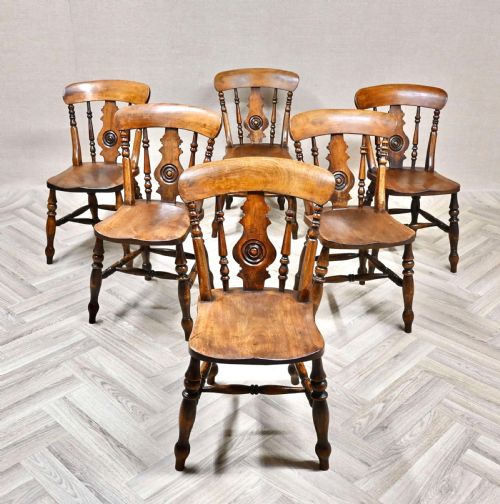
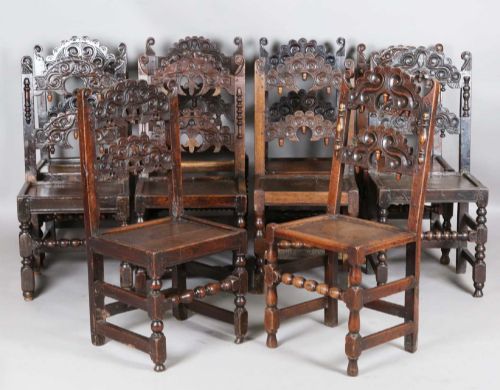
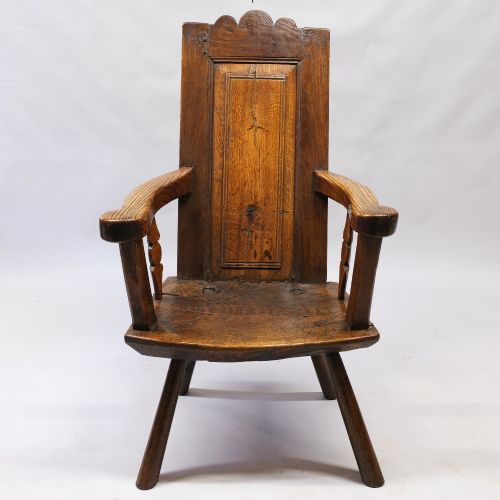
Rustic carved oak chairs encompass heavy seating pieces rooted in regional traditions, spanning from seventeenth-century wainscot designs to nineteenth-century kitchen and farmhouse variants. When searching this phrase, buyers encounter vernacular seating designed for domestic endurance rather than courtly display, utilising solid timbers and traditional joinery.
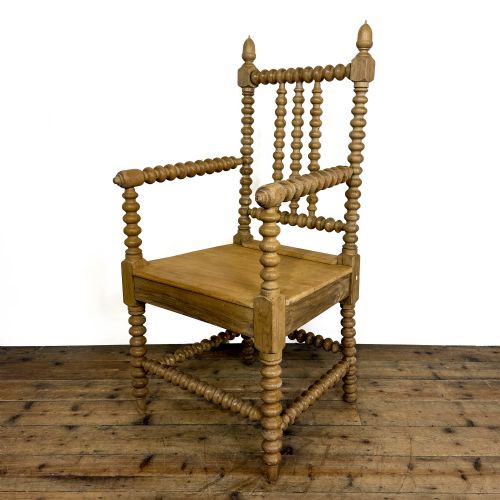
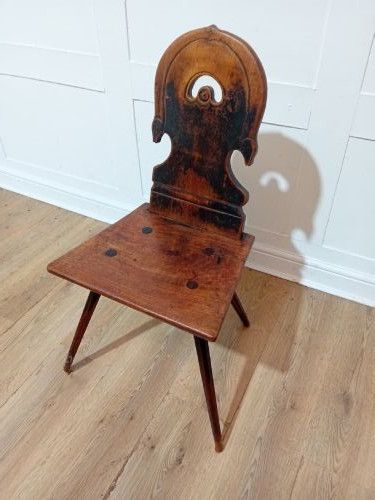
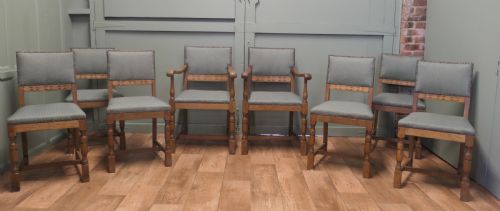
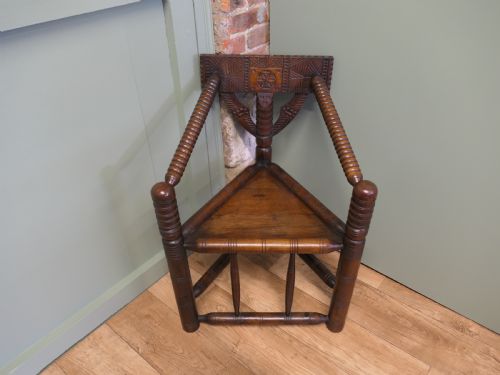
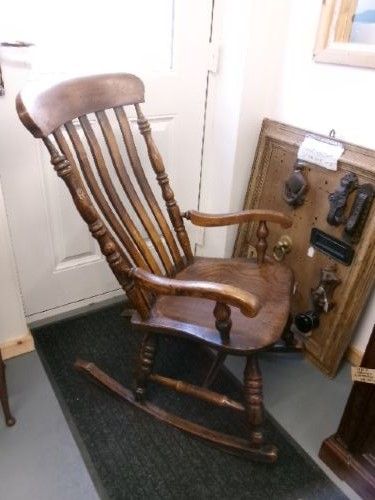
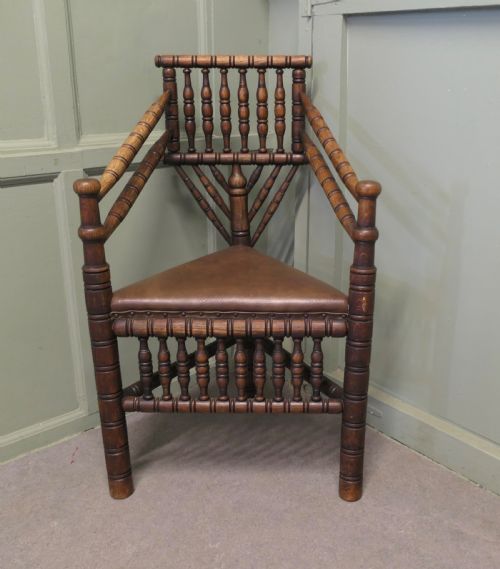
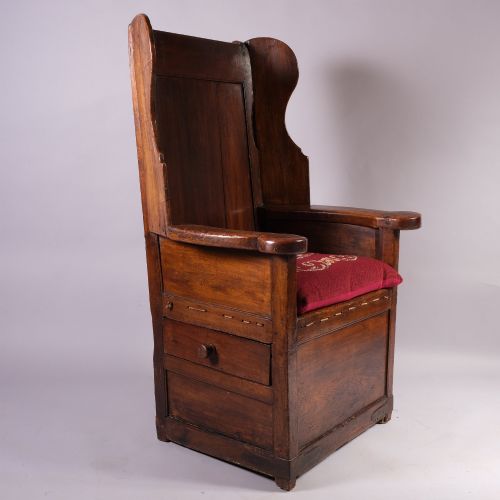
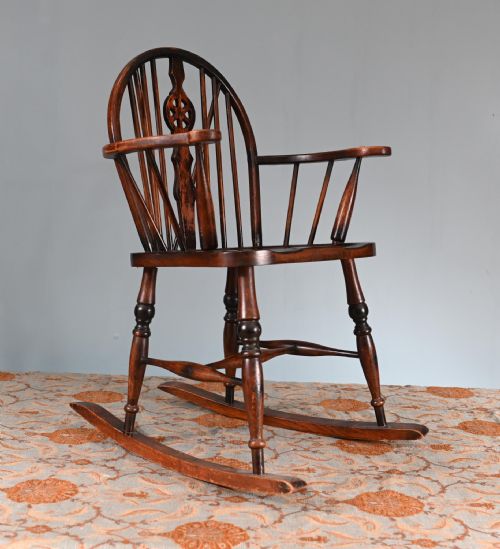
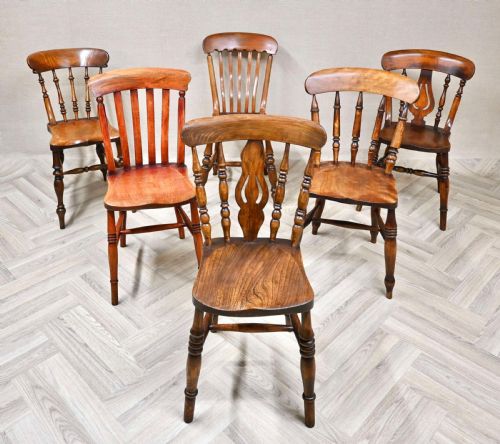
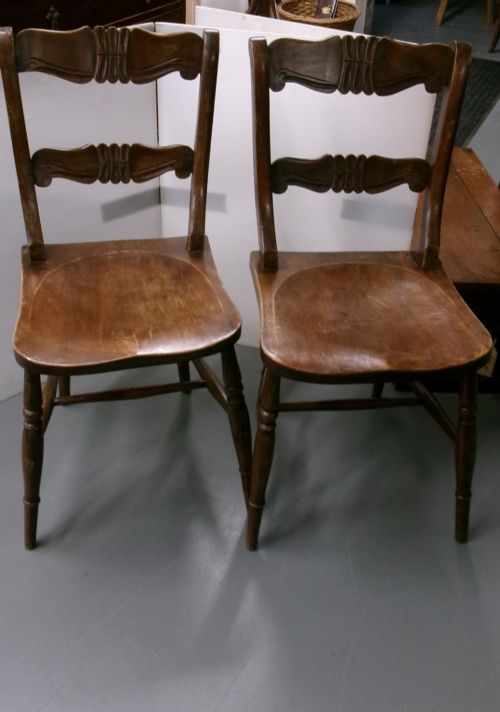
The selections on this page lean heavily towards nineteenth-century iterations alongside notable eighteenth-century panel-backed and bobbin-turned examples. Regional types such as Welsh armchairs, Yorkshire rockers, and Lancashire ladderbacks dominate the forms, offering sturdy upright seating and low-slung elbow chairs.
Materials and construction methods
Makers relied primarily on native oak, supplemented by elm, beech, and ash for structural members and turned components. Timber selection dictated the strength of spindles, legs, and crest rails, ensuring the frames could withstand daily domestic labour.
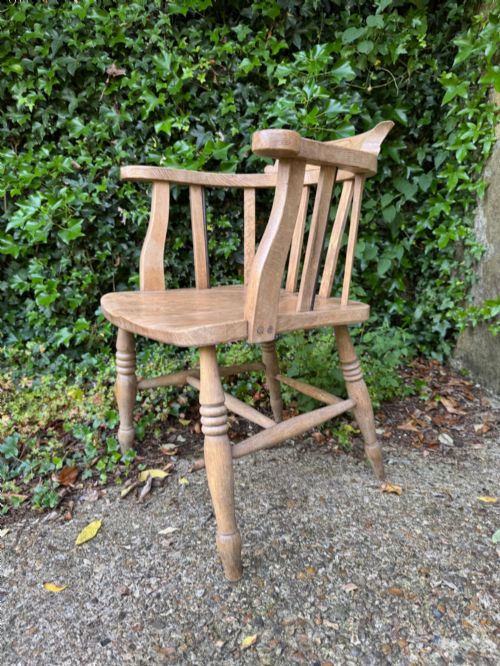
Joinery depended on mortise and tenon joints secured with wooden pegs, supplemented by steam-bending for curved elements like Windsor hoops and comb backs. Seats were frequently carved from solid timber blocks or woven from natural rush, cane, and split cane.
Rustic Carved Oak Chairs Retail Price Guide 2026
Typical asking prices for rustic carved oak chairs among the pieces listed under this phrase on Sellingantiques today, from the lower quarter to the upper quarter. They describe what is for sale here now, not the wider market.
Some nineteenth-century Windsor rockers still bear the smooth groove where generations of grandparents leaned back to tend the hearth fire.
Assessing quality in vernacular seating
The distinction between ordinary utility seating and superior examples lies in the depth and crispness of the carving, the integrity of the original timber surface, and the retention of early joinery. Pieces retaining honest patination and minimal structural replacement hold greater historical interest.
Proportion and structural balance separate simpler provincial work from master regional output, where turned spindles and crest rails display deliberate artistic intent. The preservation of original rush or solid wood seats without excessive timber shrinkage also marks the upper tier of surviving examples.
The Rustic Carved Oak Chairs Glossary
- Wainscot chair
- An early heavy wooden armchair constructed with panelled backs and solid armrests, typically dating from the seventeenth century or earlier. These represent the more formal domestic seating of wealthier yeoman households before lighter vernacular chairs became common.
- Bobbin turning
- A type of lathe-turned furniture leg or stretcher resembling a string of wooden bobbins or spools end-to-end. This decorative turning technique was especially popular during the seventeenth and nineteenth-century revival periods.
- Windsor chair
- A traditional chair built with a solid wooden seat into which the legs and back spindles are separately bored and wedged. Regional variations often include comb backs, wheel backs, and bow backs.
- Rush seat
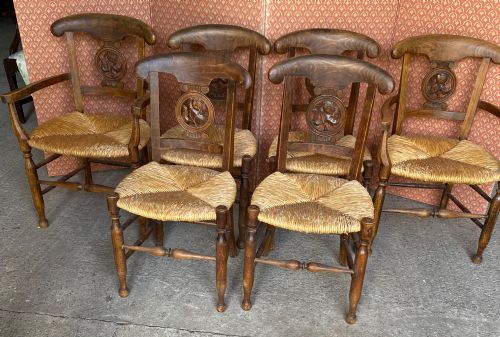
- A woven seating surface made from dried marsh rushes twisted into cords and wrapped tightly around the seat frame. It provides a resilient and comfortable base used widely in vernacular country chairs.
- Ladderback
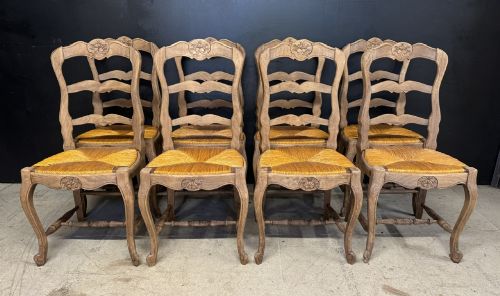
- A chair style featuring horizontal slats or bars between the rear upright posts, creating a ladder effect. These chairs frequently use woven rush or split cane inserts for the sitting area.
Rustic Carved Oak Chairs: Frequently Asked Questions
How do I date a rustic oak chair?
Dating relies heavily on construction methods, tool marks, and wood shrinkage patterns visible on the underside and joints. Early pieces often feature hand-split timbers and pegged mortise and tenon joints rather than machine-cut screws.
Style evolutions also provide clear markers, as seventeenth-century wainscot forms differ vastly from nineteenth-century kitchen Windsors. Comparing turning profiles and hardware helps narrow down the century of manufacture.
Can I use these antique chairs daily?
Solid oak vernacular chairs were built for generations of hard domestic use and remain exceptionally sturdy for modern dining or desk seating. Their robust joinery handles everyday weight comfortably when placed on level floors.
Care should be taken with rush or cane seats, which benefit from occasional humidity control and gentle cleaning. Regular checks of the leg stretchers ensure the frames stay tight over years of use.
What is a Lancashire ladderback?
A Lancashire ladderback is a regional chair type featuring multiple horizontal arched slats between tall rear posts. These chairs were traditionally produced in the north of England for farmhouse dining rooms.
They usually incorporate rush seats and sturdy turned front stretchers for footrests. Their clean geometric lines make them versatile pieces for both traditional and contemporary interiors.
How should I clean antique oak furniture?
Maintenance requires only a soft cloth and occasional application of traditional beeswax to nourish the dry timber surface. Avoid modern silicone sprays or harsh chemical detergents that strip the historic patination accumulated over centuries.
Keeping wooden chairs away from direct heat sources and drastic humidity changes prevents the oak from splitting. Gentle dusting preserves the natural finish and protects the underlying grain.