

Rustic Carved Chair
A rustic carved chair brings tactile warmth and regional character into a room through honest timber and hand-shaped detail.
Rustic Carved Chair
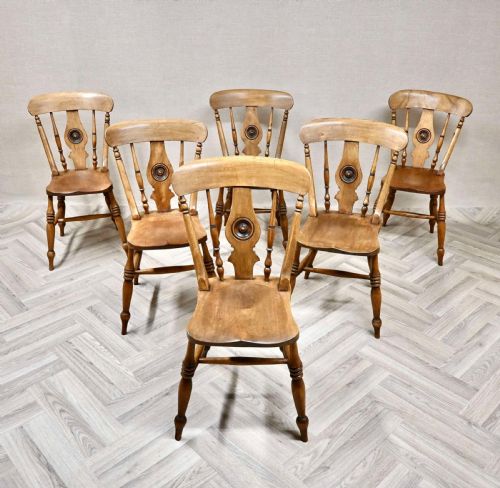
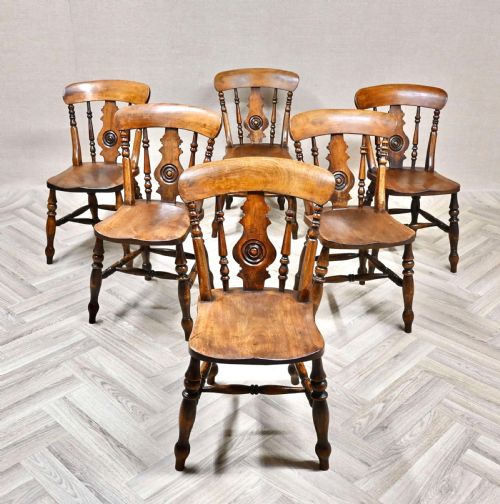
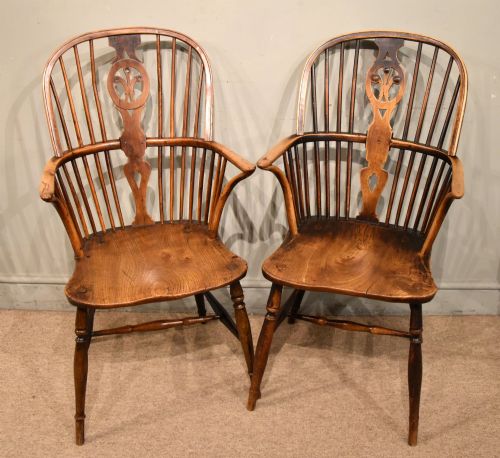
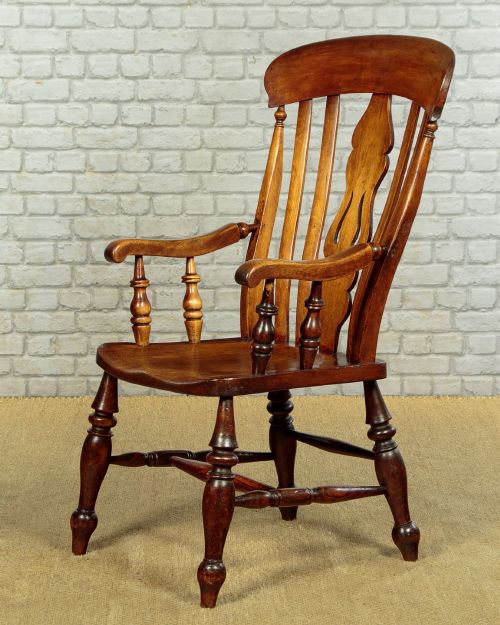
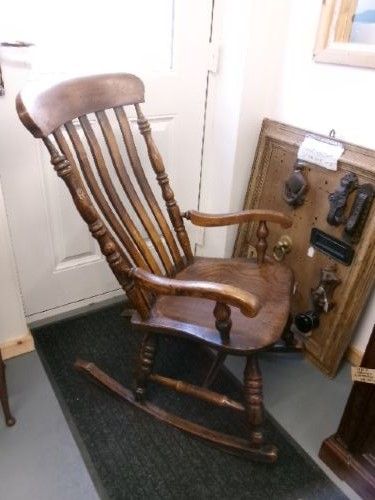
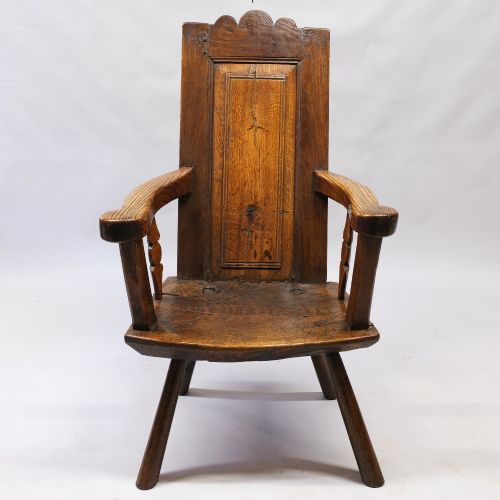
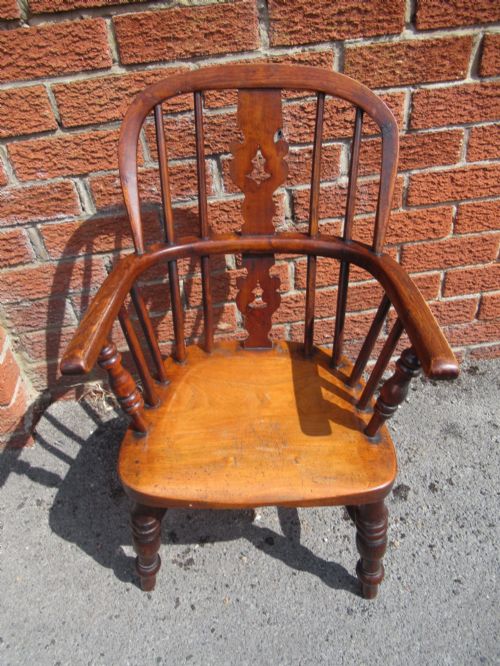
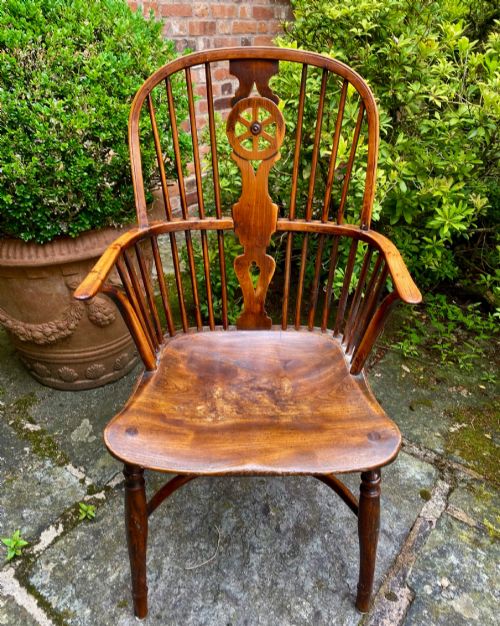
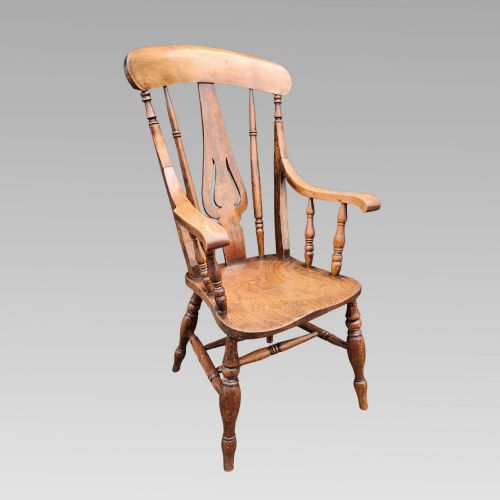
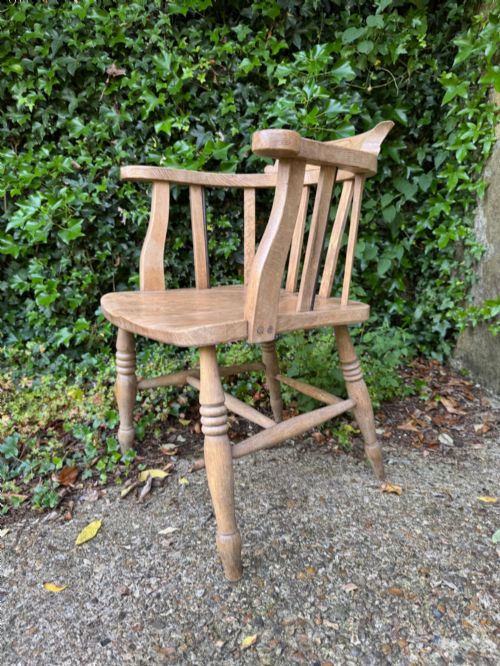
A rustic carved chair encompasses robust country seating from various periods, including the eighteenth and nineteenth centuries, designed for everyday utility in farmhouses, cottages, and provincial homes. You will frequently encounter regional Windsor armchairs, side chairs, and kitchen seating made by local vernacular makers rather than large urban workshops.
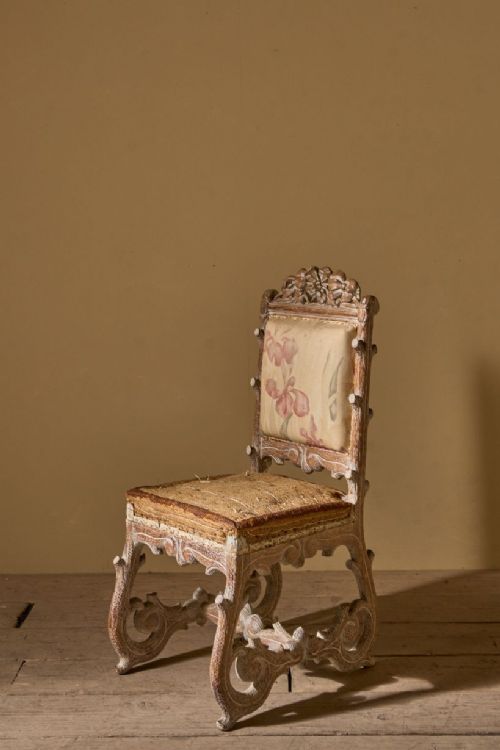
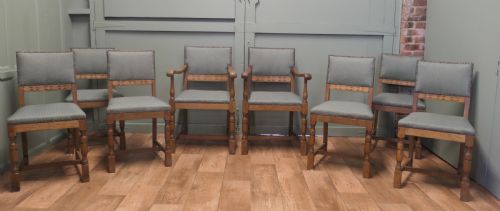
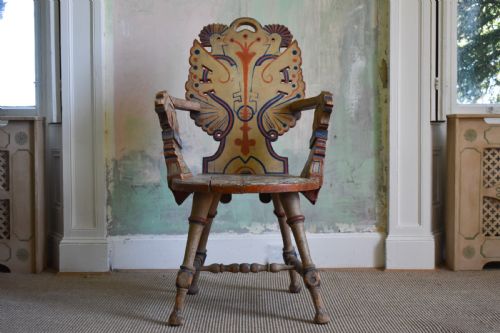
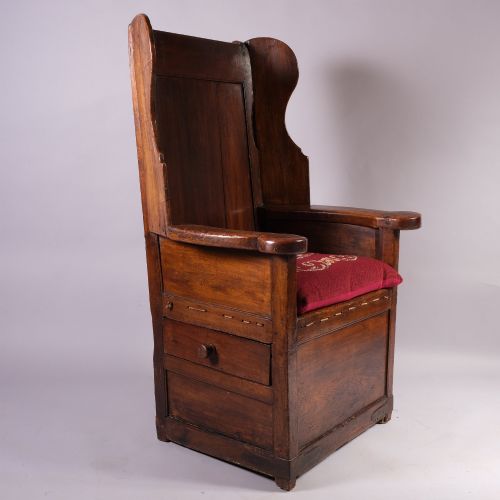
The selection spans English country seating, Scandinavian folk art, French provincial designs, and Arts and Crafts examples, demonstrating a wide geographical reach of domestic craftsmanship. Forms range from simple spindle and lyre backs to high-backed armchairs, panel-backed Windsors, and lambing chairs intended for warmth near the hearth.
These pieces connect modern interiors to traditional rural life, offering sturdy construction and distinct regional identities shaped by local timber availability. Whether you examine a Welsh elm armchair or a Swedish dug-out seat, each object reflects the practical needs and aesthetic choices of historical country communities.
Materials and construction methods
Makers utilised native hardwoods such as oak, elm, beech, ash, fruitwood, yew, and laburnum, selecting each timber for its specific structural properties and grain. Elm frequently provided strong, split-resistant seats for Windsor chairs, while oak and ash supplied rigid frames and turned spindles.
Construction relied on traditional joinery methods, incorporating bobbin turnings, pegged joints, spindle assemblies, and occasional painted finishes or rush seating. Turners and carpenters shaped these domestic woods using lathes, drawknives, and chisels, resulting in durable seating built to endure decades of hard use.
Some nineteenth-century makers let their imaginations run wild, crafting garden seats that look like living tree trunks.
Judging quality in country seating
Quality rests in the harmony of the proportions, the integrity of the timber selection, and the confidence of the hand-carved or turned details. A superior example displays balanced symmetry in its spindles and legs alongside tight, honest joints that have survived centuries of daily sitting.
The distinctiveness of the wood grain and the patination accumulated through years of gentle friction separate standard utility seating from exceptional vernacular art. Subtle variations in turning work and the thoughtful integration of contrasting timbers reveal the maker's individual skill.
The Rustic Carved Chair Glossary
- Windsor chair
- A traditional wooden chair featuring a solid saddle-shaped seat into which the legs and back spindles are separately raked and wedged. This design provides robust support while distributing weight evenly across the wooden base.
- Turners chair
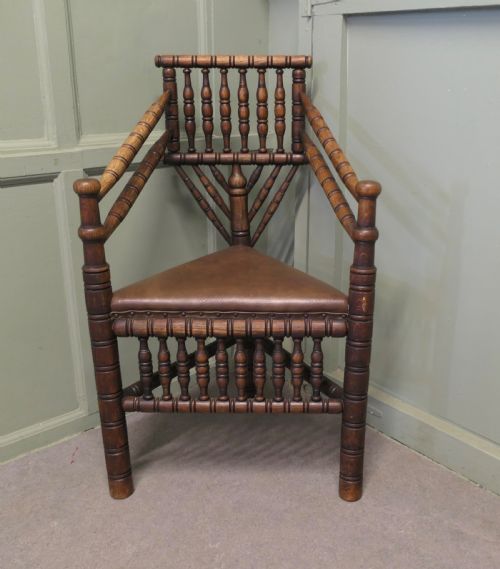
- A heavy armchair constructed primarily from turned wooden spindles and rails, often echoing older vernacular seating styles from the seventeenth century and earlier. These pieces rely entirely on cylindrical turned components rather than flat boards.
- Lambing chair
- A high-sided or hooded armchair historically designed to shield the sitter from cold draughts near an open hearth. They frequently incorporate enclosed lower sides and solid wooden panels.
- Faux bois
- A decorative technique mimicking natural wood grain or tree bark, often applied to garden seats and nineteenth-century fantasy furniture. It translates organic textures into durable structural materials.
- Spindle and lyre back
- A chair back featuring slender turned uprights combined with a pierced central splat shaped like a musical lyre. This decorative motif appears frequently in nineteenth-century farmhouse seating.
Rustic Carved Chair: Frequently Asked Questions
How do I identify a Windsor chair?
A Windsor chair is easily distinguished by its solid wooden seat into which the legs and back pieces are bored directly, rather than attached via a conventional frame. This method creates a sturdy, unified structure with distinct vertical spindles forming the backrest.
Look closely at the underside of the seat to see the wedged tenons where the legs pass right through the timber, which is a hallmark of traditional construction.
What woods were used for these chairs?
Makers relied on locally available native hardwoods such as oak, elm, ash, beech, fruitwood, and yew to build these sturdy domestic seats. Each timber served a specific structural purpose, such as tough elm for carved solid seats and flexible ash or yew for steam-bent bows.
The choice of wood usually reflects the regional landscape surrounding the workshop where the chair was originally fashioned.
Are these chairs comfortable for daily use?
Country chairs were designed for practical domestic tasks, so their ergonomics prioritize sturdy support and upright posture over deep, soft cushioning. Many feature sculpted wooden saddle seats shaped over generations to fit the human form comfortably.
Adding a simple loose cushion can easily adapt these historic seats for contemporary relaxation in a living room or study.
How should I care for antique wooden chairs?
Maintain antique wooden seating by keeping them away from direct heat sources and sudden humidity changes that can dry out or crack the old timber. Regular dusting with a soft, dry cloth and occasional application of appropriate beeswax helps preserve the natural patina.
Avoid commercial polishes containing silicone, which can build up on the surface and damage the historic finish over time.