




Rustic Book Shelf
A rustic book shelf brings open storage and honest construction into a room, offering sturdy shelves built for daily use.
Rustic Book Shelf
The selection ranges from early examples dating to the eighteenth century through nineteenth-century painted display shelves and pieces from the Arts and Crafts period. Makers designed these utilitarian items for practical storage in homes, studies, and country settings.
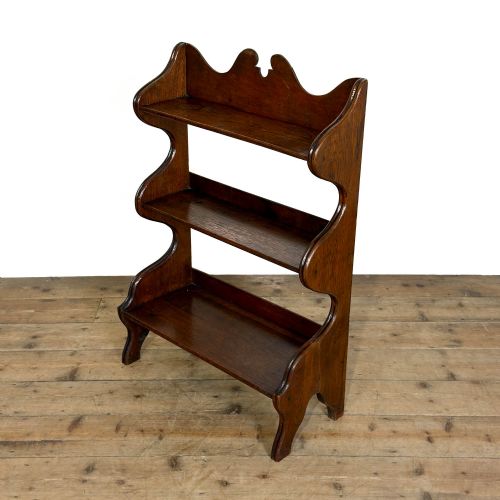
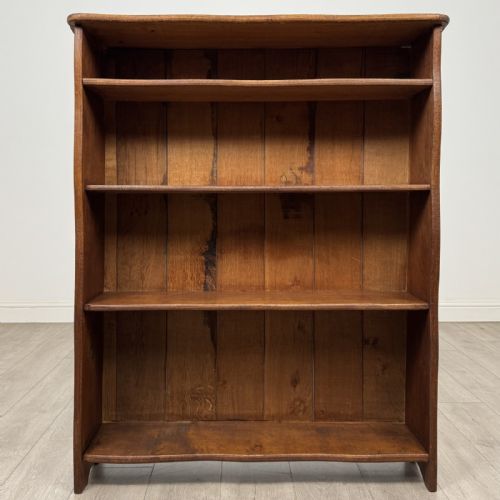
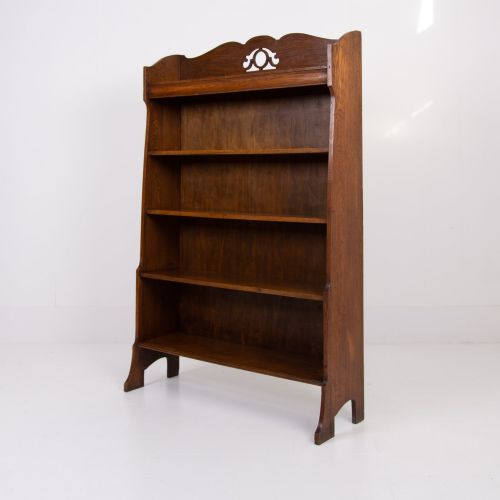
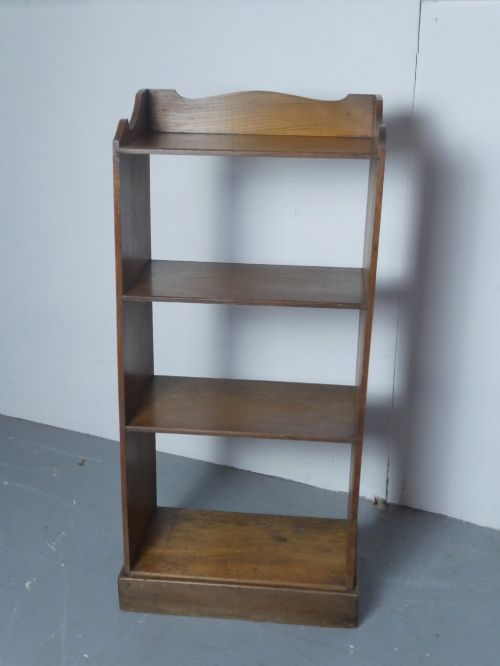
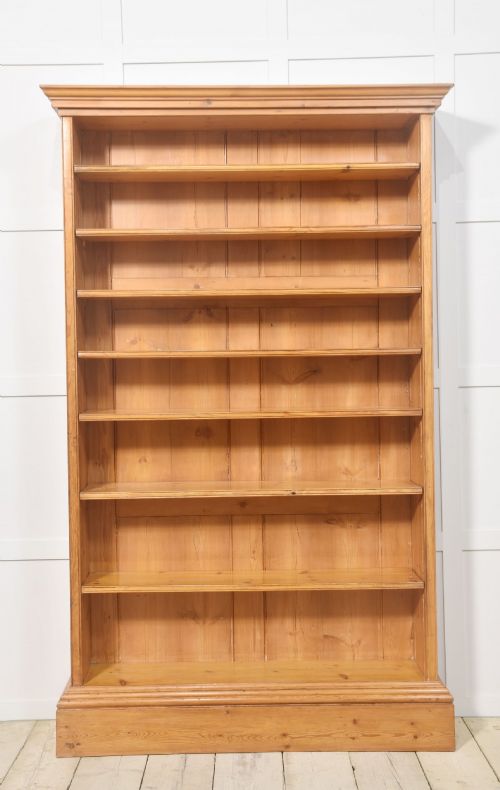
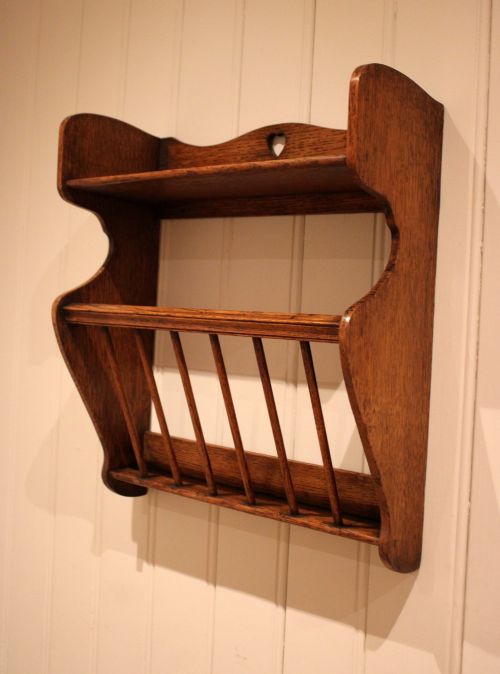
Formats include small standing open bookcases, wall-mounted racks with integrated magazine holders, and lower shelf units. Each piece provides straightforward shelving designed to hold books and decorative objects.
How they were made
Cabinet makers built these items using solid hardwoods and softwoods such as oak, pine, deal, and walnut, often leaving the natural grain visible or applying a painted finish. Construction relies on straightforward joinery suited to everyday domestic use.
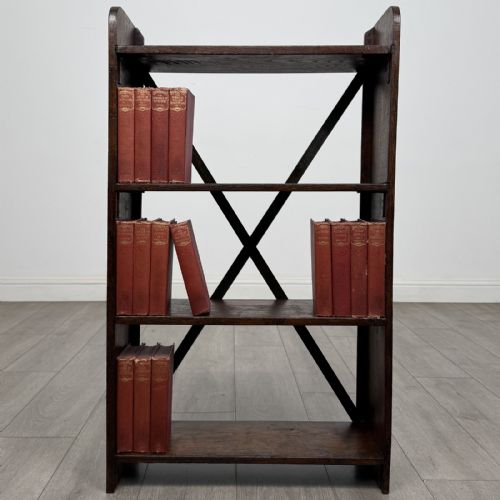
Metal components appear in functional additions like iron cross backs that stabilise open frames. Wall shelves and standing bookcases receive simple shaping to the sides, balancing utility with modest decorative detail.
Rustic Book Shelf Retail Price Guide 2026
Typical asking prices for rustic book shelf among the pieces listed under this phrase on Sellingantiques today, from the lower quarter to the upper quarter. They describe what is for sale here now, not the wider market.
Listings feature oak, pine, and deal timbers across periods from the eighteenth century through the Arts and Crafts movement.
What varies in quality
Quality rests in the selection of timber and the proportion of the frame, where thicker boards and thoughtful edge shaping distinguish better workshops from basic utility furniture. The integrity of the joints and the crispness of the timber grain determine the visual weight of the piece.
Hardware and structural bracing also set examples apart, with hand-forged iron supports or integrated magazine racks adding both utility and architectural interest to simpler designs.
The Rustic Book Shelf Glossary
- Open bookcase
- A piece of furniture consisting of horizontal shelves supported by vertical sides, lacking doors to enclose the interior. This form allows direct access to the volumes stored within.
- Arts and Crafts
- A design movement prioritising traditional craftsmanship, visible construction, and simple forms. Pieces from this style often feature plain oak and honest joinery.
- Deal
- A softwood timber cut from pine or fir trees, commonly used in utilitarian furniture and shelving throughout the nineteenth and early twentieth centuries. It provides a lightweight yet serviceable carcase.
- Cross back
- Structural metal bracing arranged in an X shape across the back of an open shelf unit. This detail provides lateral stability while exposing the metalwork as a decorative feature.
Rustic Book Shelf: Frequently Asked Questions
What is a rustic book shelf?
A rustic book shelf is an open piece of wooden furniture designed to hold books and display items without enclosing them behind doors. These items prioritise simple utility and honest materials over ornate decoration.
Examples on this page span wall-mounted racks and standing oak or pine bookcases dating from the eighteenth century to the early twentieth century.
How do I place a rustic book shelf in a room?
Position an open bookcase against a sturdy wall where its depth and height balance the proportions of the space. Standing models work well in studies or living areas for accessible book storage.
Wall-mounted versions require secure fixings into solid masonry or studs to support the weight of books and decorative objects safely.
What materials are used in these shelves?
These pieces utilise traditional timbers such as oak, pine, deal, and walnut, alongside painted wooden finishes. Iron hardware frequently appears as structural cross bracing or shelf supports.
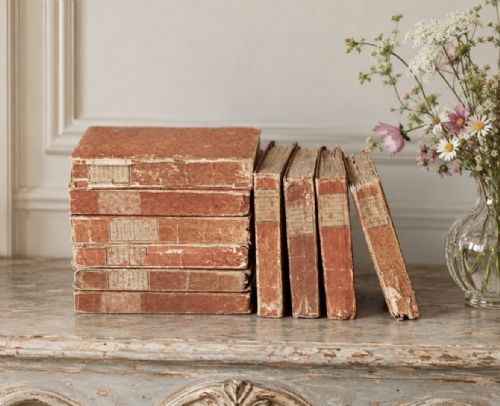
Some related items incorporate paper, cardboard, and ink in the form of antique decorative books that complement the shelving.
How do I identify the period of a bookcase?
Dating relies on observing timber selection, construction methods, and stylistic cues such as shaped sides or exposed joints. Pieces from the Arts and Crafts era often display plain oak and robust, simple joinery.
Earlier examples from the eighteenth and nineteenth centuries show hand-worked surfaces and vernacular timber choices like deal and pine.