



Rural Lane Painting
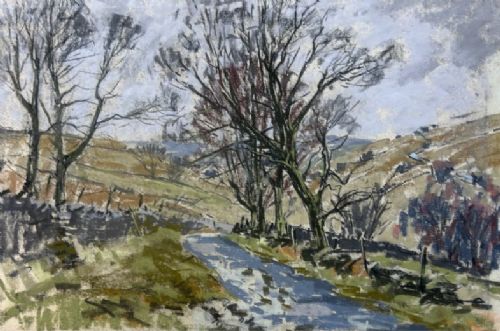
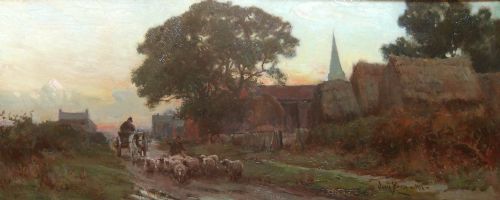
A rural lane painting captures the quiet charm of the British countryside through historical scenes of shepherds, sheep, and country tracks.
Rural Lane Painting
A rural lane painting brings historical British countryside scenes directly to the wall, depicting sheep, shepherds, caravans, and village roads. These artworks capture the tranquil atmosphere of rural life across different decades.
Buyers will most frequently encounter works executed during the nineteenth and early twentieth centuries. These pieces reflect prevailing artistic movements such as Victorian realism and British impressionism.
Common artistic forms on this page include framed watercolours, pastels, and traditional oil paintings on canvas. Each format preserves a distinct historical perspective on pastoral landscapes.
Materials and methods
Artists relied primarily on oil paint or watercolour applied to canvas, paper, or wooden supports to build their compositions. These traditional mediums allowed for varied textures, from the fluid washes of watercolours to the rich impasto of oils.
Works on paper were typically protected beneath glass within traditional wooden frames to preserve the delicate pastel or watercolour pigments. Canvas works utilised stretched fabric secured to wooden stretcher bars, capturing the light and atmosphere of the open lane.
Rural Lane Painting Retail Price Guide 2026
Typical asking prices for rural lane painting among the pieces listed under this phrase on Sellingantiques today, from the lower quarter to the upper quarter. They describe what is for sale here now, not the wider market.
The listings span from the nineteenth century through the mid twentieth century, featuring oils, watercolours, and pastels.
Assessing quality
Quality rests upon the artist's ability to render light, atmosphere, and natural movement within the confined setting of a country lane. Skilled draughtsmanship in depicting human figures and livestock distinguishes finer works from simpler topographical views.
The choice of medium and the preservation of the original support significantly influence the character of the piece. Stronger compositions demonstrate confident brushwork or delicate control of watercolour washes that convey genuine pastoral depth.
Angus Rands·Owen Bowen·Edgar Woollatt·Henry Charles Fox·George Turner·William Luker Snr·William Greaves·George Jackson
The Rural Lane Painting Glossary
- Watercolour painting
- A method where water-soluble pigments are applied to paper to create translucent layers of colour. This technique is frequently observed in nineteenth and early twentieth-century pastoral scenes.
- Oil on canvas
- Pigments bound in a drying oil applied to a woven fabric stretched across a wooden frame. This durable medium permits rich colour blending and textured brushwork.
- Pastel drawing
- An artwork created using powdered pigment sticks pressed into a paste form. It offers a soft, velvety texture well suited to atmospheric landscape sketches.
- British Impressionism
- An artistic movement focusing on light and everyday subjects captured with loose brushstrokes. It emerged strongly in British art during the late nineteenth and early twentieth centuries.
- Victorian Realism
- A style dedicated to depicting subjects truthfully and without idealisation. It frequently portrays traditional rural life, farm workers, and local topography accurately.
Rural Lane Painting: Frequently Asked Questions
What subjects appear in rural lane paintings?
These artworks typically show sheep flocks, shepherds, horse riders, and travellers journeying along country tracks. Scenes often incorporate historical elements such as gypsy caravans or rural cottages.
Such subjects reflect the agrarian focus of nineteenth and early twentieth-century British artists documenting changing rural landscapes.
Which materials were commonly used by artists?
Artists utilised oil paint on canvas or wooden boards to build rich, textured compositions of country lanes. Watercolours and pastels on paper were also widespread for capturing softer, atmospheric daylight effects.
Protective glass frequently covers paper works to preserve the delicate pigments from atmospheric moisture and dust.
How can I date a rural lane painting?
Dating relies on recorded artist lifespans, stylistic indicators like impressionistic brushwork, and traditional framing methods. Signatures, inscriptions on the reverse, and historical clothing styles of figures within the scene provide further clues.
Nineteenth-century works often lean toward detailed realism, whereas early twentieth-century pieces experiment more with light and atmosphere.
Where should I hang these paintings?
These landscape artworks suit living rooms, studies, or hallways where traditional pastoral subjects complement classic interior decor. They benefit from stable wall locations away from direct, harsh sunlight to protect oil and watercolour pigments.
Pairing the framed artwork with adequate wall lighting highlights the subtle brushwork and colour tones of the period.