

Rural Countryside Landscape
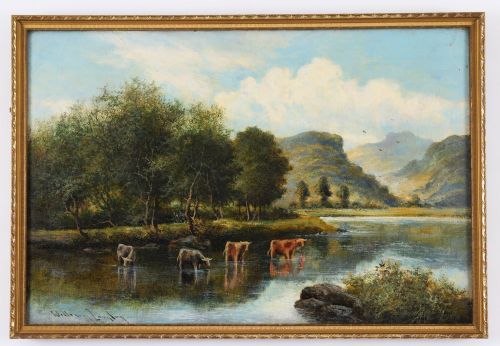
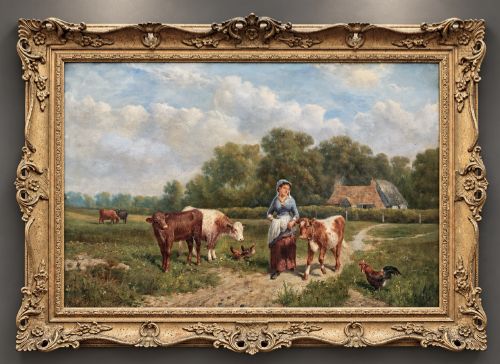
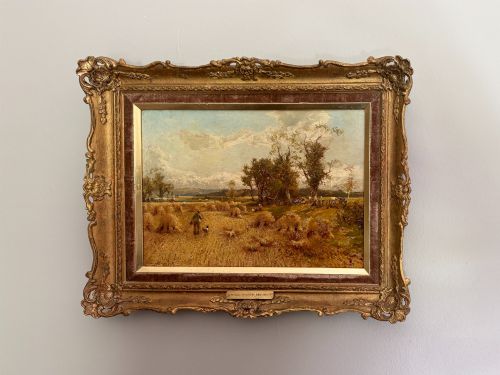
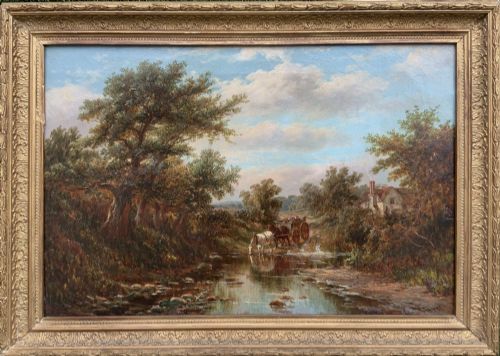
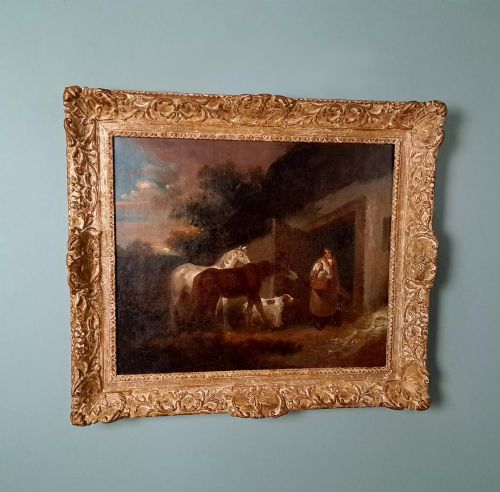
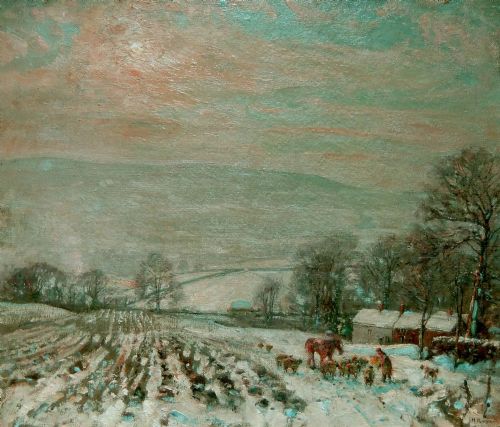
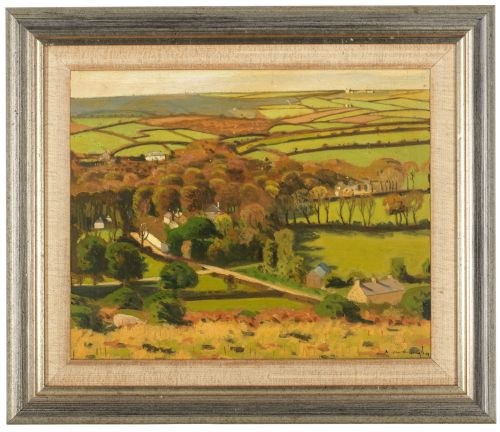
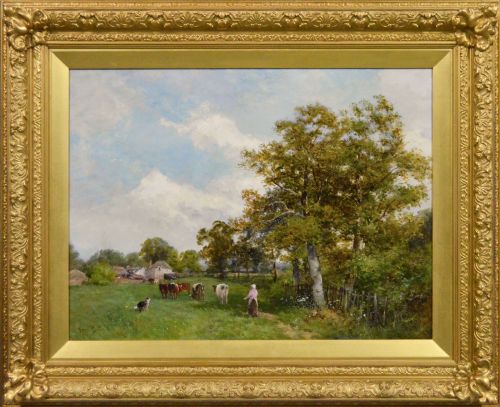
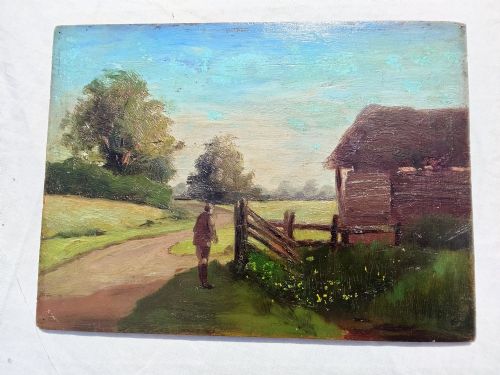
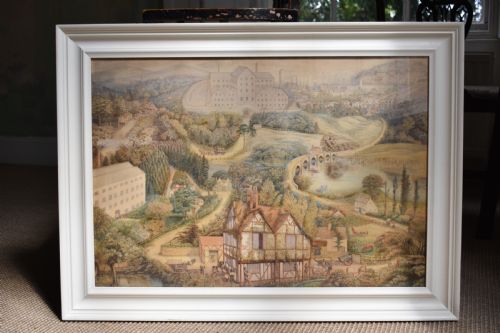
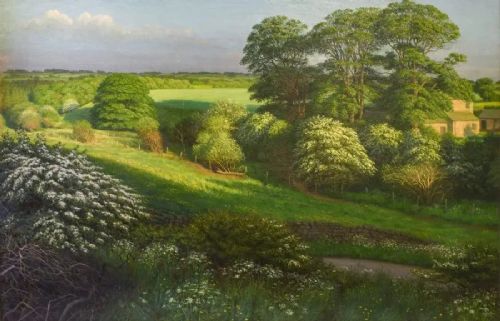
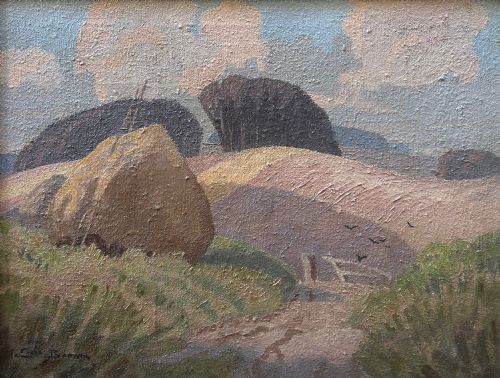
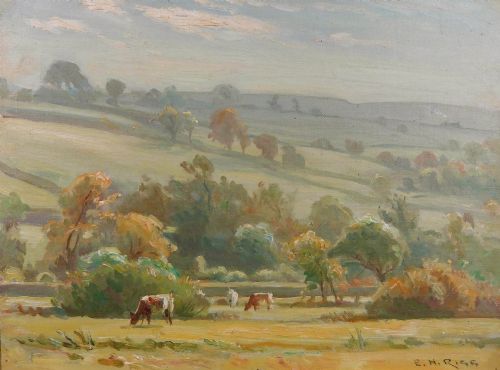
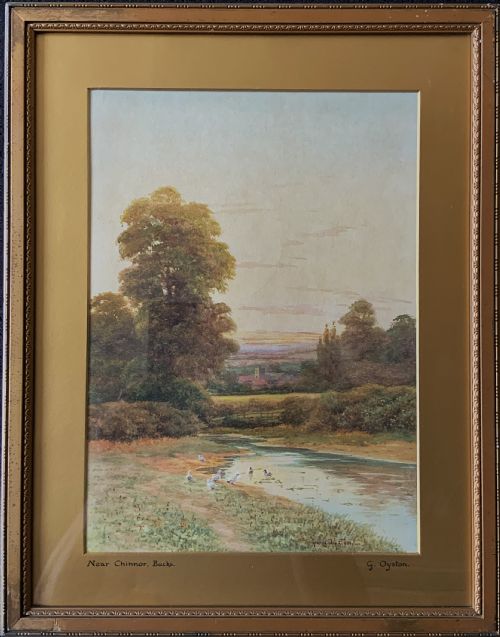
Rural countryside landscape paintings capture the quiet beauty of agricultural fields, riverbanks and country cottages through the eyes of traditional British and European artists.
Rural Countryside Landscape
A rural countryside landscape brings scenes of farmland, coastal villages and country lanes directly onto the wall, reflecting the changing moods of the British countryside. Buyers search for these pieces to invite a sense of pastoral calm and historical connection into their living spaces.
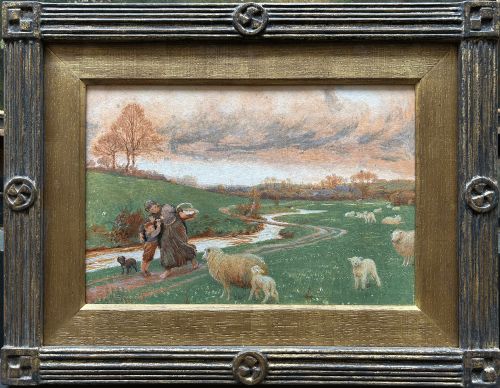
The selections available span from nineteenth-century pastoral oils to twentieth-century watercolours, capturing scenes of haymaking, sheep grazing and river valleys. These works frequently depict specific regional locations, ranging from Yorkshire dales and Cornish coastlines to local Oxfordshire villages.
Most pieces encountered on this page belong to the nineteenth and early twentieth centuries, produced during periods when artists turned away from grand historical themes in favour of local pastoral realism. Works range from modest watercolour studies to large framed oil paintings on canvas and wooden board.
Materials and execution
Artists painted primarily with oil paint on canvas or wooden board, or applied watercolour pigments onto paper, capturing the natural light of fields and rivers. Canvas supports allowed for rich, layered brushwork, whilst paper lent itself to delicate watercolour washes depicting atmospheric skies and water.
Canvases were often stretched across wooden frames and secured within original gilt or wooden frames that complement the pastoral subject matter. Boards provided a firm, stable ground for smaller en plein air studies painted directly outdoors in the countryside.
Several canvases faithfully record the humble bottoms of heavy shire horses trudging through muddy furrows.
Evaluating the work
Quality rests in the artist's handling of light, atmosphere and perspective, where confident brushstrokes bring movement to foliage, water and skies. Superior paintings capture a convincing sense of place and weather, whereas lesser examples rely on formulaic compositions and rigid lines.
The skill in rendering figures and animals within the landscape also distinguishes finer works, as seen in the natural integration of farmworkers, horses or sheep into the rural setting. Preservation of the original paint surface and framing further elevates the standing of a piece.
William Joseph Shayer Senior·David Bates·George Oyston·Ernest Higgins Rigg·Owen Bowen·Herbert Royle·Fred Lawson·William Sydney Cooper
The Rural Countryside Landscape Glossary
- Oil on Canvas
- A painting technique using pigments bound in a drying oil applied to a stretched fabric surface. This method allows for deep colour saturation and visible texture.
- Watercolour
- A paint medium where colour pigments are suspended in a water-soluble vehicle, typically applied to paper. It creates luminous, transparent washes of tone.
- British Impressionism
- An art movement influenced by French techniques that focused on natural light and everyday rural subjects. Practitioners painted outdoors to capture transient atmospheric effects.
- English School
- A collective term for artists working in England across various centuries who shared stylistic traits. This grouping encompasses traditional landscape and portrait painters.
- En Plein Air
- The act of painting outdoors to directly observe the landscape's changing light and weather. Painters used portable supplies to capture rural scenes on location.
Rural Countryside Landscape: Frequently Asked Questions
What subjects do these rural paintings usually show?
These works typically depict agricultural scenes, riverbanks, harvested fields, and pastoral valleys featuring farm animals, cottages, and country lanes. Artists focused on the daily rhythms of rural life, capturing haymaking, sheep grazing, and horse-drawn ploughing.
Many pieces record specific regional views across British counties like Yorkshire, Kent, and Cornwall. The inclusion of figures such as farmworkers or gypsies adds narrative interest to the landscape.
How should I care for an antique oil painting?
Antique oil paintings require stable indoor humidity and temperature to prevent the canvas or wooden board from warping and the paint layer from cracking. Keep them away from direct sunlight and heat sources to preserve the original pigments.
Dust the surface gently with a soft, dry brush, and avoid using liquid cleaners or water on the paint or canvas. Professional conservators should handle any deeper cleaning or repair work.
Are watercolours harder to look after than oils?
Watercolour paintings on paper are more sensitive to light than oil paintings and can fade if exposed to direct sunshine for long periods. They need protective framing behind glass with acid-free mounts to safeguard the paper.
Display watercolours on interior walls away from bright windows and damp areas like kitchens or bathrooms. This ensures the delicate pigments and paper support remain stable over time.
How can I tell a nineteenth-century painting from a twentieth-century one?
Nineteenth-century rural landscapes often feature darker, richer earth tones and academic composition rules that reflect traditional pastoral styles. Brushwork tends to be smooth and blended, focusing on narrative detail within the countryside scene.
Twentieth-century pieces frequently show brighter palettes and looser brush techniques influenced by impressionism and modern British movements. The canvas materials, stretcher construction, and framing styles also provide clues to the period of creation.