

Rural Art
Rural art comprises period paintings and watercolours depicting country life, farms, and landscapes, which collectors acquire to bring historic pastoral scenes into interior spaces.
Rural Art
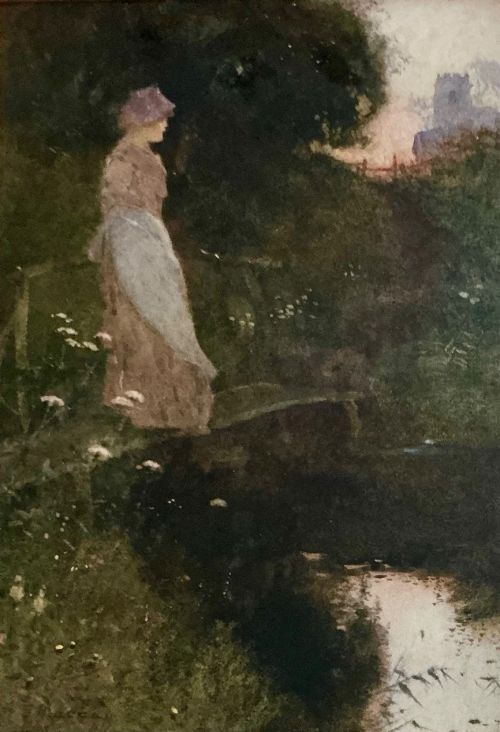
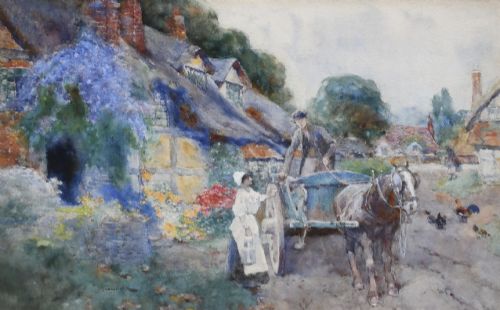
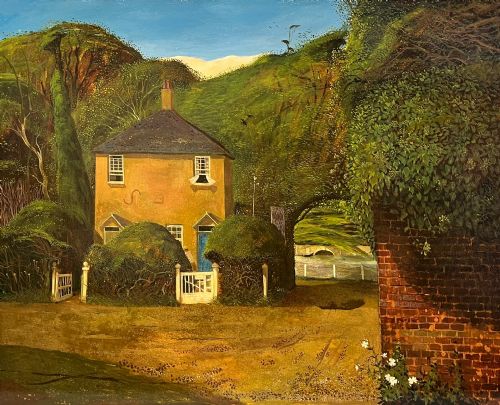
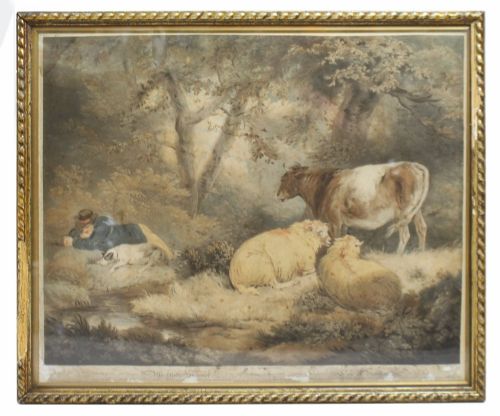
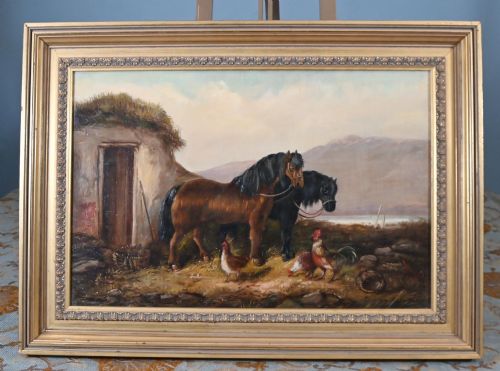
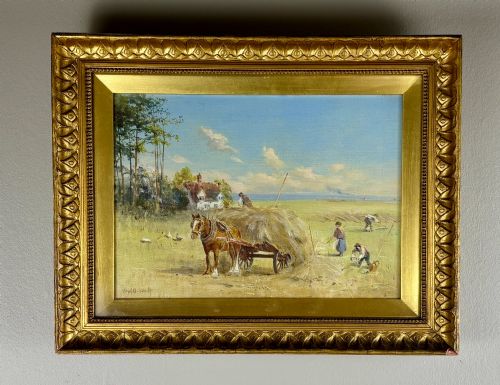
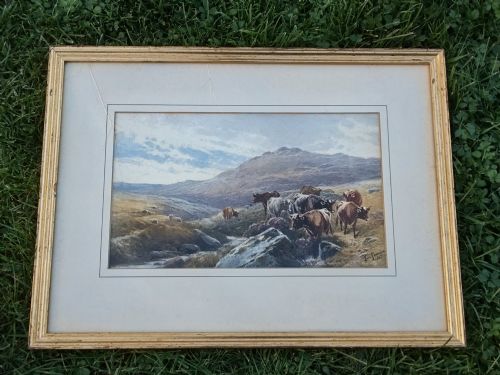
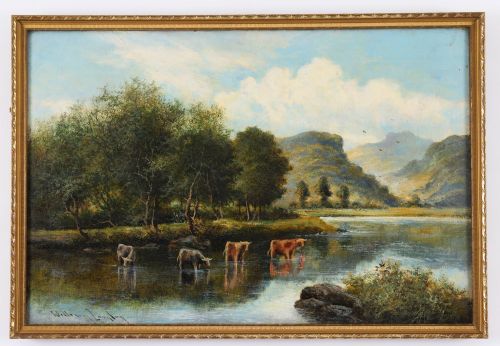
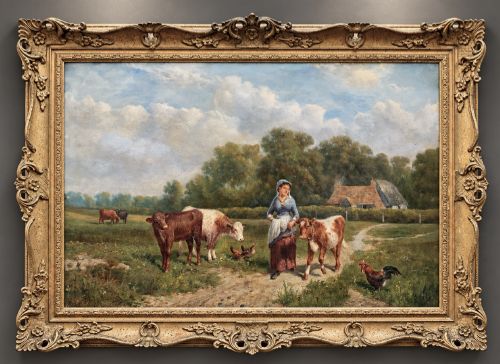
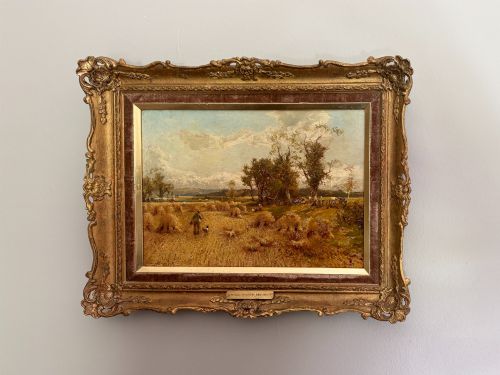
Rural art captures the quiet rhythms of the countryside through depictions of agricultural labour, farmyards, livestock, and country cottages. These works reflect a widespread Victorian and Edwardian fascination with agrarian life, often portraying haymaking, cattle herding, and rural cottages.
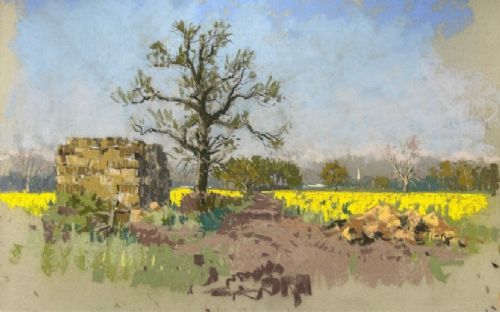
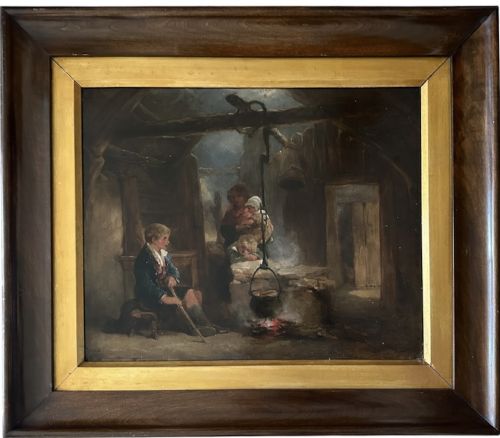
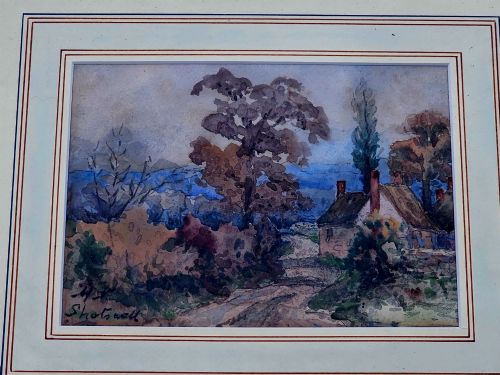
The pieces on this page span the nineteenth and early twentieth centuries, encompassing Victorian realists, British impressionists, and regional schools. Oil paintings on canvas, board, and wood panels sit alongside delicate watercolours on paper, framed in period gilt wood.
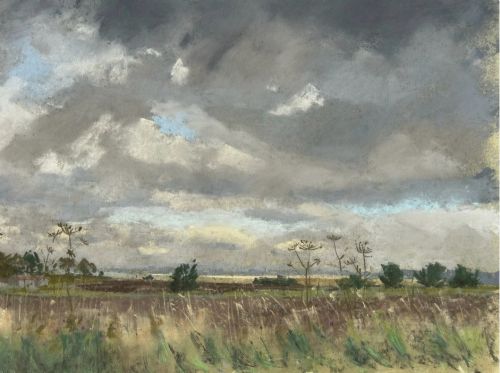
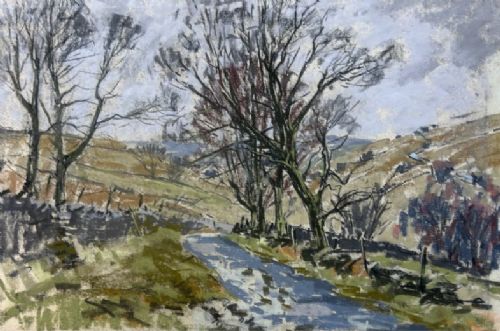
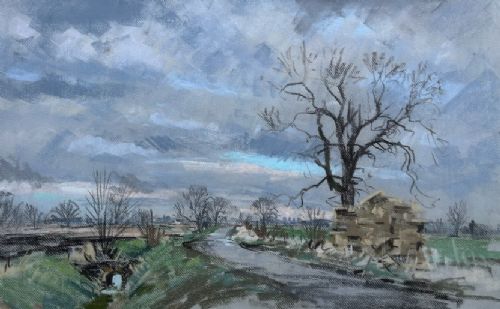
Subjects range from expansive pastoral landscapes with figures to intimate genre scenes of daily farm life. Whether executed in oil or watercolour, these artworks preserve historical views of rural topography and traditional countryside practices.
How They Were Made
Painters utilised oil paint on canvas, wooden panels, and card, building rich textures with brush and palette knife. Watercolours on paper offered artists a lighter medium for capturing swift atmospheric effects in open-air settings.
Canvases and wood panels required careful preparation with gesso grounds before pigment application. Framed works frequently relied on ornate gilt wood mouldings to complement the painted scenes.
Rural Art Retail Price Guide 2026
Typical asking prices for rural art among the pieces listed under this phrase on Sellingantiques today, from the lower quarter to the upper quarter. They describe what is for sale here now, not the wider market.
Listings feature oil paintings, watercolours, and etchings created across the nineteenth and early twentieth centuries.
What Varies in Quality
The distinction between standard works and exceptional pieces rests upon the artist's handling of light, atmosphere, and anatomical precision in figures and animals. Master painters rendered movement and weather conditions with convincing depth, whereas lesser works remained rigid and formulaic.
Condition and originality play a significant part in the standing of a piece, particularly the preservation of the original paint surface and the historical integrity of the frame. Works showing clear provenance and stronger stylistic ambition command greater attention from discerning buyers.
William Langley·Thomas Rowden·Samuel Joseph Clark·William Manners·George Whitton Johnstone·Percy Lancaster·William Joseph Shayer·John McDougal·Herbert Royle·Robert Morson Hughes·Mark William Langlois·David Bates·Robert John Hammond·Walter Heath Williams·George Augustus Holmes·George Oyston
The Rural Art Glossary
- Oil on Canvas
- Pigment mixed with drying oil applied to a stretched woven fabric support. This medium allowed artists to achieve rich colour saturation and varied surface textures.
- Watercolour
- A painting method in which coloured pigments are suspended in a water-soluble vehicle on paper. It was frequently used for rapid landscape studies and finished rural scenes.
- Wood Panel
- A rigid wooden support used by painters instead of canvas. Flemish style works on panel often display a fine, smooth surface detail.
- Genre Painting
- Artwork depicting scenes from ordinary life, particularly domestic interiors and farmyard activities. These compositions often feature figures engaged in daily agricultural tasks.
- Gilt Wood
- Timber frames coated with a thin layer of gold leaf or metallic paint. Period frames enhance the visual presentation of nineteenth-century canvases.
Rural Art: Frequently Asked Questions
What periods do these paintings come from?
The selection spans the nineteenth and early twentieth centuries, primarily covering the Victorian and Edwardian eras. Artists working during this timeframe documented changing agricultural landscapes and traditional rural communities.
Most pieces date from the eighteen-fifties through to the nineteen-thirties, reflecting diverse artistic movements including British impressionism and realism.
How were these watercolours and oils framed?
Many period works retain their original or contemporary wooden frames, frequently finished with gilt decoration. These surrounds were chosen to complement the tones and subjects of the pastoral scenes.
Examining the frame construction often helps determine the age and history of the artwork.
How do I care for antique oil paintings?
Oil paintings on canvas or wood require stable indoor environments away from direct sunlight and excessive humidity. Regular light dusting with a soft, dry brush maintains the surface without disturbing the paint.
Avoid using liquid cleaners or abrasive cloths on the delicate painted surface or the gilt wood frame.
What subjects are most common in rural art?
Common subjects include cattle herding, harvesting scenes, farmyard animals, and cottages nestled in open landscapes. Artists focused on the daily routines of rural workers and livestock.
These depictions range from broad panoramic views of the countryside to intimate portraits of animals and figures.