

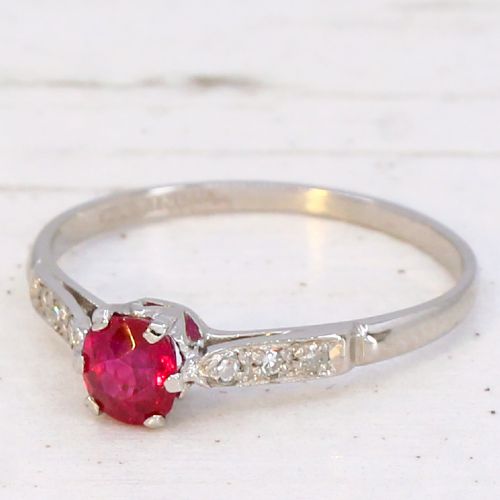


Ruby Diamond Shoulder Ring
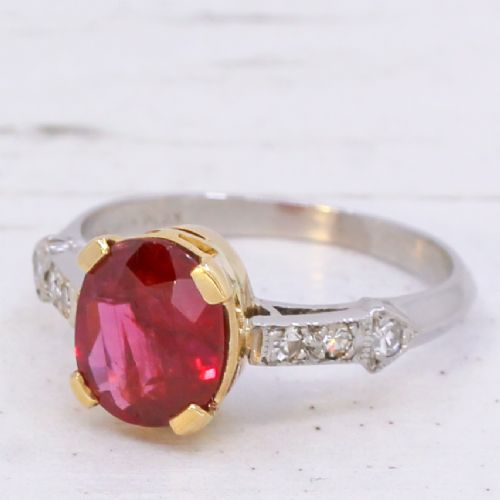
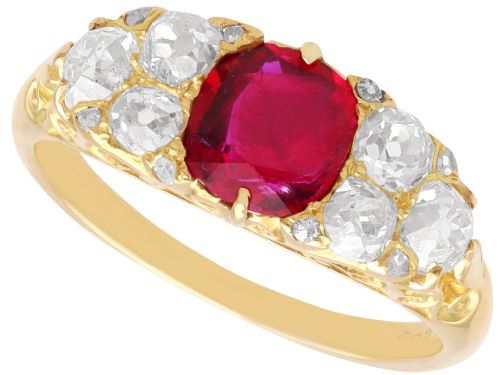
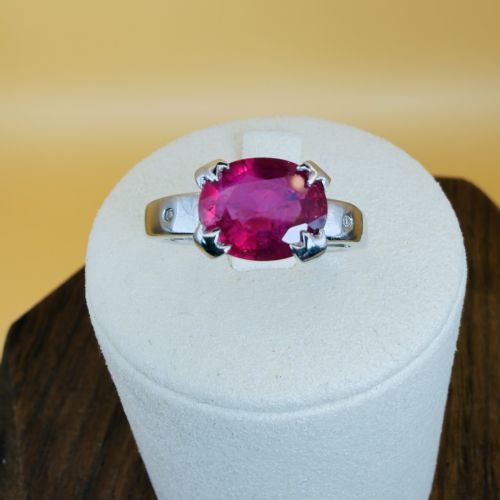
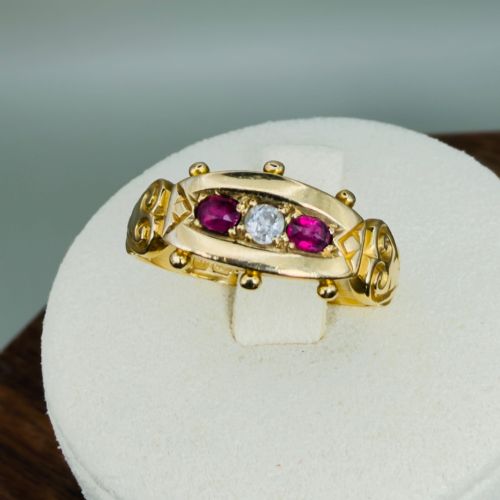
A ruby diamond shoulder ring brings together striking red stones and bright diamonds in classic gold and platinum settings.
Ruby Diamond Shoulder Ring
A ruby diamond shoulder ring comprises gemstone rings featuring central rubies flanked by diamonds, spanning periods from the Victorian era through Edwardian times to the mid-twentieth century. The selection includes cluster, trilogy, and solitaire designs set in precious metals.
Most examples found here date from the late nineteenth century to the mid-twentieth century, showcasing periods such as the Edwardian era, 1930s, and 1950s. These pieces reflect distinct historical styles including Art Deco, Victorian, and Modernist aesthetic movements.
The forms vary from traditional three-stone trilogy rings to elaborate cluster configurations and solitaire settings with accented shoulders. Buyers frequently encounter 18ct gold and platinum mountings paired with Burmese rubies.
How they were made
Goldsmiths utilised 18ct yellow gold, 18ct white gold, and platinum to fabricate the structural mounts and settings for these gemstone rings. These durable metals provided secure claws and bezels to hold the rubies and diamonds firmly in place.
Craftsmen shaped precious stones into various cuts, including princess, oval, and solitaire formats, integrating them alongside faceted diamonds. The construction often involved Birmingham assay office hallmarks and hand-finished detailing characteristic of antique and vintage jewellery.
Ruby Diamond Shoulder Ring Retail Price Guide 2026
Typical asking prices for ruby diamond shoulder ring among the pieces listed under this phrase on Sellingantiques today, from the lower quarter to the upper quarter. They describe what is for sale here now, not the wider market.
Listings feature pieces spanning from the Victorian era and Edwardian period through the 1920s, 1930s, 1950s, and 1960s.
What varies in quality
The calibre of a ruby diamond shoulder ring is defined by the origin and treatment of the central gem, such as unheated Burmese rubies from Mogok, alongside the weight and clarity of the accompanying diamonds. Heavier gold weight and robust setting construction also distinguish finer examples.
Stylistic execution and period integrity elevate certain pieces, where precision in stone-cutting and harmonious design reflect the hallmarks of Edwardian or Art Deco craftsmanship.
The Ruby Diamond Shoulder Ring Glossary
- Trilogy ring
- A ring featuring three primary gemstones set in a row across the finger, traditionally signifying past, present, and future. This layout is common in Edwardian examples.
- Cluster ring
- A design where a central stone is surrounded by a group of smaller gemstones, creating a dense pattern of colour and sparkle. Victorian and mid-century makers utilised this layout.
- Solitaire ring
- A setting focused upon a single prominent gemstone, such as an unheated ruby, often accented by smaller stones along the shoulders. This format highlights the primary gem.
- Burmese ruby
- A ruby originating from the Mogok region in Burma, prized for its natural colour characteristics. These stones appear frequently in vintage dress rings.
Ruby Diamond Shoulder Ring: Frequently Asked Questions
What is a ruby diamond shoulder ring?
A ruby diamond shoulder ring is a gemstone ring featuring red rubies paired with diamonds, often set within gold or platinum bands.
These pieces span multiple historical eras, offering diverse styles from simple trilogy layouts to elaborate cluster formations.
How do I date an antique ring?
Dating relies upon hallmarks, stylistic traits of periods like Edwardian or Art Deco, and specific construction methods.
Assay office stamps, such as those from Birmingham, and documented material choices help establish the decade of origin.
What metals are used in these rings?
Metals commonly include 18ct yellow gold, 18ct white gold, and platinum.
These durable materials supported the secure mounting of precious gemstones throughout the Victorian and twentieth-century periods.
How should I care for my ring?
Care involves gentle cleaning suitable for precious stones and precious metals, avoiding harsh chemical exposure.
Regular inspection of the settings ensures the rubies and diamonds remain secure in their original mounts.