

Round Lamp Stand
These round lamp stand designs offer sturdy wooden platforms for illumination, uniting practical height with compact elegance.
Round Lamp Stand
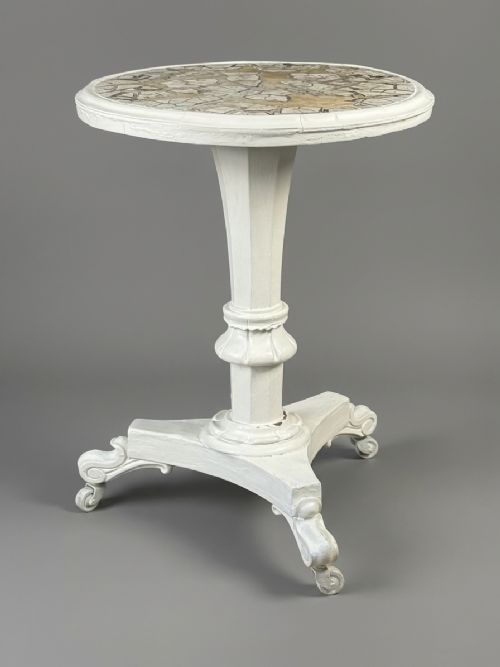
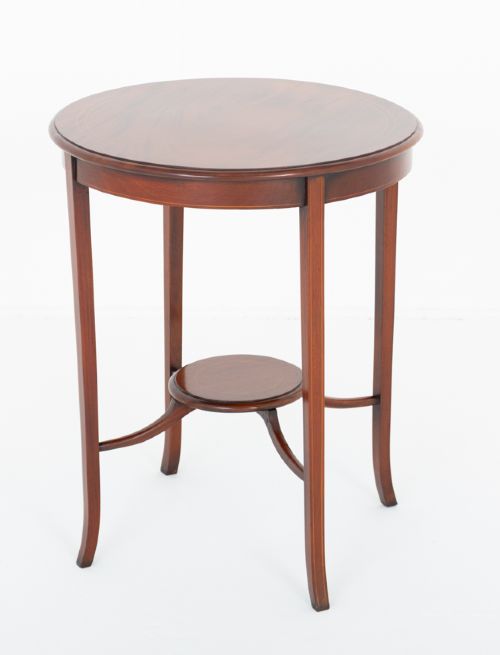
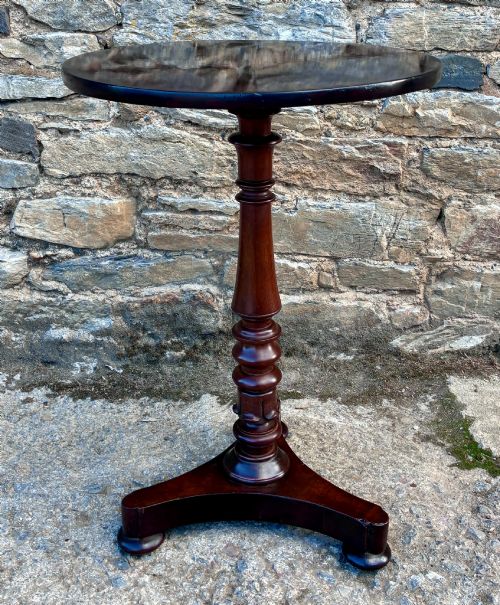
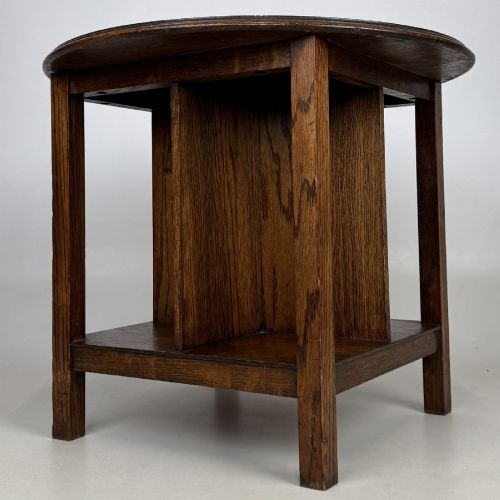
When you search for a round lamp stand, you uncover versatile circular tables designed to hold lighting or small items in domestic spaces. These pieces span centuries of British craftsmanship, appearing under various names like wine tables, occasional tables, and side tables.
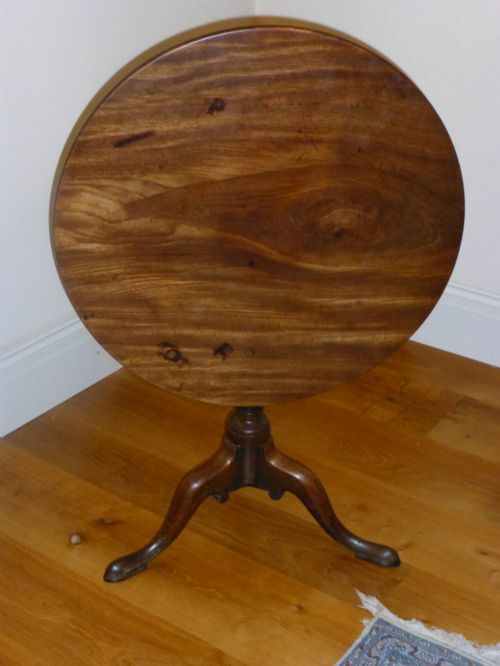
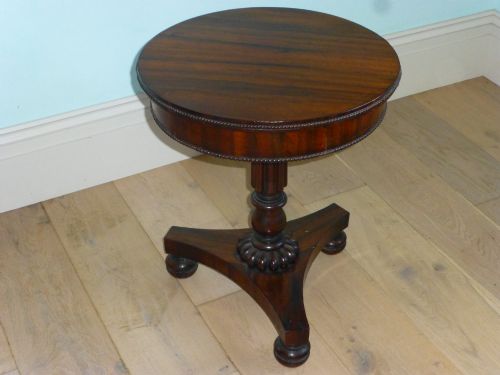
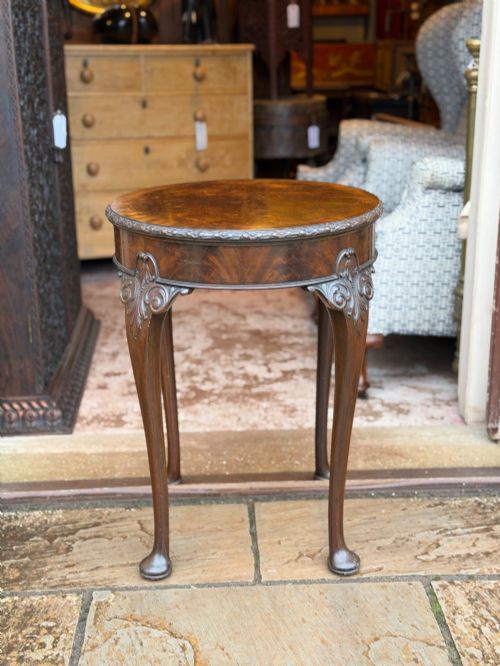
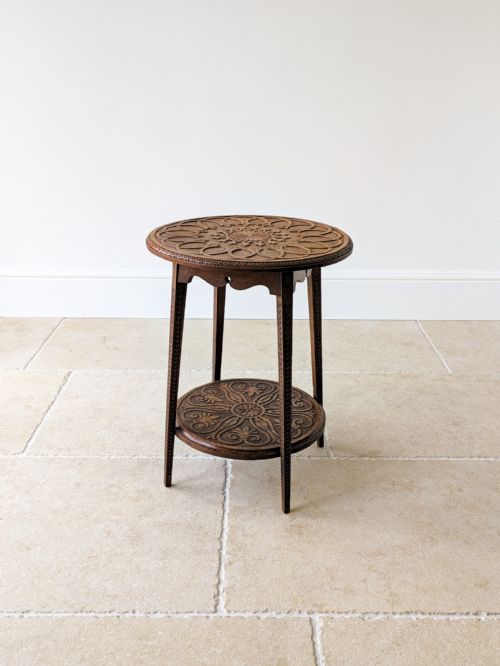
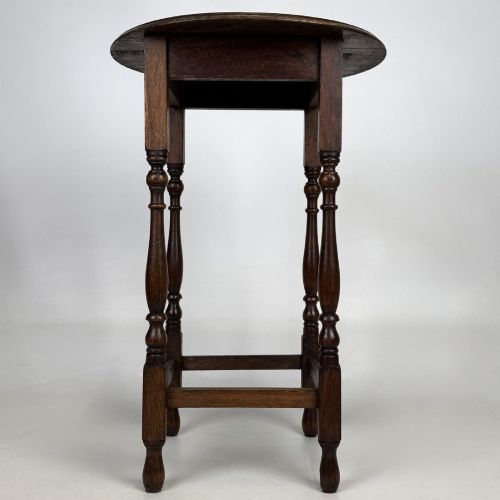
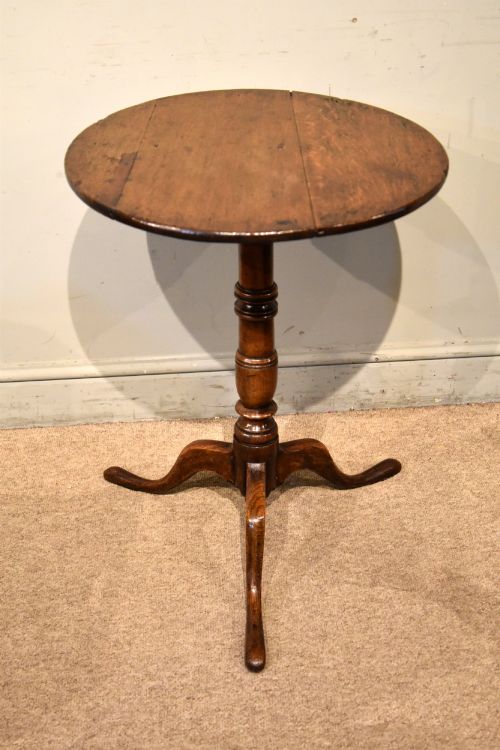
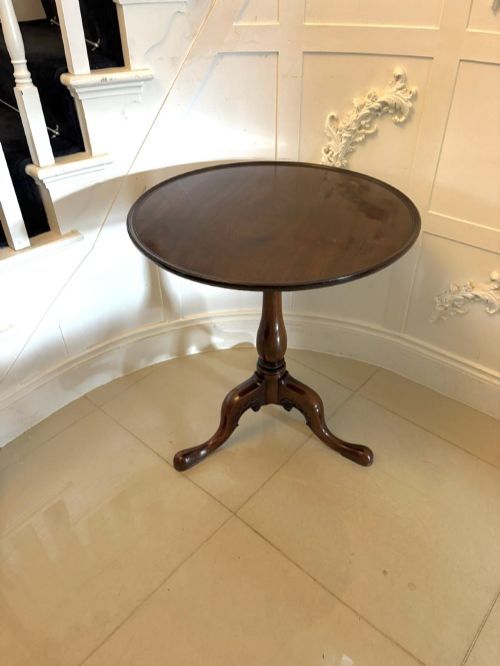
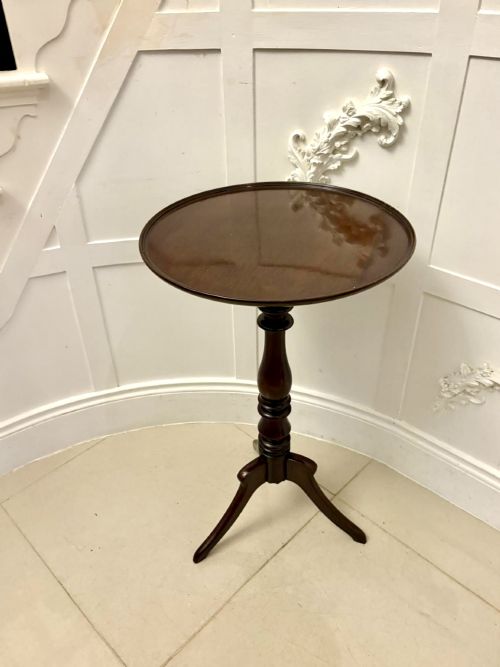
You are most likely to encounter compact tripod styles featuring circular timber tops supported by three splayed legs. Examples range from understated Georgian and Victorian specimens to decorative Edwardian and Arts and Crafts creations.
The physical form prioritises stability and a small footprint, making these tables easy to position beside armchairs or in hallways. Surviving examples demonstrate how homeowners adapted small round tables to serve as dedicated lamp stands over generations.
Materials and construction methods
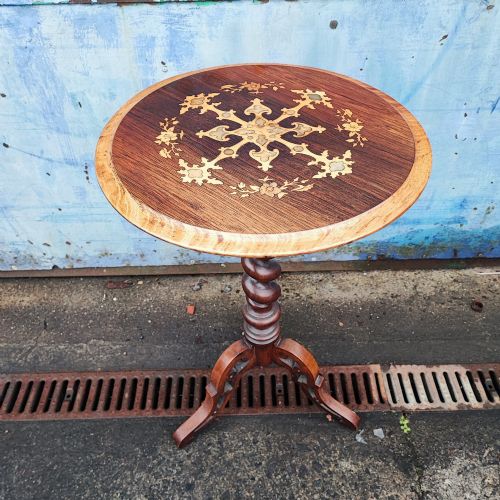
Cabinetmakers constructed these tables using dense hardwoods such as mahogany, oak, walnut, rosewood, and satinwood. Artisans often selected timber with rich grain patterns, occasionally incorporating burr wood veneers or delicate inlay work.
Round Lamp Stand Retail Price Guide 2026
Typical asking prices for round lamp stand among the pieces listed under this phrase on Sellingantiques today, from the lower quarter to the upper quarter. They describe what is for sale here now, not the wider market.
Listings for this phrase feature pieces in mahogany, oak, walnut, rosewood, and satinwood across Georgian, Victorian, and Edwardian periods.
Determinants of quality
The distinction between standard utility items and superior examples rests upon timber selection and the precision of the turning. Master craftsmen utilised high-grade mahogany, walnut, or rosewood, sometimes embellishing the surface with fine satinwood inlay or intricate carving.
Proportion and balance dictate the enduring appeal of each table, ensuring the top sits level upon its central pedestal and tripod base. Superior pieces exhibit seamless joins, graceful leg curves, and thoughtful detailing that elevate simple functional furniture into decorative art.
Waring & Gillow
The Round Lamp Stand Glossary
- Tripod table
- A small circular table supported by a central pillar and three legs. This design provides natural stability on uneven floors.
- Tilt-top
- A hinged table top that can be folded vertically when not in use. This mechanism allowed tables to be stored against walls to save floor space.
- Inlay
- A decorative technique where contrasting materials are inserted into recessed cavities on the wood surface. Edwardian and Sheraton revival pieces frequently utilise this method.
- Barley twist
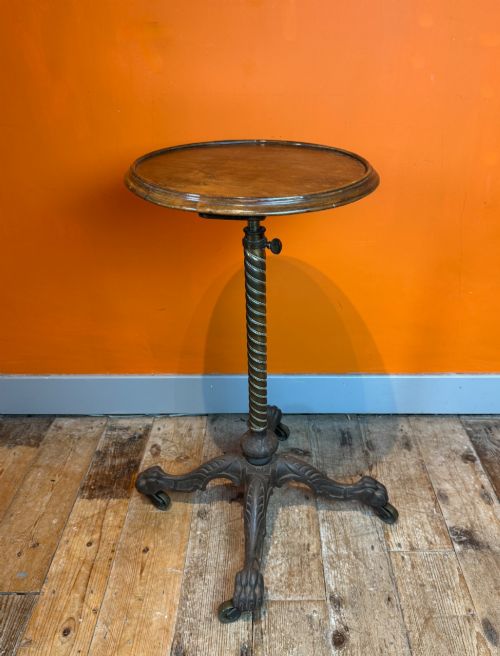
- A spiral turning carved into table legs or central stems. This decorative profile gained popularity during the Victorian period.
Round Lamp Stand: Frequently Asked Questions
How were these tables used?
Historically, these compact tables served multiple domestic purposes depending on the height and top mechanism. Homeowners utilised them for holding candlesticks, oil lamps, or drinks near seating areas.
Tilt-top variants offered the added convenience of being folded down and moved against a wall when extra floor space was required.
How do I style a lamp table?
Integrating one of these tables into a room involves placing it beside a sofa, reading chair, or in an empty corner. The compact circular top accommodates a table lamp, a small plant, or decorative accessories without overwhelming the surrounding space.
Mixing period timber tones with contemporary seating creates an eclectic interior that highlights the character of the wood.
How do I tell periods apart?
Distinguishing between periods requires examining the choice of timber, leg style, and decorative motifs. Georgian and Regency pieces often showcase plain or inlaid mahogany with slender tripod legs.
Victorian and Edwardian versions frequently feature heavier turnings, such as barley twists, or distinct Arts and Crafts simplicity in oak.