



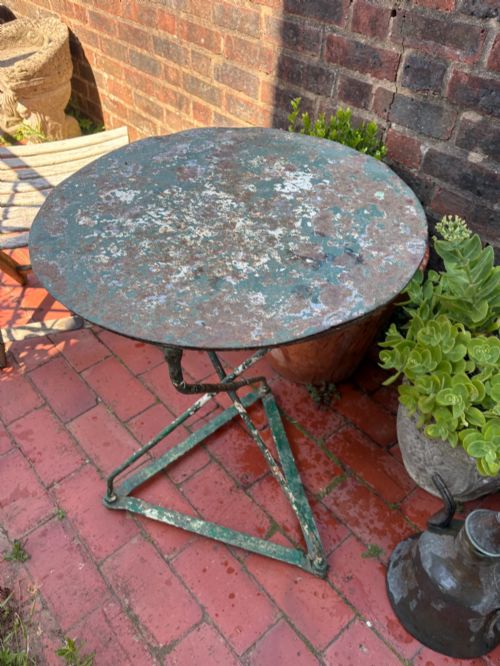


Round Iron Table
A round iron table brings immediate character to a terrace or corner, offering sturdy utility paired with timeless continental style.
Round Iron Table
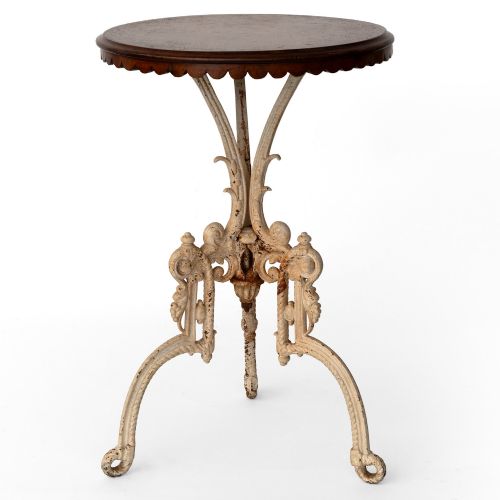
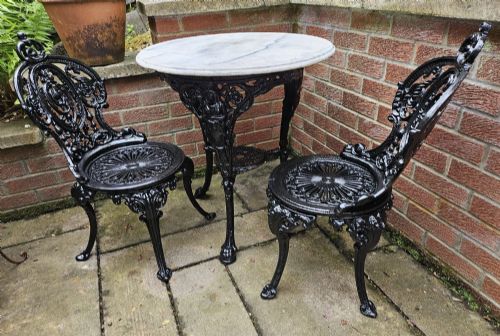
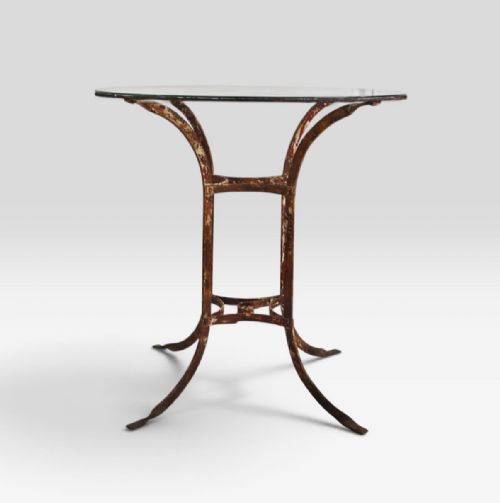
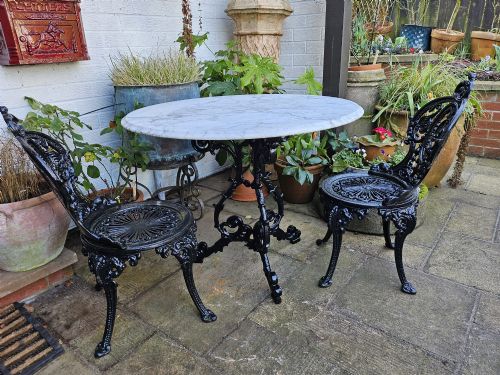
A round iron table serves as a durable surface for gardens, cafes, and domestic interiors, spanning various historical periods from the Victorian era through the early twentieth century. These pieces frequently combine robust metal bases with contrasting surfaces such as marble or wood, creating functional furniture suited to both indoor and outdoor placement.
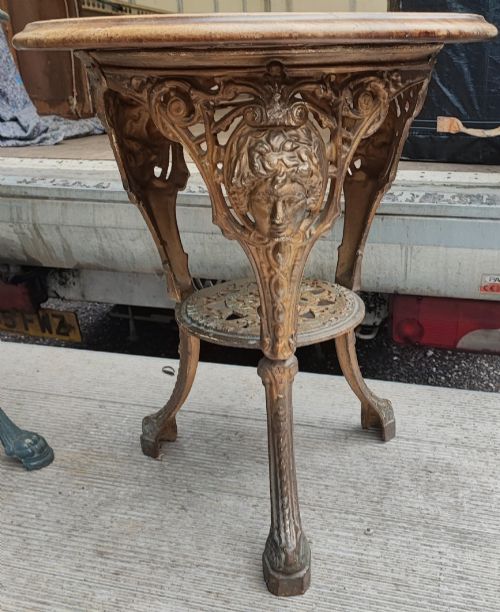
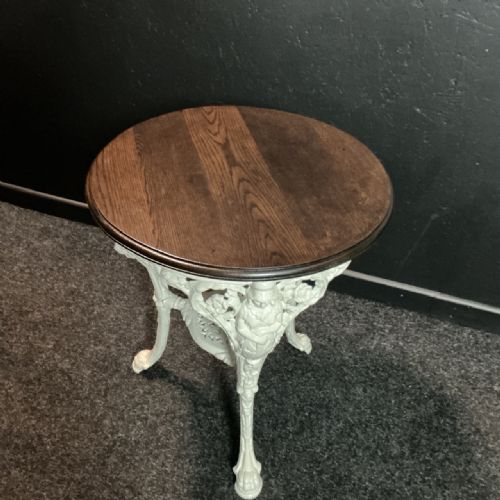
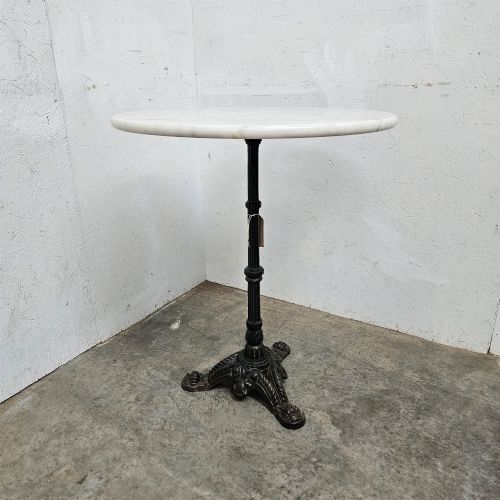
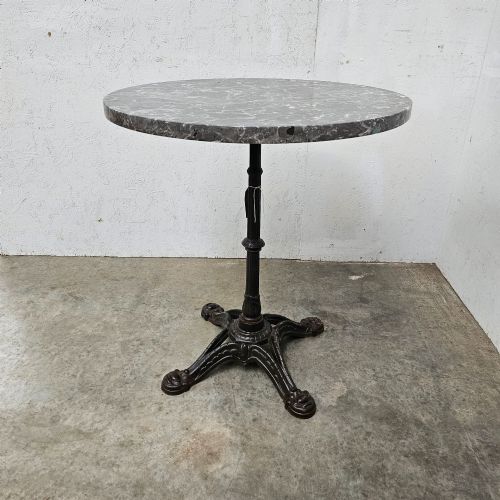
The versions most commonly met on this page include French bistro tables and Victorian pub tables, often featuring tripod or scrollwork bases. Many examples pair heavy cast or wrought iron frames with smooth stone tops, reflecting traditional continental design and sturdy British tavern manufacturing alike.
How they were made
Construction relies heavily on durable cast and wrought iron for the structural bases and frames, providing the necessary weight and stability for daily use. These metal components are frequently shaped into ornate scrollwork, tripod configurations, or robust pedestal supports.
Tops are fashioned from varied materials including polished marble, pine, hardwood, and sheet metal, secured firmly to the iron frames. Surface finishes such as paint are often applied to protect the metal and enhance the visual character of the piece over decades of service.
Round Iron Table Retail Price Guide 2026
Typical asking prices for round iron table among the pieces listed under this phrase on Sellingantiques today, from the lower quarter to the upper quarter. They describe what is for sale here now, not the wider market.
French bistro and Victorian pub designs dominate the forms available here, alongside garden tables, coffee tables, and occasional furniture.
What varies in quality
Quality rests primarily on the integrity of the metal casting and the precision of the joinery between the top and the base. Heavier, more complex scrollwork and well-fitted stone surfaces demonstrate superior initial manufacture and enduring structural stability.
The choice of materials also dictates the standing of the piece, with genuine marble tops and thick cast iron frames commanding greater appreciation than lighter sheet metal or simple pine alternatives. Original surface patinas and intact finishes further distinguish finer examples from heavily restored or later adaptations.
The Round Iron Table Glossary
- Bistro table
- A small café table designed for commercial or domestic dining, typically featuring a central iron pedestal or tripod base.
- Guéridon
- A small French round table supported by one or more columns, often utilised as an occasional or drinks table.
- Britannia
- A nineteenth-century pub table style characterised by a heavy cast iron base featuring the figure of Britannia.
- Tripod base
- A three-legged support structure commonly found on round occasional and garden tables to ensure stability on uneven ground.
- Scrollwork
- Ornamental branching or spiral patterns formed in ironwork, prevalent in Victorian and French industrial furniture design.
Round Iron Table: Frequently Asked Questions
Can I leave my iron table outside?
Most iron tables tolerate outdoor placement well due to their sturdy metal construction, though prolonged exposure to moisture can encourage surface rust.
Moving them under cover during harsher months helps preserve painted finishes and protects any wooden or marble tops from weathering.
How do I clean a marble top?
Routine maintenance requires only a damp cloth and mild soap to remove dust and everyday marks from the stone surface.
Avoid harsh acidic cleaners that can etch the polished marble and dull its natural finish over time.
Are these tables heavy to move?
The weight of a round iron table depends largely on the materials used for its base and top, with cast iron and marble combinations being particularly substantial.
While smaller occasional tables lift easily, larger garden or pub versions require two people to reposition safely.
How do I date an iron table?
Dating relies on observing construction methods, such as the texture of the iron casting, the style of the scrollwork, and the type of fasteners used.
Comparing these details against known Victorian and early twentieth-century French design patterns helps narrow down the period of manufacture.