



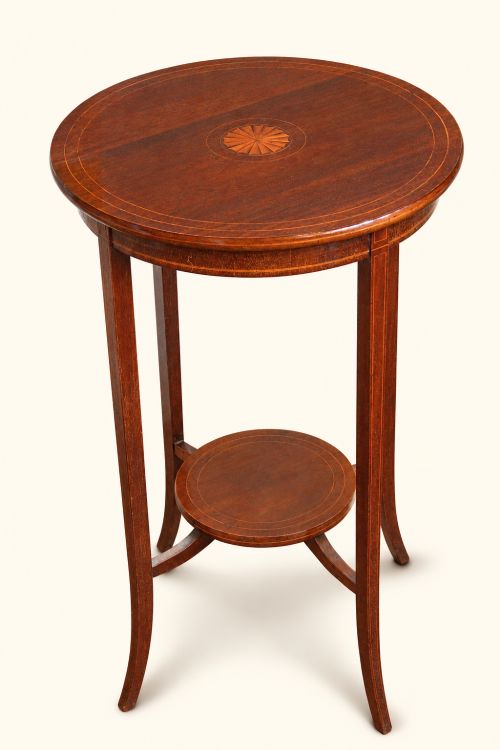
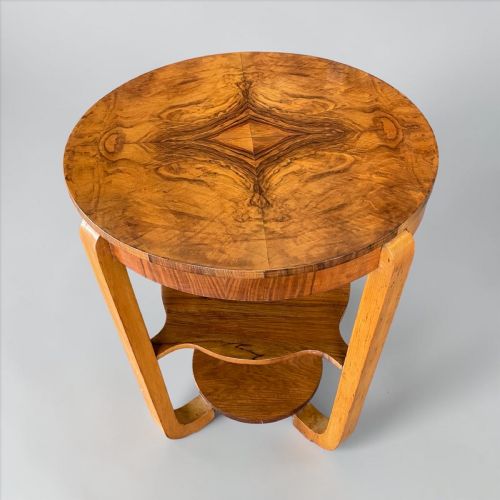
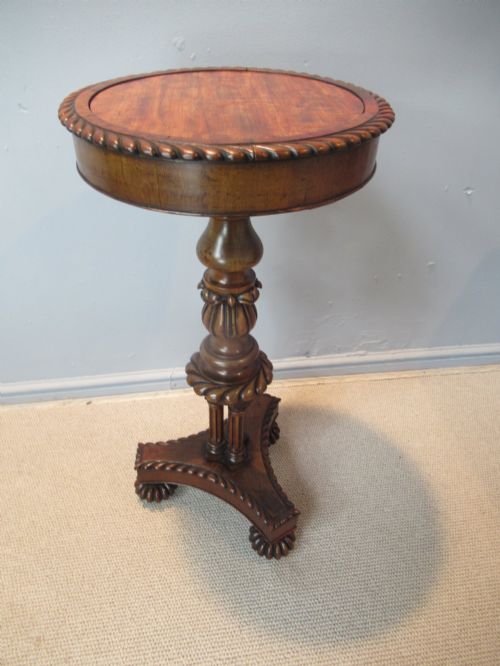

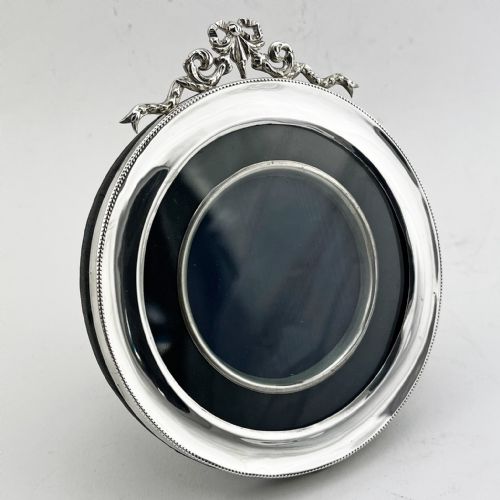


Round Display Stand
These round display stand pieces range from Edwardian occasional tables to Chinese hardwood vase stands, offering compact surfaces for cherished objects.
Round Display Stand
A round display stand serves to elevate and showcase objects like vases, sculptures, and photographs. When searching for a round display stand, buyers encounter various forms including occasional tables, plant stands, pedestals, and vitrines dating from the Victorian and Edwardian eras through to the Art Deco period.
Most items on this page originate from the nineteenth and early twentieth centuries, particularly the Victorian and Edwardian periods. Buyers also find pieces utilising burr elm, rosewood, and mahogany, reflecting the diverse domestic and decorative requirements of these eras.
How they were made
Cabinet makers utilised dense timbers such as mahogany, walnut, rosewood, and hardwood for structural integrity and fine appearance. Many surfaces incorporate veneers, satinwood inlay, or burr elm and ebony elements to create decorative visual contrast.
Round Display Stand Retail Price Guide 2026
Typical asking prices for round display stand among the pieces listed under this phrase on Sellingantiques today, from the lower quarter to the upper quarter. They describe what is for sale here now, not the wider market.
Listings feature items from the Victorian, Edwardian, and Art Deco periods, alongside nineteenth-century Chinese furniture.
What varies in quality
The refinement of timber selection and inlay work dictates the distinction between standard utilitarian furniture and higher-grade decorative pieces. Finely figured veneers, intricate satinwood inlay, and well-executed joinery separate better examples from plain constructions.
The integration of materials such as inset marble tops, cast iron structural elements, and sterling silver mounts affects the overall character. Superior items demonstrate careful attention to proportion, particularly in tripod bases and multi-tiered plant stands.
The Round Display Stand Glossary
- Occasional table
- A small, light table designed to be moved easily around a room as needed. These versatile pieces function as lamp tables or display surfaces.
- Tripod table
- A small table supported by a pillar on three legs. This design provides stable footing on uneven floors.
- Vitrine
- A glass-fronted cabinet or display case used for showing small valuables and curiosities. They protect delicate items from dust while offering all-round visibility.
- Table plateau
- A mirrored or decorative tray placed in the centre of a dining table to display ornaments or candelabra. The mirrored surface reflects candlelight and objects above.
- Whatnot
- An open set of multi-tiered shelves used for displaying ornaments and books. They became popular in the nineteenth century for domestic display.
Round Display Stand: Frequently Asked Questions
What is a round display stand used for?
These pieces provide a dedicated raised surface to showcase decorative objects, plants, lamps, and photographs within a room.
Depending on the specific form, they occupy corners, tabletops, or floor space to draw attention to individual items.
How do I date a Victorian round display stand?
Dating relies on identifying timber species, construction methods, and stylistic cues characteristic of the nineteenth century.
Victorian pieces often utilise solid mahogany, walnut, or heavy cast iron, combined with period design motifs like tripod bases.
Where should I place a plant stand?
Plant stands suit corners, window spaces, or hallways where they receive adequate light without obstructing movement.
Cast iron and hardwood variants withstand practical use for holding heavy potted plants or vases.
What is an occasional table?
An occasional table is a small, movable piece of furniture designed for flexible placement beside seating or against walls.
Edwardian and Victorian examples frequently feature circular tops suited for lamps, frames, and small decorative items.
How do I care for antique hardwood tables?
Regular dusting with a dry cloth helps maintain the finish on mahogany, rosewood, and hardwood surfaces.
Avoiding direct sunlight and excessive moisture preserves the integrity of veneers, inlay, and polished timber.