






Round Deco Mirror
A round deco mirror brings geometric brilliance to a room, offering striking form and reflective depth that catches the eye immediately.
Round Deco Mirror
A round deco mirror is a circular looking glass designed primarily for wall display, capturing the signature geometric flair of the early twentieth century. These objects function as central decorative focal points in domestic interiors, merging practical reflection with bold ornamentation.
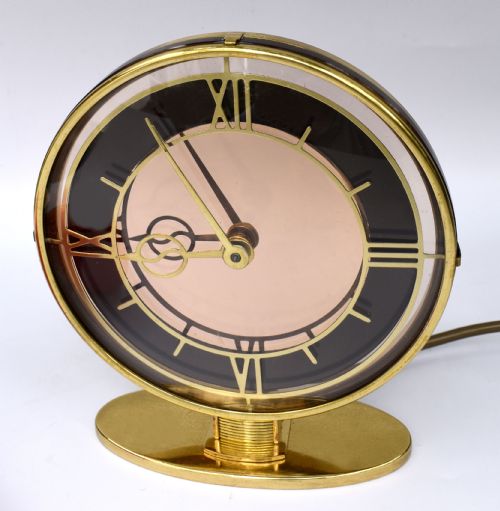
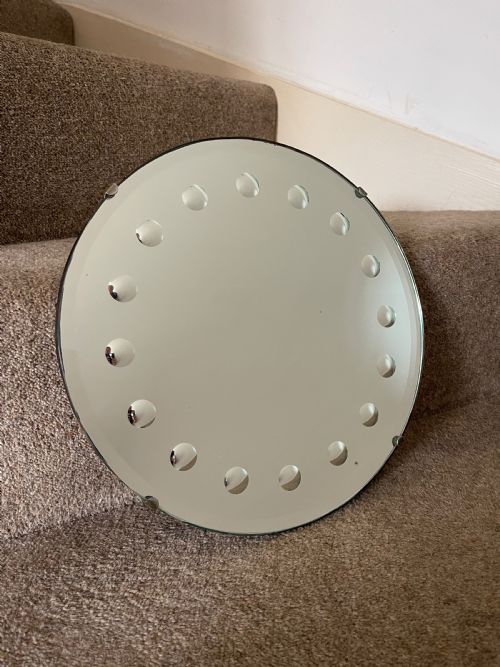
Most examples encountered here originate from the interwar period, notably around nineteen thirty and nineteen twenty, reflecting the dominant aesthetic of the era. The selection also includes related forms such as clock combinations and frameless circular plates alongside standard wall mirrors.
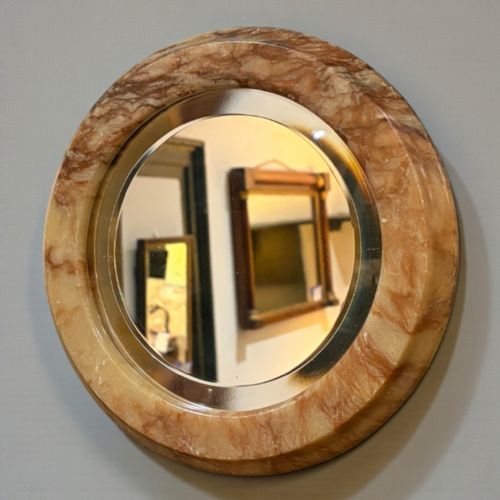
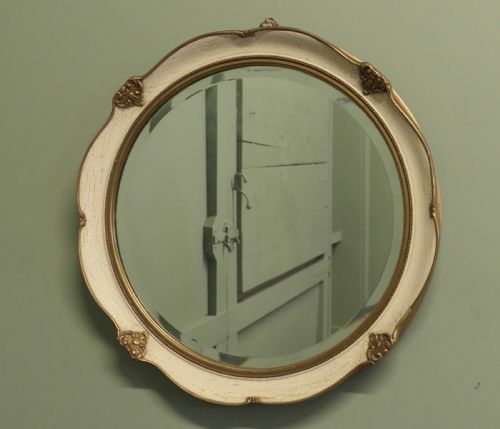
Origins span British and continental workshops, including distinct French Art Deco design influences characterised by refined colour combinations like gilt and cream. Alongside these, earlier Victorian alabaster pieces and nineteen ten etched glass items appear, demonstrating the evolution of circular reflective furnishings.
How they were made
Makers constructed these pieces using heavy mirror glass and mirrored glass plates mounted to supportive wooden or metal backings. Frames incorporated durable structural materials such as chrome, brass, and carved alabaster to achieve substantial weight and rigidity.
Decorative surfaces often utilised etching techniques on the glass plate itself or applied painted finishes in cream and gilt directly to the frame. Metal components were shaped into circular profiles to complement the geometry of the central glass.
Round Deco Mirror Retail Price Guide 2026
Typical asking prices for round deco mirror among the pieces listed under this phrase on Sellingantiques today, from the lower quarter to the upper quarter. They describe what is for sale here now, not the wider market.
Some mirrors double as clocks, ensuring you have no excuse for losing track of time while admiring your reflection.
What varies in quality
The sophistication of the materials sets the finest examples apart, particularly the presence of dense alabaster frames or substantial chrome and brass rather than plain wood. Superior pieces exhibit crisp execution in decorative etching and refined colour palettes like gilt and cream.
Design complexity also defines the upper tier, where circular mirrors integrate additional functional elements such as clock movements or distinct modernist dressing table architecture. Consistency in the preservation of the original mirrored glass plate further distinguishes higher grade items.
The Round Deco Mirror Glossary
- Art Deco
- A design style characterised by sleek geometric shapes, streamlined forms, and modern industrial materials popular during the nineteen twenties and nineteen thirties. It represents a sharp break from the florid ornamentation of earlier Victorian aesthetics.
- Alabaster
- A fine-grained mineral stone used for carving decorative architectural elements and mirror frames. It provides a smooth, semi-translucent surface with natural banding.
- Mirror plate
- The flat glass sheet coated with a reflective metal backing to create the image. In older pieces, this glass often displays subtle imperfections and hand-bevelled edges.
- Sorcerer type mirror
- A convex or specialised optical mirror design that creates a distorted, wide-angle reflection of the surrounding interior space. This distinctive form adds dramatic visual depth to a room.
Round Deco Mirror: Frequently Asked Questions
How do I hang a heavy round mirror safely?
These pieces require secure wall fixings capable of supporting substantial glass and metal weight. Utilising appropriaterawl plugs and steel screws matched to the wall type ensures stability.
Professional mirror hangers often recommend French cleats or heavy-duty D-rings attached directly to the sturdy backing frame. Ensuring the weight distributes evenly prevents strain on the circular structure.
Where should I place a round deco mirror?
Positioning the glass opposite a window maximises natural light distribution across the interior space. Placing the piece above a fireplace mantel or sideboard creates a balanced focal point.
Maintaining adequate clearance from high-traffic zones protects the projecting chrome or alabaster frames from accidental impacts. The geometric lines complement both contemporary and traditional room settings.
How do I clean antique mirror glass?
Cleaning requires a soft microfiber cloth and a mild, ammonia-free glass cleaner sprayed onto the cloth rather than directly onto the surface. This prevents moisture from seeping behind the silvered backing.
Avoiding harsh chemical abrasives protects the fragile edges of the glass plate and any surrounding gilt or painted decoration. Gentle wiping preserves the original silvering and patina.
How can I tell a nineteen thirties mirror from earlier pieces?
Nineteen thirties pieces typically feature streamlined chrome, brass, or frameless geometric configurations aligned with Art Deco principles. Earlier Victorian examples often rely on carved alabaster or traditional timber frames.
Examining the construction of the backing boards and the mounting fixings reveals manufacturing methods specific to each era. Etched glass motifs also shift from floral Victorian styles to abstract modernist patterns by nineteen thirty.