





Round Bistro Table
A round bistro table brings effortless continental charm to a compact space, combining robust metal bases with cool marble or warm timber tops.
Round Bistro Table
When you search for a round bistro table, you find pieces designed for social spaces, typically featuring a pedestal or tripod base supporting a compact circular surface. These items serve multiple functions across domestic and commercial settings, appearing as side tables, garden tables, and dining furniture.
The versions most common on this page originate from the nineteenth and early twentieth centuries, drawing heavily on French cafe culture and British pub traditions. They combine industrial metals with traditional woods and stone, reflecting practical historical use in tight interiors and outdoor terraces.
How they were made
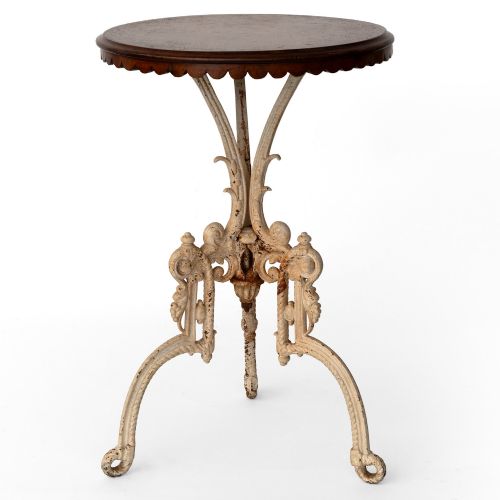
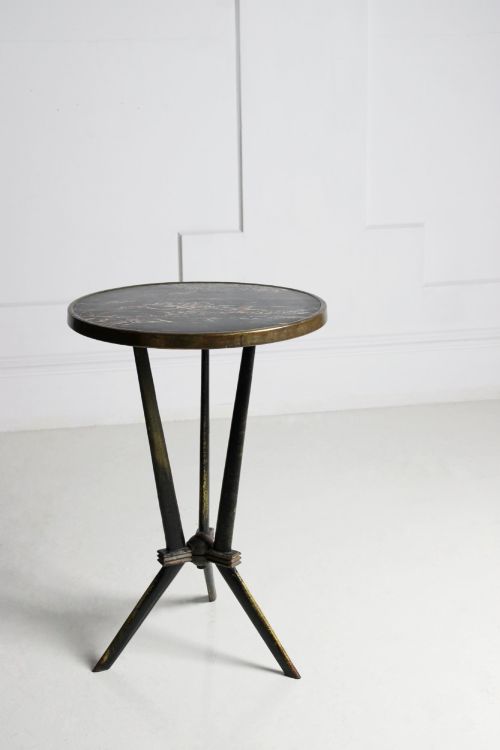
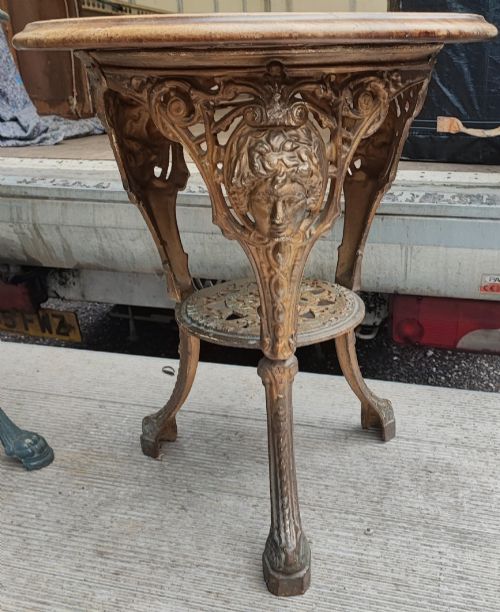
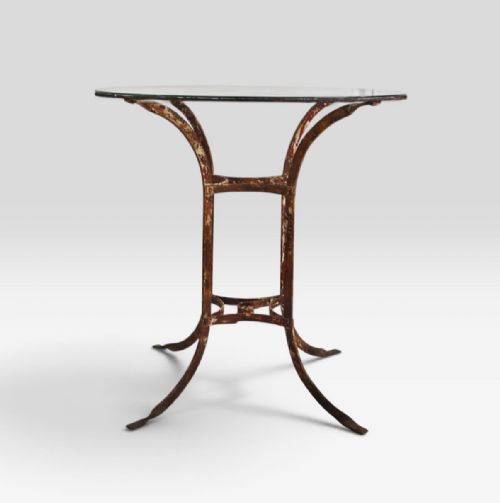
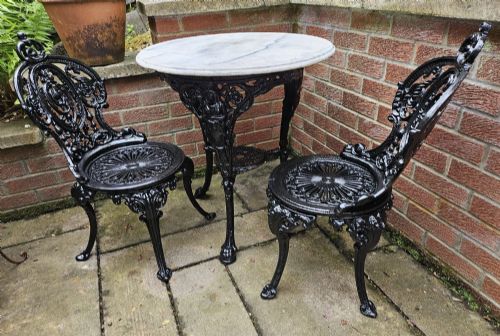
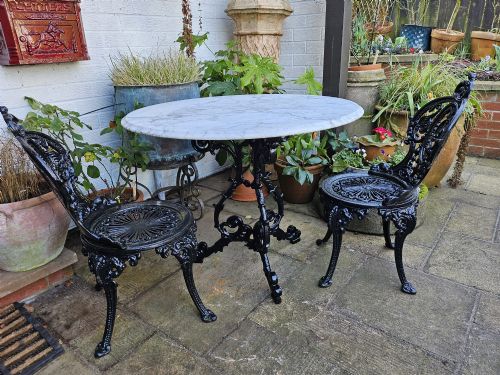
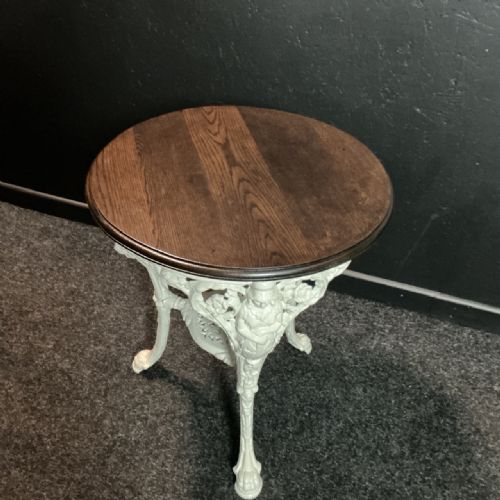
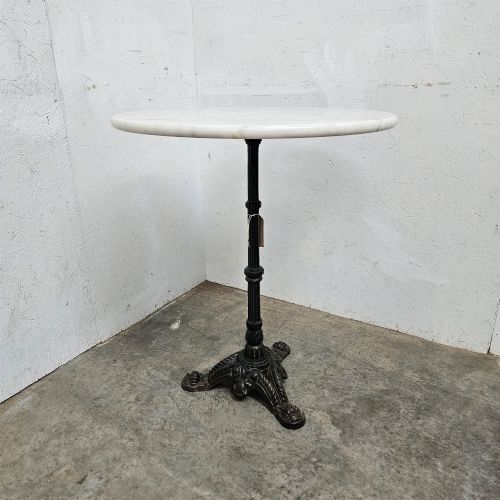
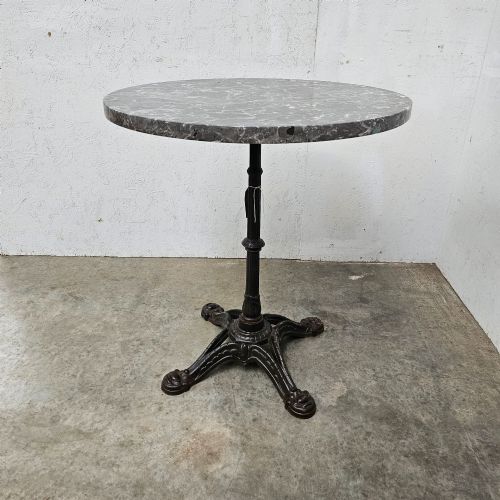
Makers utilised durable metals for the structural frames, casting iron into ornate scrollwork or heavy pedestal bases to ensure stability. Wrought iron and brass also appear in the framework, often paired with copper details.
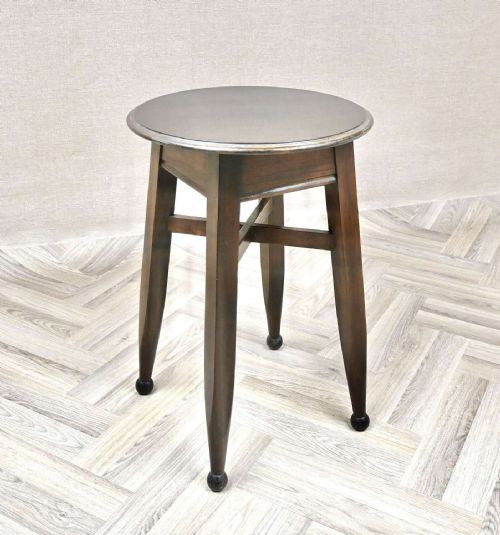
Tops were constructed from dense materials capable of withstanding daily wear, predominantly white or green marble, alongside hardwoods such as oak, walnut, cherry, and pine. Painted finishes on both wood and cast iron protected the surfaces from moisture and heavy use.
Round Bistro Table Retail Price Guide 2026
Typical asking prices for round bistro table among the pieces listed under this phrase on Sellingantiques today, from the lower quarter to the upper quarter. They describe what is for sale here now, not the wider market.
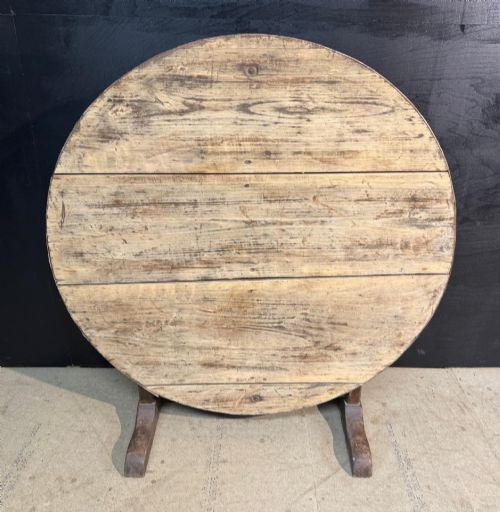
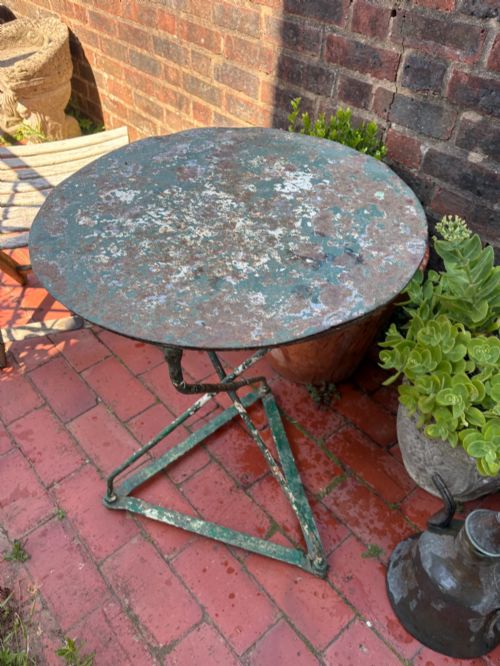
Several folding vineyard tables retain traces of old green paint, hinting at decades spent waiting for the grape harvest.
What varies in quality
The distinction between ordinary and exceptional examples rests on the harmony of materials and the crispness of the casting. Heavy marble slabs fitted precisely to iron bases represent a higher standard than lighter replacement tops.
Structural integrity and the retention of original paint or natural patina dictate value among surviving examples. Pieces retaining their original fixings and unpolished cast iron show superior preservation.
The Round Bistro Table Glossary
- Gueridon
- A small occasional table, typically supported by a single central pillar or pedestal. The form originated in seventeenth-century France and remained popular through the nineteenth century.
- Patina
- The surface appearance developed through age, use, and wear. It shows in the softened texture of timber and the gentle oxidation of metal.
- Bistro set
- A small table accompanied by matching chairs designed for compact dining. These sets were standard fixtures in European pavement cafes.
- Cast iron
- An iron-carbon alloy poured into moulds to create intricate bases and legs. This technique allowed Victorian and continental foundries to produce mass decorative scrollwork.
Round Bistro Table: Frequently Asked Questions
Can I use a bistro table outdoors?
Many examples featuring cast iron bases and marble tops tolerate sheltered outdoor conditions well. Metal frames and stone surfaces resist weather if properly maintained.
Wooden versions require protection from persistent moisture and frost to preserve the timber and paintwork. Keeping them on covered terraces prevents premature weathering.
How do I clean a marble top?
Wipe the surface with a damp cloth and mild, neutral soap to remove daily dust and marks. Avoid acidic cleaners that etch the stone.
Dry the marble thoroughly with a soft cloth after washing. Periodic sealing helps protect older stone from staining.
Are folding tables sturdy?
Historical folding mechanisms on vineyard and bistro tables use robust iron hinges designed for frequent setup and storage. These joints lock securely when deployed.
Check the pivot points for movement, but expect authentic folding frames to remain stable during normal daily use.
How do I date a cast iron base?
Examine the quality of the casting seam and the style of the scrollwork for clues to the period. Victorian and early twentieth-century foundries used distinct casting techniques.
Tool marks and the type of assembly bolts provide additional evidence of age. Comparing the base style to known nineteenth-century patterns helps narrow the timeframe.