



Rosewood Parlor Chair
A rosewood parlor chair brings rich timber and refined nineteenth-century seating into a room.
Rosewood Parlor Chair
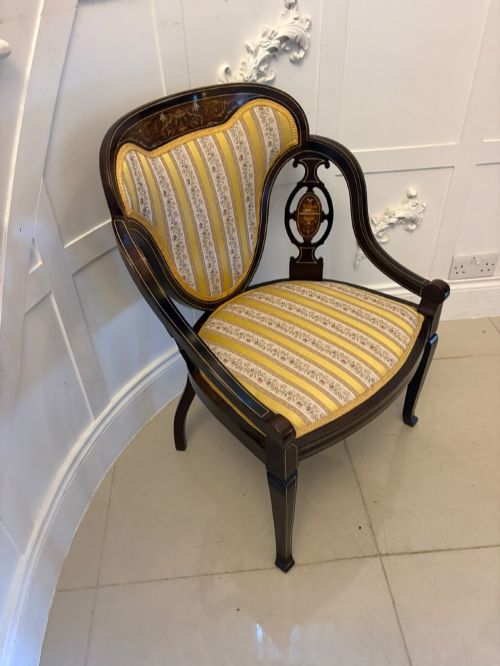
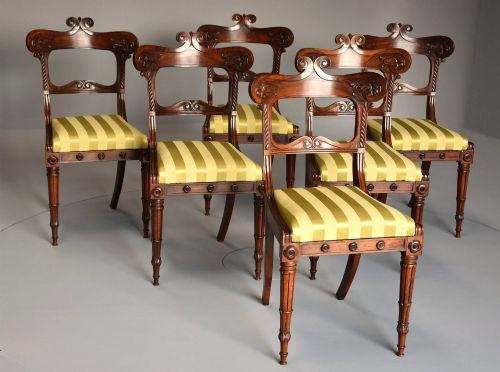
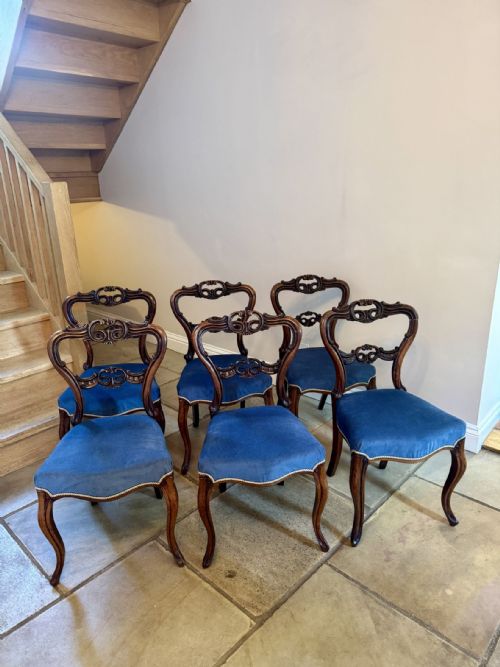
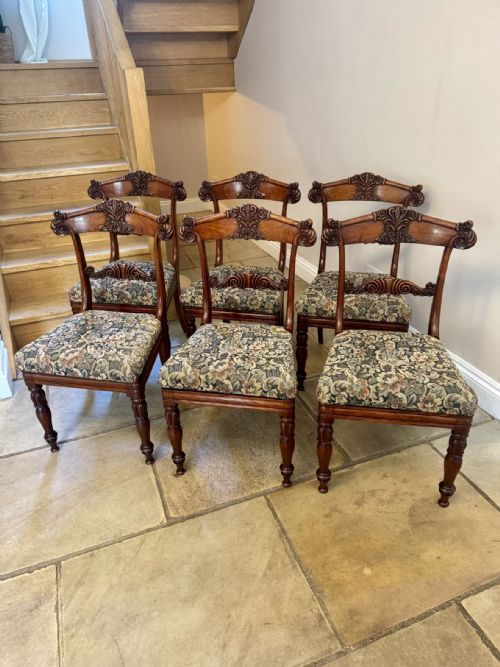
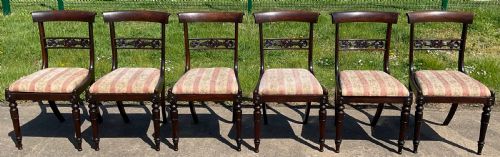
A rosewood parlor chair draws on Victorian, Regency, and Edwardian periods, appearing across the nineteenth and early twentieth centuries in forms such as side chairs, armchairs, and dining chairs. The listings show considerable reliance on Victorian balloon back designs, alongside sets and individual salon pieces.
Makers and workshops of the era produced these seats in various configurations, including larger suites and paired side chairs. While the search phrase targets parlor seating, the surviving material spans related dining and salon forms executed in the same timber.
Materials and construction
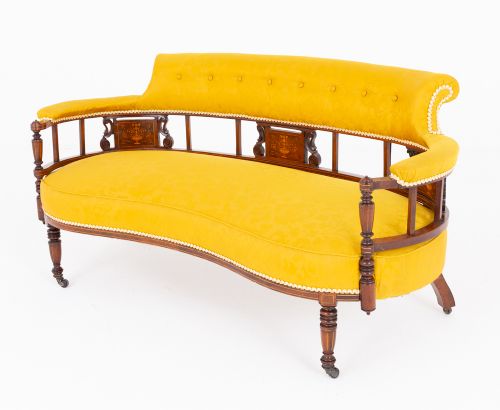
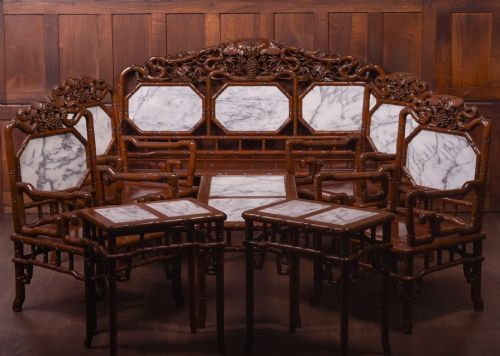
Craftsmen utilised solid rosewood and applied delicate marquetry inlay to enrich the timber surfaces. Carved showwood frames demonstrate the sculptural capability of the wood, often paired with contrasting upholstery materials.
Textiles like velvet, needlepoint, and various upholstery fabrics complete the seats, occasionally augmented by brass elements or mother of pearl details in specific regional variants.
Rosewood Parlor Chair Retail Price Guide 2026
Typical asking prices for rosewood parlor chair among the pieces listed under this phrase on Sellingantiques today, from the lower quarter to the upper quarter. They describe what is for sale here now, not the wider market.
The listings span the Victorian, Regency, and Edwardian periods, with solid rosewood, mahogany, and marquetry appearing alongside needlepoint and velvet upholstery.
Judging quality in rosewood seating
Superior examples reveal themselves through the crispness of the carved rails and the depth of the rosewood grain. The integration of marquetry inlay and the retention of original needlepoint or velvet upholstery distinguish finer productions from simpler utilitarian seating.
James Shoolbred
The Rosewood Parlor Chair Glossary
- Balloon back
- A chair back shaped like a rounded balloon, typical of mid-nineteenth-century Victorian design. This curved wooden frame provides both ergonomic support and decorative appeal.
- Marquetry
- The art of applying pieces of veneer to a structure to form decorative patterns. Craftsmen utilised different coloured woods to create intricate floral or geometric designs on the frame.
- Showwood
- Exposed wooden framing on an upholstered chair or settee. This polished timber edge displays the quality of the rosewood grain around the padded areas.
- Serpentine seat
- A chair seat with a curved front edge that undulates in a gentle wave. This sophisticated shaping requires careful woodworking joinery.
Rosewood Parlor Chair: Frequently Asked Questions
How do I identify a Victorian rosewood chair?
Look for the characteristic dense, dark grain of rosewood combined with stylistic markers such as balloon backs or carved rails.
Many examples from this era date from the mid-nineteenth century and often appear as single side chairs or part of larger dining sets.
What is the difference between a parlor chair and a dining chair?
Parlor chairs typically served formal reception rooms and featured more decorative elements like marquetry inlay or open carved showwood frames.
Dining chairs of the same period focused more on uniform sets and sturdy construction for regular table use.
How should I care for antique rosewood furniture?
Keep wooden surfaces away from direct sunlight and excessive heat sources to prevent the rosewood from drying out or splitting.
Dust regularly with a soft, dry cloth and avoid applying modern silicone polishes that can damage the antique finish.
Are these chairs suitable for daily use?
Nineteenth-century seating was built with robust joinery, but older frames benefit from sensible placement and gentle daily handling.
Checking the stability of the joints and the condition of the upholstery will ensure the chair remains functional.