


Rococo Twin Arm Lights
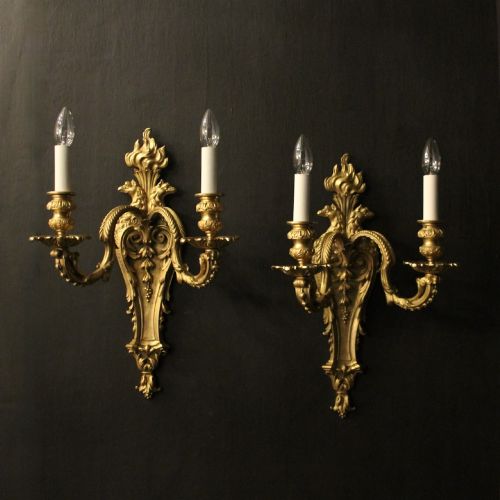
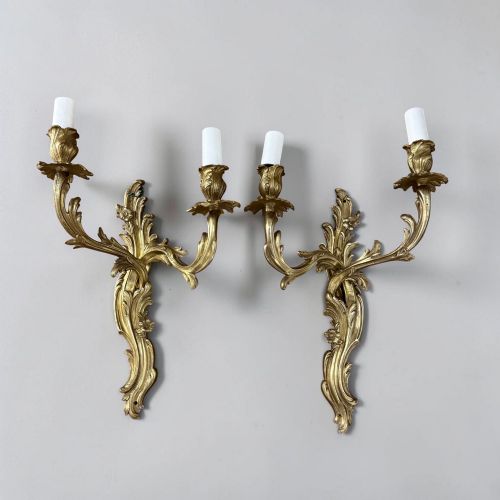
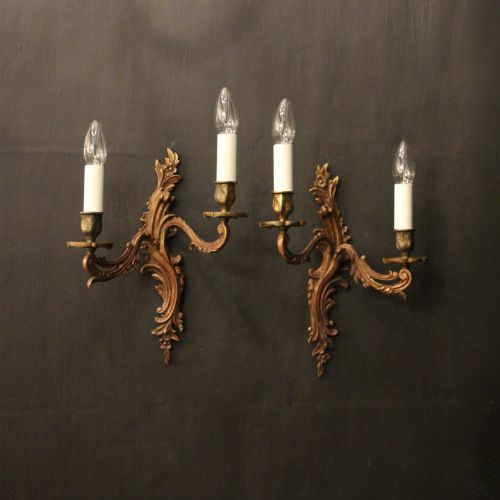
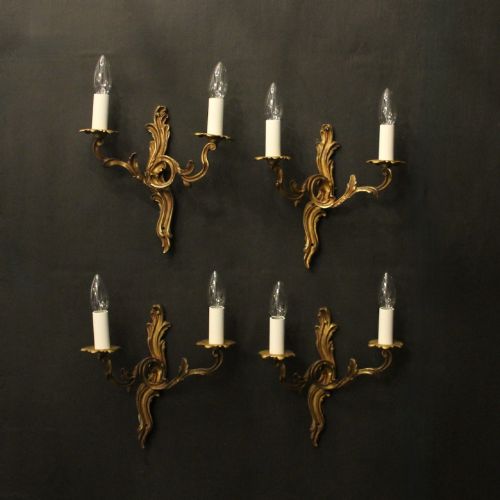
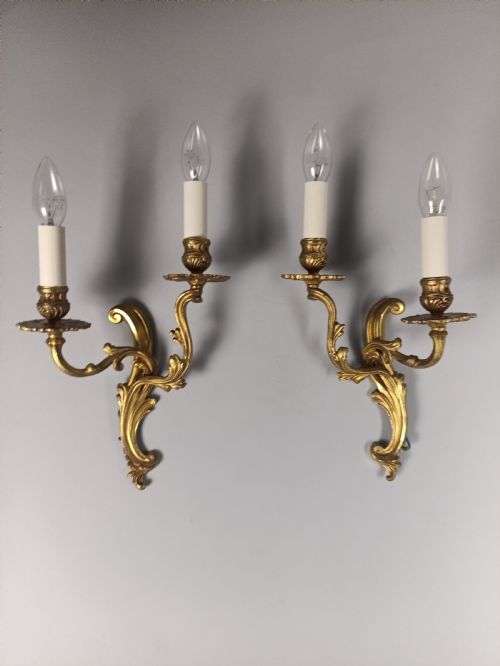
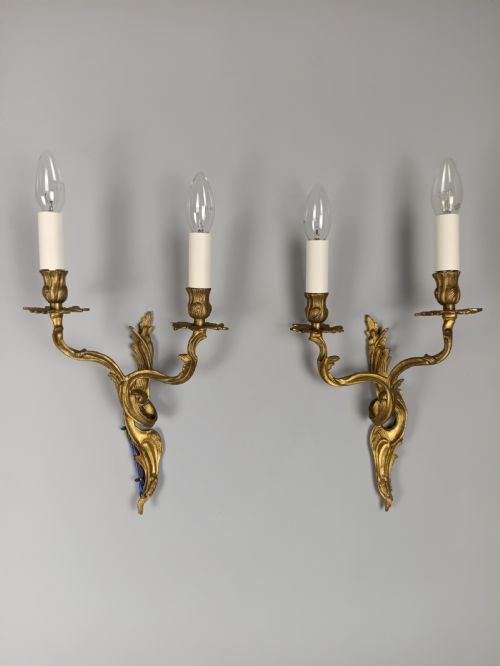
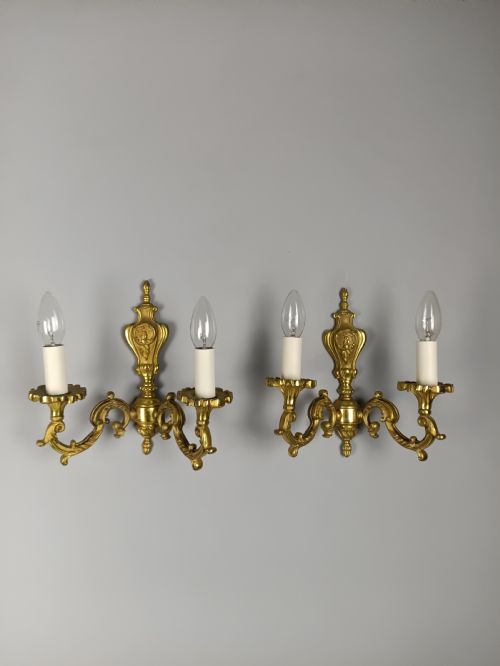
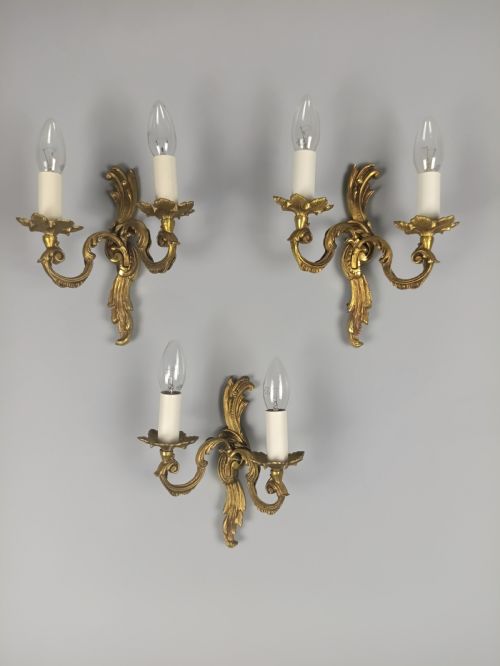
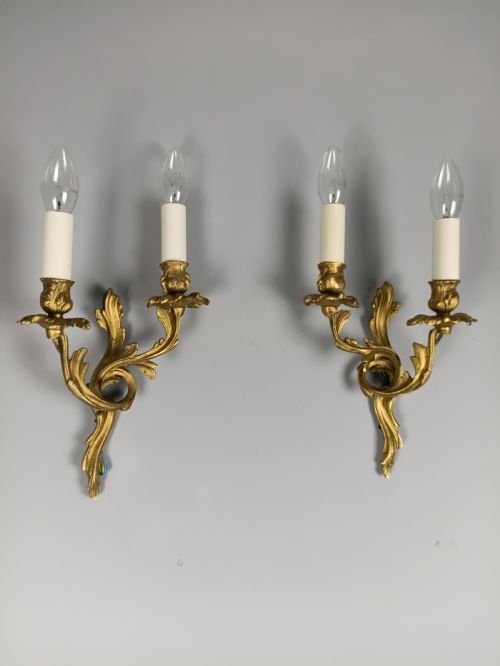
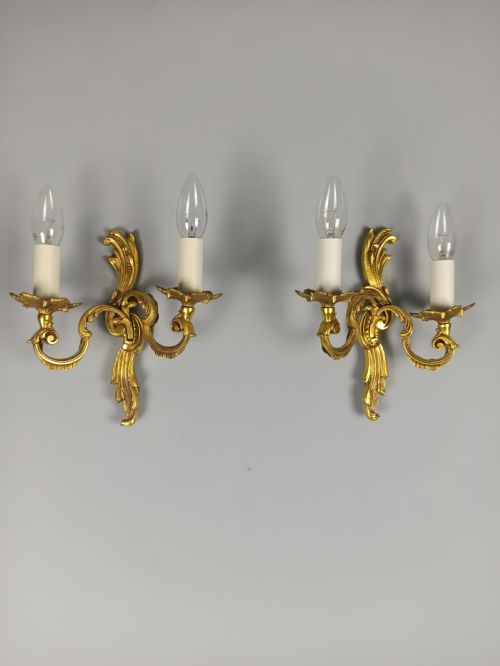
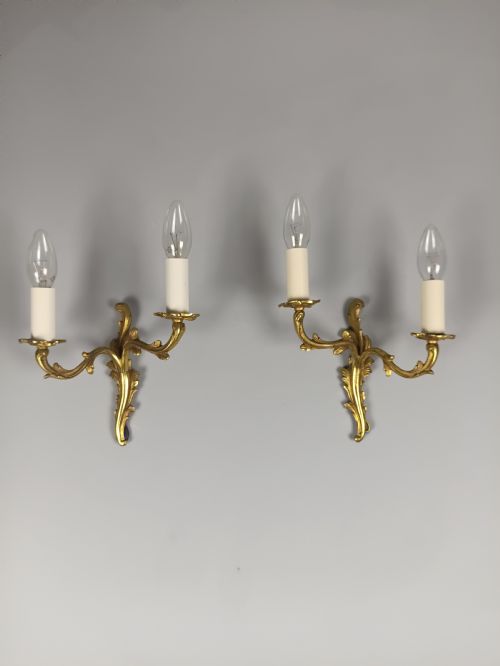
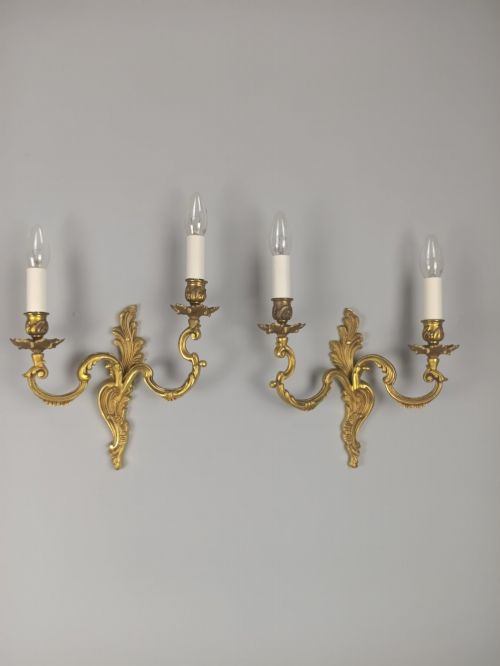
These rococo twin arm lights bring asymmetrical curves and abundant gilt finishes to interior walls, offering a distinct focal point for any room.
Rococo Twin Arm Lights
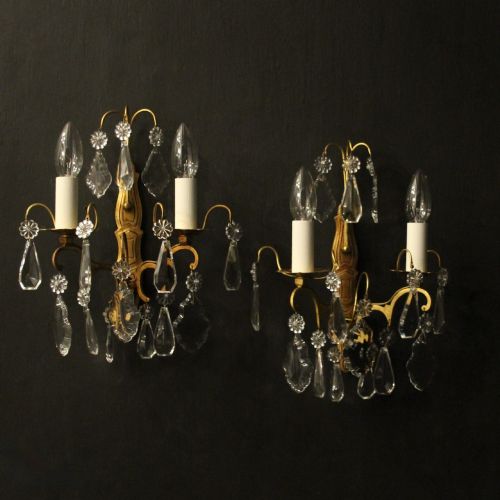
When searching for rococo twin arm lights, collectors encounter wall-mounted fixtures designed to hold two candles or bulbs across symmetrical or flowing arms. These objects primarily take the form of French and Italian wall sconces, girandoles, and candelabra originating from the nineteenth and early twentieth centuries.
The selection on this page relies heavily on early twentieth-century examples, particularly French pieces dated around nineteen thirty, alongside items spanning the eighteenth century to the nineteen thirties. Common variations include pairs and larger sets featuring ornate backplates, scrolling foliage, and occasionally figural elements like cherubs.
Makers and artisans from this tradition utilised styles such as French Rococo Revival and Florentine Baroque to create decorative lighting that projects outwards from the wall surface. Buyers often select these fixtures to complement period drawing rooms, dining spaces, or hallways requiring ornamental illumination.
How they were made
The primary materials recorded in these listings are brass, bronze, and gilt metal, shaped through casting and intricate hand-chasing. Craftsmen applied layers of gold leaf or gilt finishes over bronze and brass bases to achieve a bright, reflective surface that catches candle or electric light.
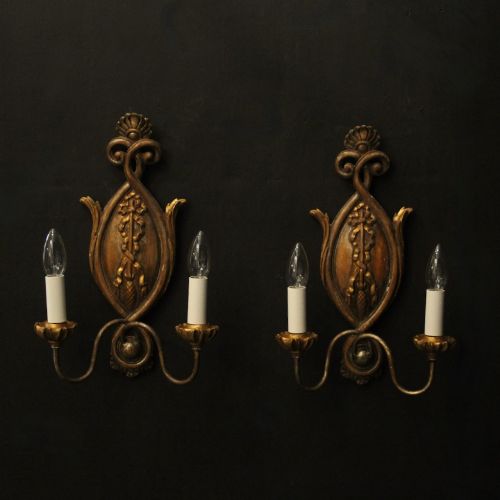
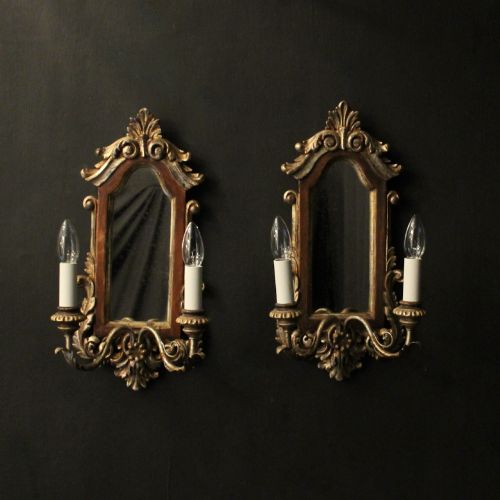
Carved wood also appears in Italian pieces, where artisans utilised giltwood and polychrome paint on wooden backplates. Metal components frequently combine cast backplates with articulated twin arms designed to swing or project from the mounting surface.
Secondary elements include marble bases on related candelabra and carved details such as cherubs integrated into the metal or wooden structures. Many surviving fixtures have undergone rewiring to adapt historical frames for modern electrical standards.
Rococo Twin Arm Lights Retail Price Guide 2026
Typical asking prices for rococo twin arm lights among the pieces listed under this phrase on Sellingantiques today, from the lower quarter to the upper quarter. They describe what is for sale here now, not the wider market.
Recorded periods range from the nineteenth century through Edwardian production to the nineteen thirties.
What varies in quality
The application and preservation of the original gilding dictate much of the visual character across the range. Hand-applied gilt bronze and fire-gilded ormolu maintain a rich, stable lustre over decades, while faded or heavily polished surfaces reveal the base metal underneath.
The structural integrity of the twin arms and the backplate mounting points also separates standard production items from finer workshop pieces. Heavier cast bronze variants provide greater rigidity and support compared to lighter gilt metal alternatives.
The Rococo Twin Arm Lights Glossary
- Ormolu
- Gilded bronze, typically produced by applying a mercury-gilding mixture to a cast bronze object before heating.
- Girandole
- An ornamental wall-mounted bracket holding candles or lights, frequently incorporating a mirror to reflect the illumination.
- Sconce
- A wall light fixed to a vertical surface, designed to project light outwards into a room using one or more arms.
- Giltwood
- Wood that has been coated with a thin layer of gold leaf or gold paint to simulate solid gold or bronze.
- Rococo
- An eighteenth-century style characterised by asymmetrical C-scrolls, shell motifs, and naturalistic plant forms.
Rococo Twin Arm Lights: Frequently Asked Questions
How were twin arm lights used?
These fixtures were mounted in pairs or sets on interior walls to provide ambient illumination in reception rooms and hallways. Historically, they held wax candles, with backplates serving to reflect the light and protect the wall fabric.
Over time, many examples have been adapted for electricity while retaining their original placement flanking mirrors, fireplaces, or doorways. Their primary function remains decorative, adding warmth and architectural depth to a space.
Are these lights wired for electricity?
Many surviving pieces from the twentieth century and earlier have been rewired to meet modern electrical installation standards. Listings frequently indicate whether a set has been updated for immediate installation in a home.
Buyers should consult a qualified electrician to ensure compatibility with current household wiring and wall fixings. Unconverted pieces may require professional rewiring before operational use.
How do I identify French rococo style?
French rococo designs are marked by asymmetrical compositions, flowing curves, and motifs derived from nature, such as acanthus leaves and shell patterns. The bronze and brass castings avoid straight lines in favour of sinuous C-scrolls and serpentine arm configurations.
This aesthetic emphasises theatrical movement and rich surface ornamentation. Pieces from later revival periods closely replicate these eighteenth-century forms using contemporary casting methods.
What is the difference between brass and bronze?
Bronze is an alloy of copper and tin, offering high durability and a heavy feel that permits sharp, detailed casting. Brass is an alloy of copper and zinc, which tends to be slightly lighter in weight and brighter in its natural metallic tone.
Both metals were frequently gilded or lacquered in antique lighting to create a uniform golden appearance. Bronze pieces generally command higher regard due to the finer detail achievable in the casting process.