



Rococo Silver Platter
These rococo silver platter examples bring grand 18th Century and Victorian craftsmanship to the table, offering ornate serving pieces for any display or formal dining setting.
Rococo Silver Platter
A rococo silver platter serves as a grand centrepiece for formal afternoon tea or presentation, bringing heavy ornamentation to the table. When searching for a rococo silver platter, collectors encounter diverse forms including trays and salvers spanning the Georgian and Victorian eras.
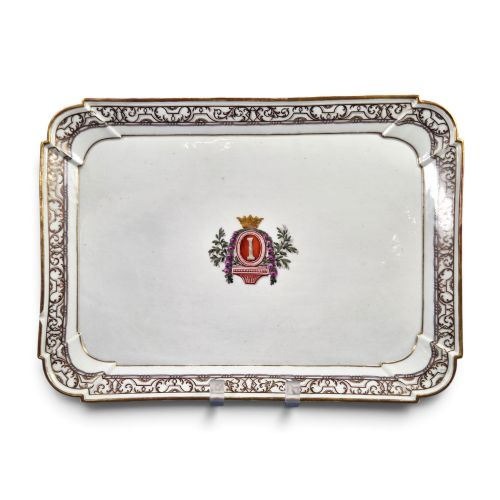
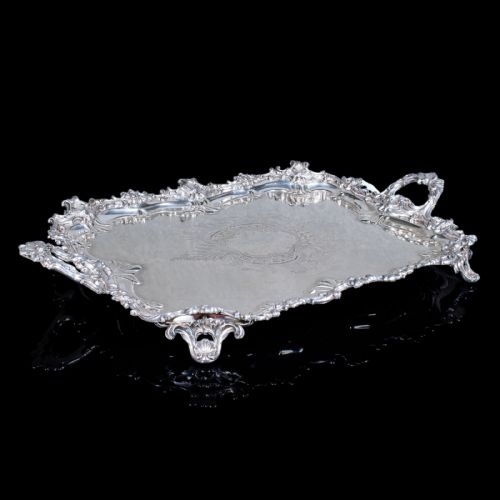
The objects on this page bridge multiple periods, taking shape as sterling silver, silver plate, and old Sheffield plate alongside porcelain. Examples range from mid 18th Century continental porcelain serving trays to late 19th Century English silver plated trays.
Makers utilised distinct regional styles, producing Scottish serving trays and English presentation pieces with matching stylistic cues. The primary aesthetic draws heavily on rococo revival motifs, featuring scrollwork and floral details that define the category.
Materials and construction methods
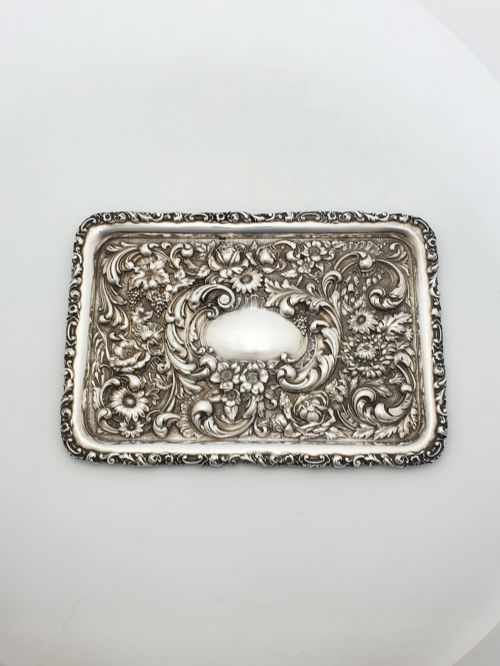
Silversmiths employed techniques such as repoussé to hammer intricate floral and scroll designs into the metal from the reverse. This labour-intensive process allowed makers to build high-relief ornamentation across sterling silver and silver plated surfaces.
Older pieces utilise old Sheffield plate techniques, fusing a thin layer of sterling silver over a copper base. Porcelain trays from factories like Ludwigsburg incorporate hand-painted details and crowned monograms fixed beneath a high glaze.
Rococo Silver Platter Retail Price Guide 2026
Typical asking prices for rococo silver platter among the pieces listed under this phrase on Sellingantiques today, from the lower quarter to the upper quarter. They describe what is for sale here now, not the wider market.
One porcelain tray bears a crowned monogram, ready for a royal tea party that ended centuries ago.
Distinguishing quality across the range
Quality rests upon the crispness of the repoussé work and the depth of the chased details across the rim and centre. Superior examples maintain sharp relief without softening from excessive polishing over generations.
The choice of base material and plating integrity dictates longevity, particularly in old Sheffield plate where the underlying metal reveals itself through heavy wear. Superior weight and balanced proportions signal careful manufacture during periods like the Georgian and Victorian eras.
Ludwigsburg Porcelain·Padley Parkin
The Rococo Silver Platter Glossary
- Repoussé
- A metalworking technique where the artisan hammers a design from the back to create a raised pattern on the front. This method defines the ornamented borders seen on many period trays.
- Old Sheffield Plated
- An early plating method fusing sterling silver to a copper core by heat and pressure. It creates a durable layered sheet used for luxury tableware before electroplating.
- Salver
- A tray used for serving food or drinks, or for presenting cards and letters. In silver, these often feature footed bases and decorative cast rims.
- Monogram
- A design made by overlapping two or more initials to form a single symbol. Many royal and presentation pieces feature these engraved or painted marks.
- Rococo Revival
- A design style from the 19th Century that reinterprets 18th Century asymmetrical scrollwork, shells, and naturalistic flora. It dominates the decorative language of late Victorian serving trays.
Rococo Silver Platter: Frequently Asked Questions
What is a rococo silver platter?
A rococo silver platter is a decorative serving tray or salver characterised by ornate, asymmetrical scrolls, shell motifs, and floral repoussé work. These items function primarily as display pieces or formal serving platters for afternoon tea.
Items in this category span several centuries, originating from Georgian workshops through to Victorian and Edwardian manufacturing centres. They appear in materials ranging from solid sterling silver to old Sheffield plate and porcelain.
How do I care for silver plated trays?
Silver plated and sterling items require gentle cleaning with non-abrasive silver polishes to preserve the thin metallic layers and chased details. Regular dusting prevents tarnish accumulation in the recessed areas of the repoussé work.
Avoid harsh chemical dips that strip the character from older surfaces, particularly on old Sheffield plate where the copper base might become exposed. Store pieces in dry environments away from direct sunlight to maintain the finish.
How are Georgian and Victorian pieces told apart?
Georgian platters often display hand-wrought construction with subtle individual variations from the maker's bench. The silver weight and engraving styles tend to reflect strict classical or early rococo proportions.
Victorian and Edwardian examples frequently utilise heavier machine-assisted stamping alongside hand-chasing, resulting in deeper relief and highly complex floral borders. Hallmarks stamped into the metal provide the most reliable dating evidence for these periods.
What were silver salvers used for originally?
Silver salvers served as formal vessels for presenting visiting cards, letters, or small drinks to guests in wealthy households. Servants carried them through drawing rooms to manage social correspondence and refreshment.
Over time, these trays transitioned into display items showcasing the wealth and taste of the owner during afternoon tea and dining rituals. Their decorative rims prevented items from sliding during service.