





Rococo Oak Table
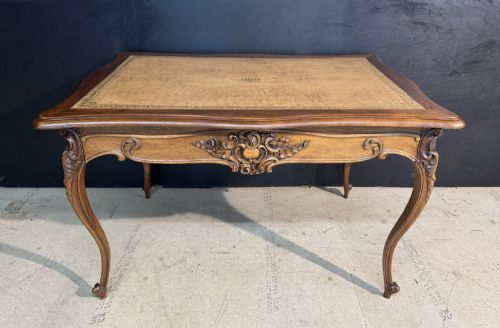
A rococo oak table brings flamboyant carved curves and robust timber together into a striking centrepiece for any reception room.
Rococo Oak Table
When you search for a rococo oak table, you encounter pieces spanning from the eighteenth century through to later revival periods like the Victorian era and the nineteen-thirties. These tables incorporate French provincial and chateau influences, translating continental design into heavy hardwood.
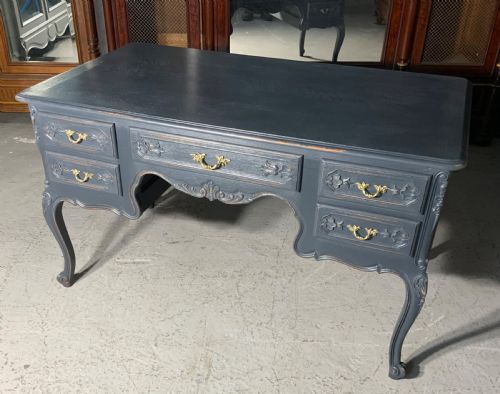
The forms on this page range from console and centre tables to writing desks and dressing tables. Most examples display carved ornamentation alongside serpentine fronts or stretcher bases, drawing on Louis XV inspiration executed in oak, burr oak, and occasionally bleached timbers.
You are most likely to meet nineteenth-century revival interpretations alongside vintage French style pieces from the early twentieth century. These items blend domestic utility with expressive, asymmetrical decorative carving along the skirts and legs.
How they were made
Makers constructed these tables primarily from solid oak and burr oak, sometimes integrating brass hardware or leather inserts. Woodworkers relied on traditional joinery techniques to support heavy tabletops above intricate, carved supports.
Carvers shaped the timber by hand to achieve the characteristic asymmetric scrolls, foliage, and serpentine outlines associated with rococo revival styles. Certain pieces feature painted surfaces or bleached finishes applied to the oak or pine structures.
Rococo Oak Table Retail Price Guide 2026
Typical asking prices for rococo oak table among the pieces listed under this phrase on Sellingantiques today, from the lower quarter to the upper quarter. They describe what is for sale here now, not the wider market.
Current listings feature oak, burr oak, and bleached pine, spanning the eighteenth century to nineteen-thirty in various French and English regional styles.
What varies in quality
The distinction between ordinary and superior pieces rests on the depth and crispness of the carved woodwork. Finely executed foliage and scrollwork retain sharp relief, whereas lesser examples show softer, shallower detailing across the frieze and legs.
Material selection also defines the tier of a piece, with figured burr oak or well-matched solid timber planks commanding greater presence than plain or heavily altered boards. Structural integrity in the stretcher base and joints determines how well the table withstands daily use.
The Rococo Oak Table Glossary
- Serpentine front
- A furniture front curving inward centrally and outward at the ends, creating a fluid wave shape typical of rococo design. This profile demands precise woodworking to follow the curved line.
- Stretcher
- A horizontal timber connecting the legs of a table to provide structural stability. On these tables, stretchers often feature central carvings or shaped arches.
- Console table
- A table designed to stand against a wall, frequently secured to it or supported by front legs. These items often feature decorative carving on the front and sides only.
- Centre table
- A freestanding table finished on all sides for placement in the middle of a room. These pieces allow a full view of the carved work from any angle.
- Rococo revival
- A nineteenth-century design movement resurrecting the flamboyant, asymmetric ornamentation of the eighteenth-century Louis XV period. It favours natural motifs, C-scrolls, and shell patterns.
Rococo Oak Table: Frequently Asked Questions
Where should I place a console table?
A console table fits naturally against a hallway wall or beneath a mirror in a living room. Because these pieces are designed with decorated front aspects, they anchor narrow spaces without protruding too far into the floor plan.
They also serve as functional surfaces for lamps or decorative objects. Their stylistic detailing ensures they catch the eye immediately upon entering a room.
Are centre tables meant for daily use?
Centre tables function well for everyday placement of books, decorative items, or drinks provided you use appropriate coasters. Their sturdy construction handles normal household activities while serving as a prominent room focal point.
Consider the delicacy of the carved edges when placing items near the perimeter. Distributing weight evenly preserves the structural longevity of the antique frame.
How can I distinguish revival pieces from earlier items?
Distinguishing revival pieces from earlier centuries relies on examining tool marks, timber shrinkage, and construction methods. Nineteenth and twentieth-century revival tables often show machine assistance alongside hand finishing, whereas eighteenth-century examples display entirely hand-wrought joinery.
Hardware styles, secondary woods used in drawers, and the consistency of the patination also offer clues. Consulting the listed period provides a reliable baseline for identification.