




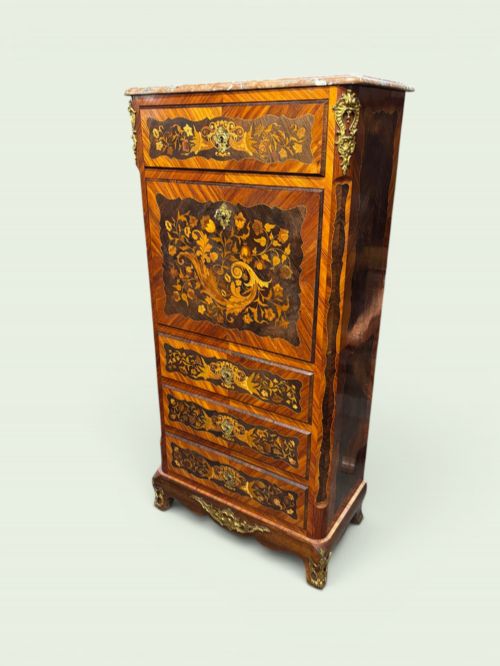
Rococo Marble Cabinet
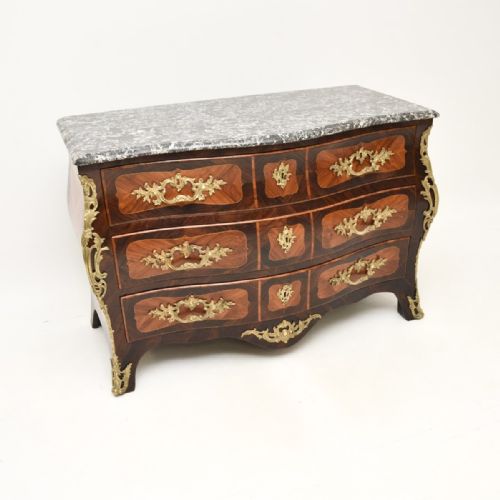
A rococo marble cabinet brings together serpentine timber forms, polished stone surfaces and cast metal mounts in the French Louis XV manner.
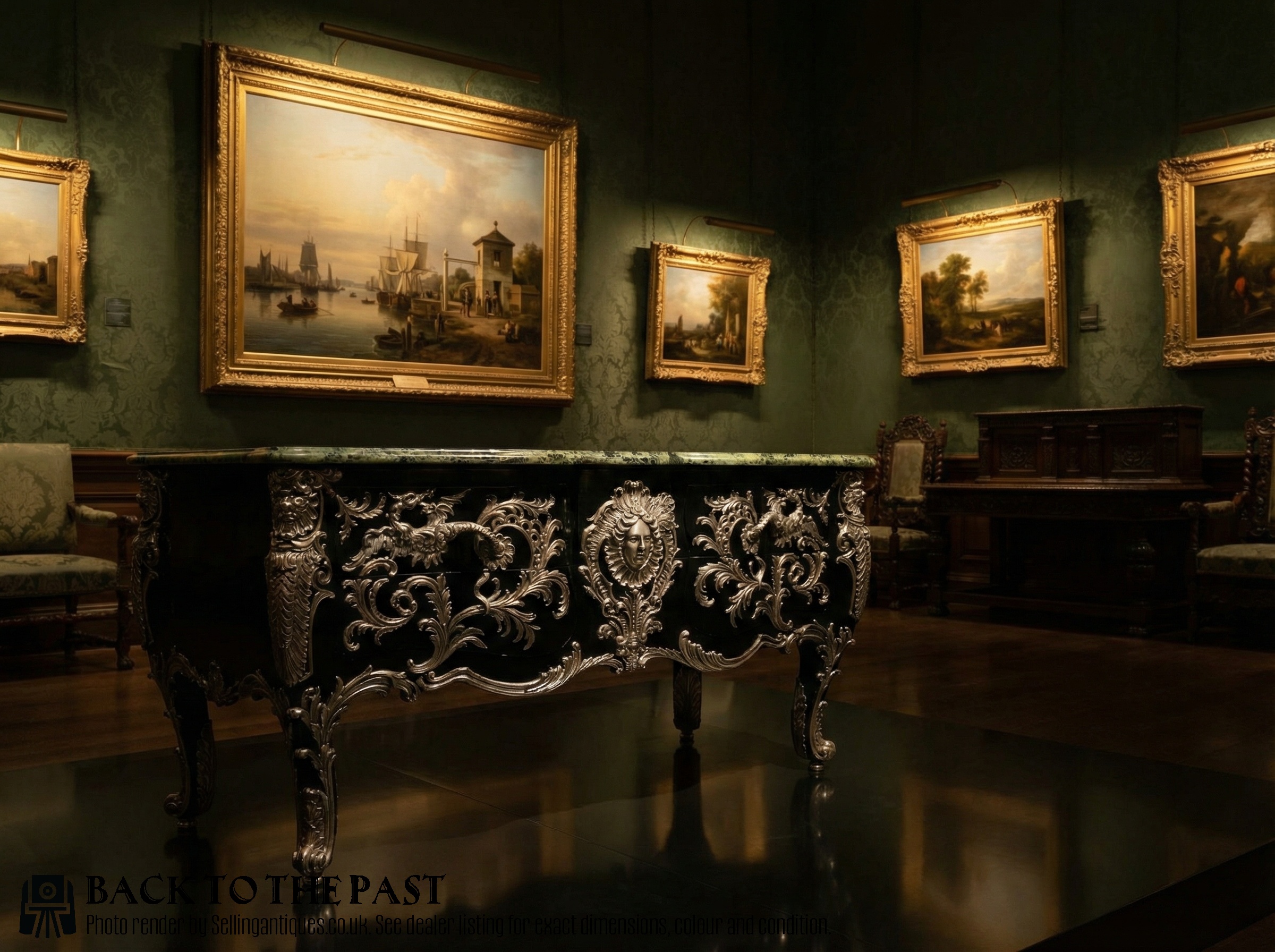
Rococo Marble Cabinet
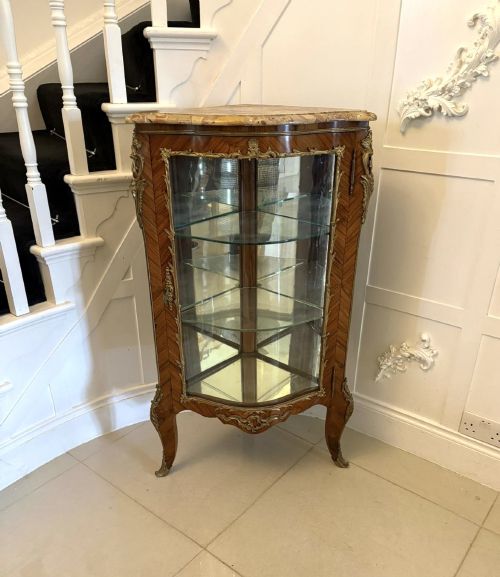
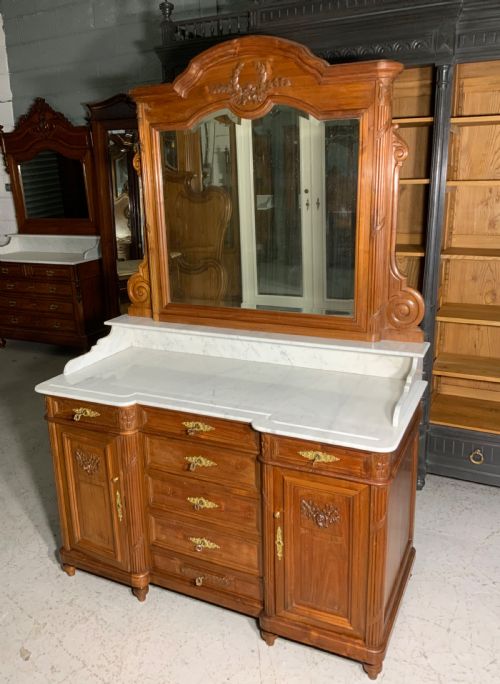
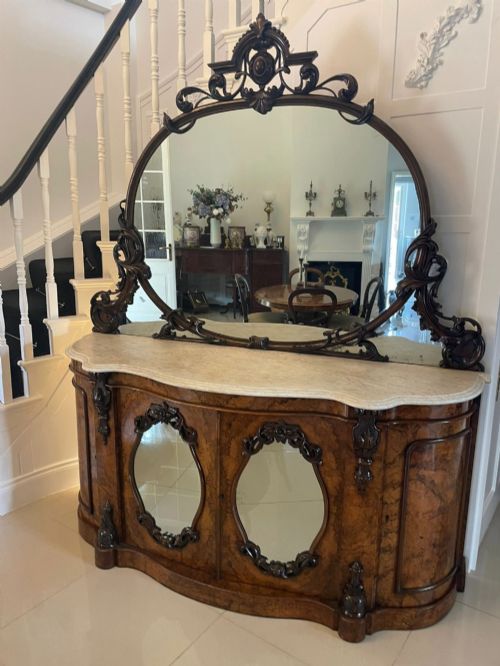
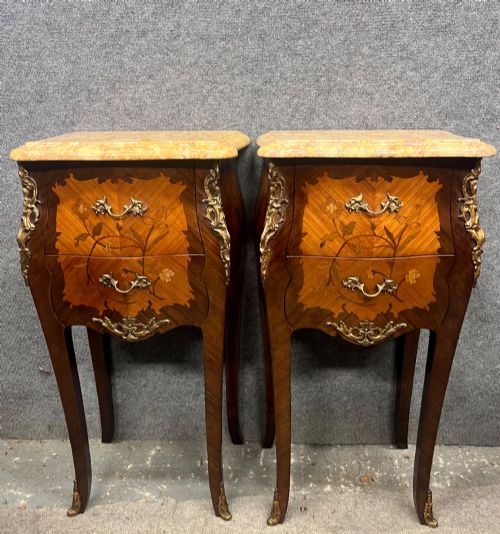
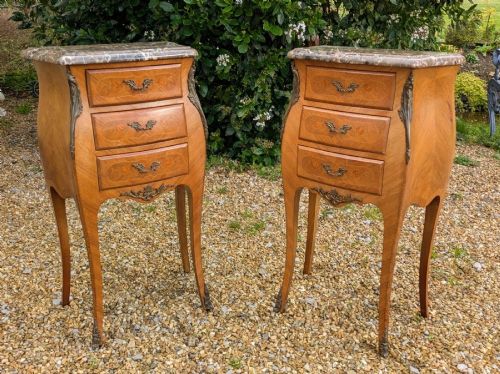
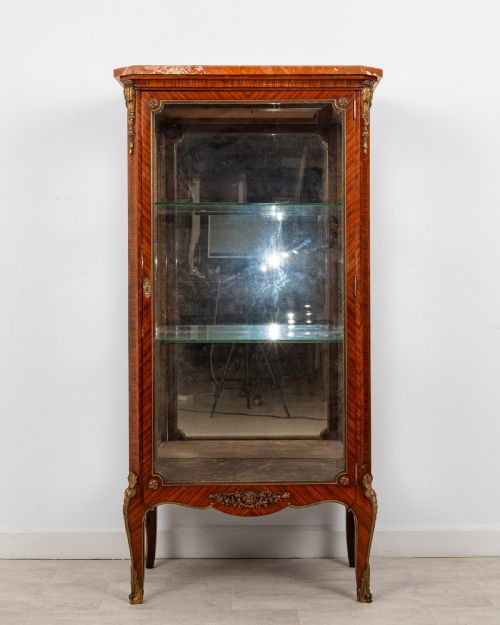
When searching for a rococo marble cabinet, buyers encounter a diverse selection of French and Italian storage furniture spanning from the eighteenth century into the twentieth century. The primary forms include commodes, bedside chests, display cabinets, and credenzas shaped with serpentine or bombé contours.
The eighteenth-century origins of the style inspire later nineteenth-century revivals and twentieth-century interpretations. Walnut, kingwood, and mahogany provide the carcases for these pieces, whilst inset marble tops define the upper surface.
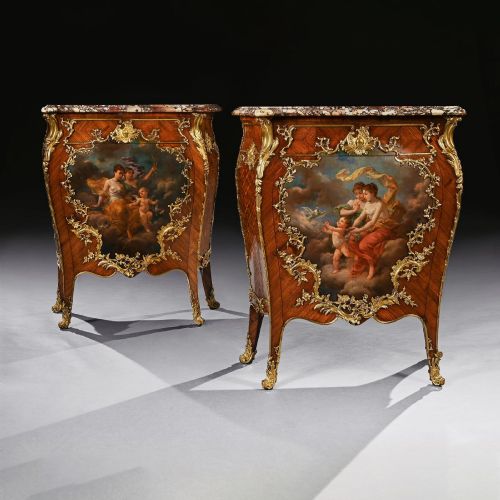
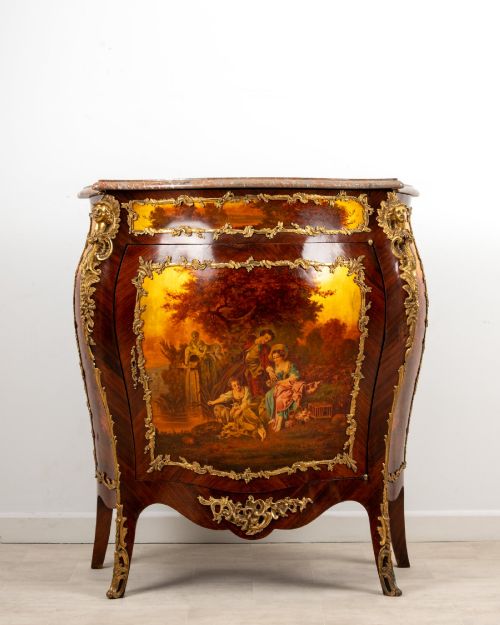
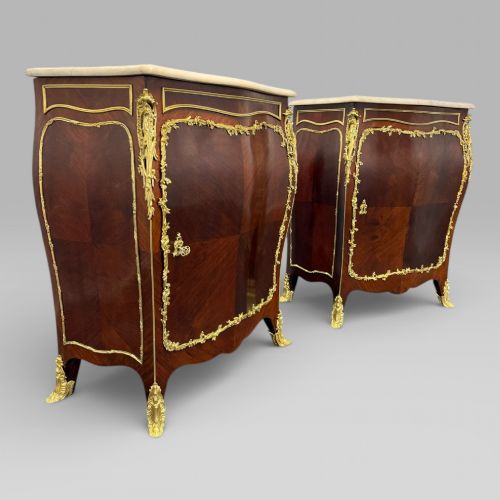
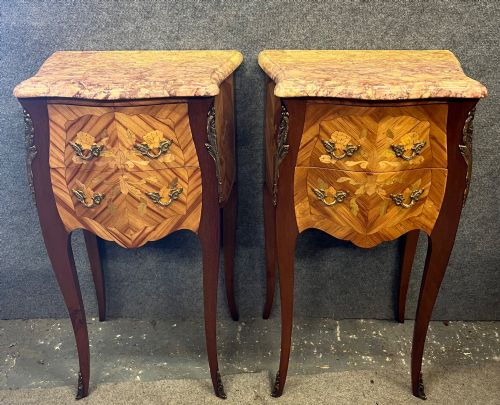
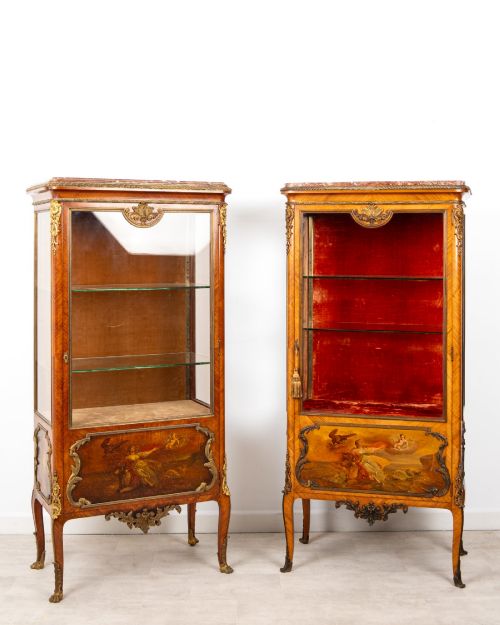
Buyers most frequently meet nineteenth-century revival pieces finished with marquetry, Vernis Martin painted panels, and gilt bronze or ormolu mounts. These variations range from compact bedside tables to large display vitrines and sideboards.
How they were made
Cabinetmakers constructed the carcases using timbers such as walnut, kingwood, rosewood, and mahogany, often applying intricate marquetry or tulipwood veneers in geometric and floral patterns. Selected pieces incorporate Japanned lacquer or painted Vernis Martin panels depicting Chinoiserie scenes.
Heavy marble slabs, shaped to match the serpentine or bombé outlines of the furniture, sit upon the upper surfaces. Gilt bronze and ormolu mounts, cast and chased with rocaille scrollwork, frame the corners, handles, and aprons to accentuate the curved silhouettes.
Rococo Marble Cabinet Retail Price Guide 2026
Typical asking prices for rococo marble cabinet among the pieces listed under this phrase on Sellingantiques today, from the lower quarter to the upper quarter. They describe what is for sale here now, not the wider market.
What varies in quality
The standard of a piece rests upon the crispness of the bronze casting and the precision of the timber veneers. Finer examples display deeply chased ormolu mounts that integrate seamlessly with the carcase contours.
The selection and thickness of the marble top, alongside the intricacy of the marquetry inlay or hand-painted Vernis Martin details, distinguish standard production from exceptional cabinetmaking.
Jacques Bircklé·E. Kahn·François Linke
The Rococo Marble Cabinet Glossary
- Ormolu
- Gilt bronze mounts applied to furniture. This technique involves coating cast bronze with a layer of gold amalgam and heating it to bond the finish.
- Vernis Martin
- A simulated Japanese lacquer developed in France. Artisans applied multiple layers of varnish to create decorative painted panels on cabinets.
- Bombé
- A swelling, outward-curving furniture shape. This contour requires skilled carpentry to shape the timber carcase.
- Serpentine
- A line that curves inward centrally and outward at the ends. This profile appears frequently on the fronts of commodes and display cabinets.
- Marquetry
- Inlaid wood veneers forming decorative patterns. Craftsmen fit contrasting timbers together to picture floral motifs or geometric designs.
- Commode
- A low chest of drawers. These storage pieces often feature marble tops and ornate metal mounts.
Rococo Marble Cabinet: Frequently Asked Questions
How do I identify a revival piece?
Revival pieces often date from the nineteenth or early twentieth centuries and emulate earlier eighteenth-century French styles. Examining the timber construction and mount casting helps indicate the period.
Cabinetmakers of the later nineteenth century reproduced Louis XV aesthetics using machine-sawn veneers alongside traditional hand-chasing.
Where should I place a bedside cabinet?
These compact cabinets suit domestic bedrooms as functional lamp tables or nightstands with enclosed storage. Their stone tops provide a durable surface for lighting and personal items.
Matching pairs appear frequently in nineteenth and twentieth-century production, allowing symmetrical placement beside a bedstead.
How do I care for the marble top?
Marble surfaces require gentle cleaning with mild soap and water to preserve the polished finish. Avoid acidic substances that can etch the stone.
Using coasters and mats protects the natural material from stains while maintaining the decorative appearance of the display cabinet.