


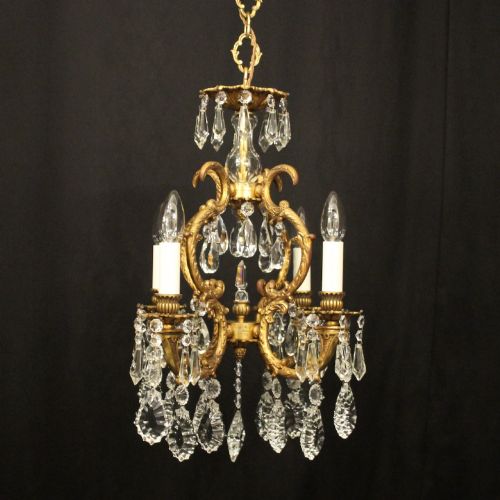
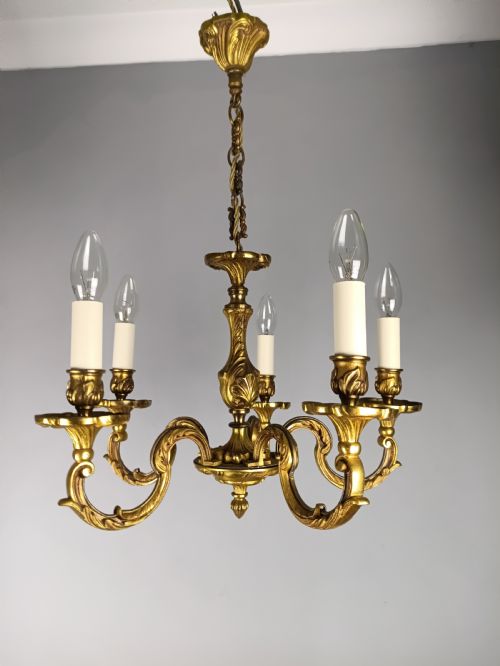
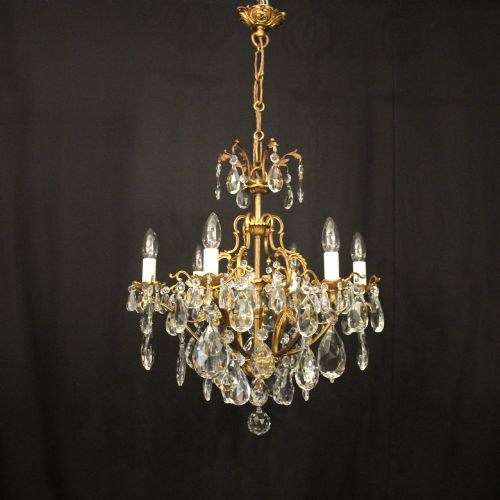
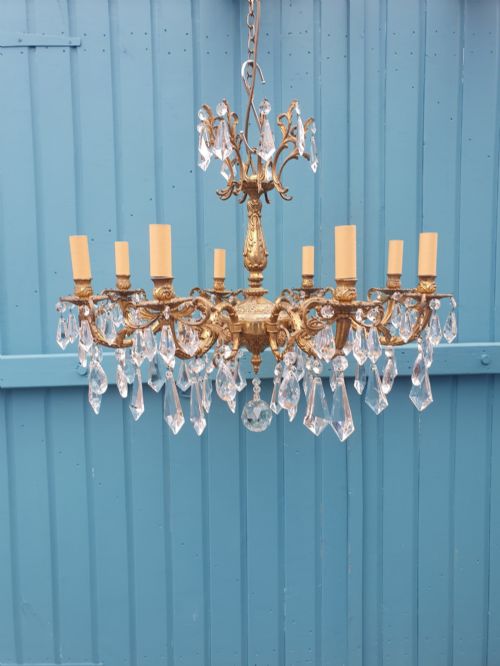
Rococo Bronze Ceiling Pendant
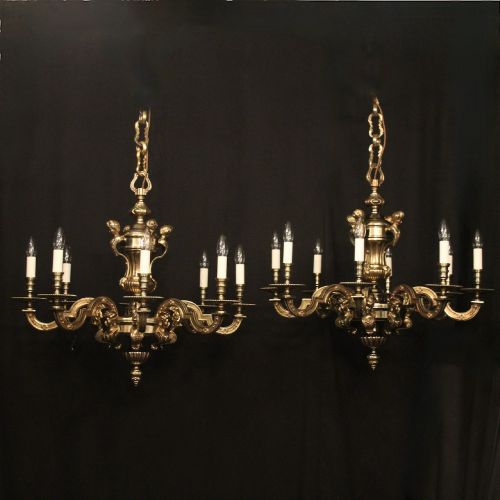
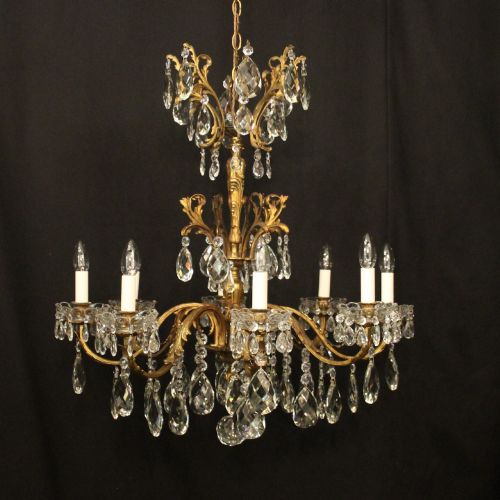
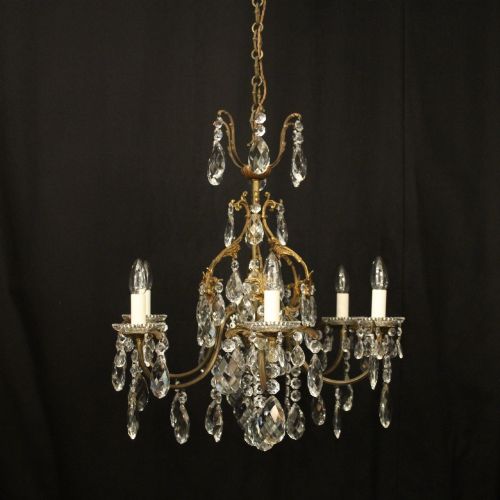
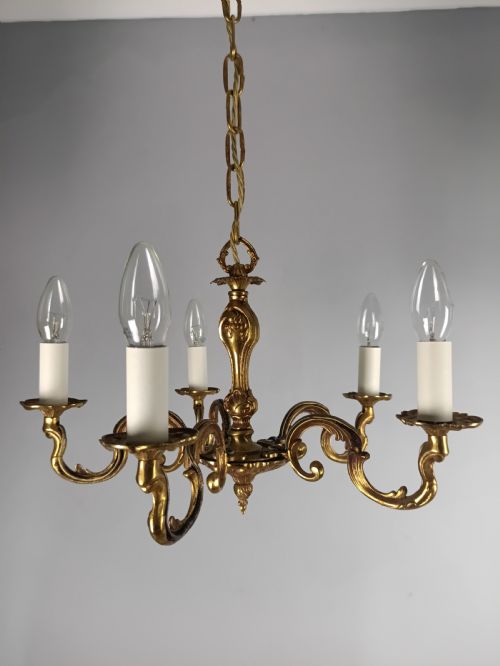
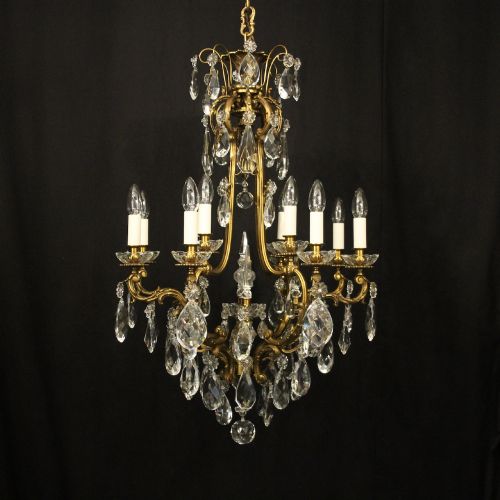
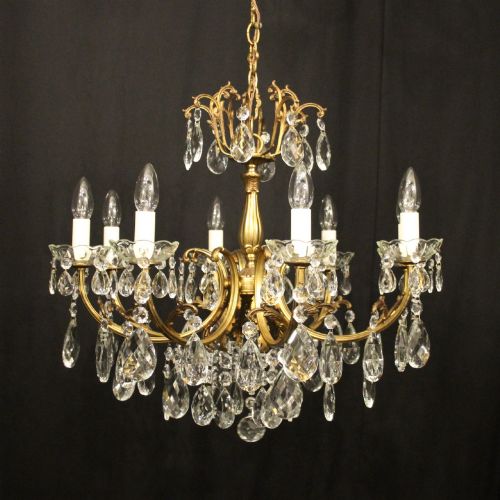
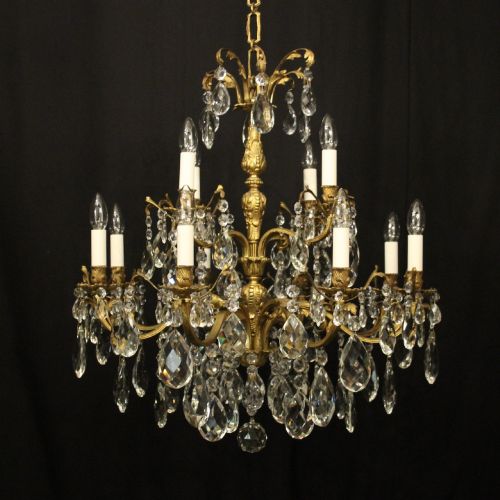
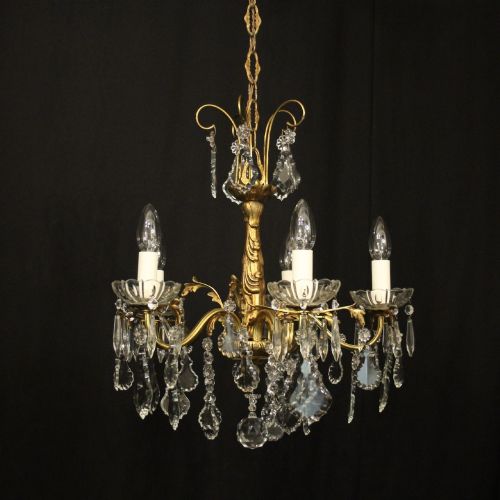
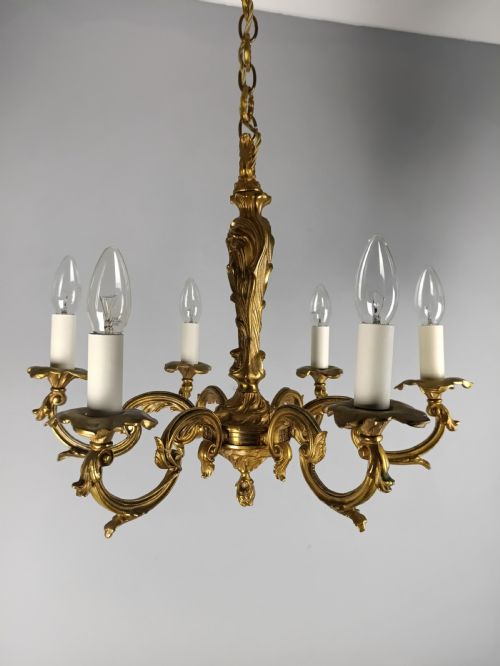
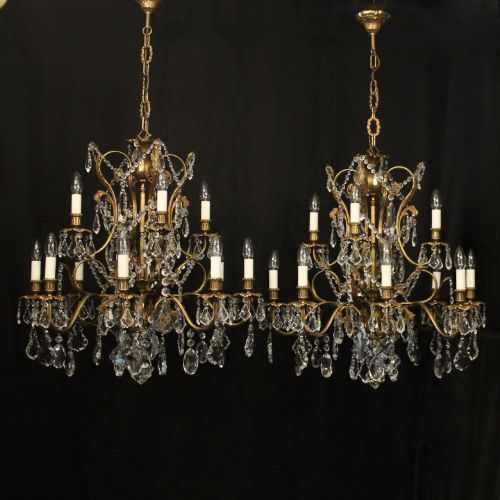
A rococo bronze ceiling pendant brings extravagant French styling and ornate metalwork to interior lighting schemes through multiple candle arms and hanging crystal drops.
Rococo Bronze Ceiling Pendant
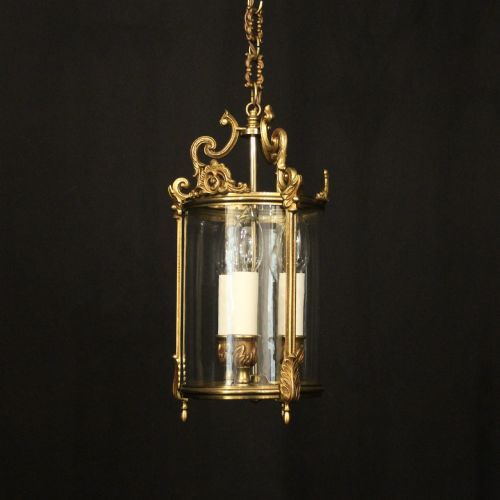
A rococo bronze ceiling pendant encompasses elaborate hanging light fixtures, chandeliers, and hall lanterns originating primarily from French and Italian workshops across the nineteenth and early twentieth centuries. These pieces typically take the form of multi-light chandeliers or enclosed lanterns designed to illuminate grand reception rooms and hallways.
Buyers encountering this phrase will find creations spanning from the nineteenth century through to the interwar decades of the nineteen-thirties. The grouping frequently highlights French aesthetic traditions, pairing cast metal structures with glass droplets, crystal spikes, and decorative candle-tubes.
Materials and construction methods
Construction relies upon metal casting techniques using bronze, brass, and spelter to form the primary structural frames, arms, and decorative mounts. Many components receive surface treatments including fire gilding, silver gilding, or dark patination to achieve a rich metallic finish.
Glass and crystal elements are integrated extensively alongside the metal frames, taking the form of cut glass drops, crystal spikes, and bowls. These transparent components refract light from the internal bulb holders or candle tubes, suspended via delicate wire linkages.
Rococo Bronze Ceiling Pendant Retail Price Guide 2026
Typical asking prices for rococo bronze ceiling pendant among the pieces listed under this phrase on Sellingantiques today, from the lower quarter to the upper quarter. They describe what is for sale here now, not the wider market.
Listings span periods from the nineteenth century through to nineteen-thirty, utilising materials including gilt bronze, crystal, brass, and dark bronze.
Distinguishing quality across the range
The refinement of the cast metalwork dictates the primary distinction between pieces, where finely chased foliage and crisp surface detailing mark superior production. Lesser examples exhibit softer contours and simpler junctions where individual cast sections join together.
The integration of crystal elements also separates the tiers, with dense arrangements of hand-cut drops and complex multi-tiered configurations representing higher workmanship. Simpler frames carrying minimal glass components offer a more restrained appearance.
The Rococo Bronze Ceiling Pendant Glossary
- Gilt bronze
- Bronze that has been coated with a thin layer of gold to produce a bright metallic finish. It resists tarnishing and maintains a warm yellow sheen over decades.
- Chandelier
- A branched ceiling-mounted lighting fixture designed to hold multiple lamps or candles. These fixtures often incorporate glass or crystal drops to enhance light dispersion.
- Hall lantern
- An enclosed hanging light fixture typically suspended in entryways or corridors. They feature protective glass panels surrounding internal light sources within a decorative metal frame.
- Louis XV style
- A decorative design movement characterised by asymmetric scrolls, floral motifs, and organic curves. This aesthetic heavily influences the ornamentation found on nineteenth-century French lighting.
- Spelter
- A zinc alloy utilised as a substitute for bronze in decorative metalwork. It accepts metallic finishes well while offering a lighter and more pliable casting medium.
Rococo Bronze Ceiling Pendant: Frequently Asked Questions
How do I hang a heavy antique chandelier?
Suspension requires securing the fixture directly into ceiling joists or structural timber using heavy-duty fixings rated for the total weight of the metal and crystal components.
Professional electrical installation ensures the internal wiring safely supports the designated number of lights without overloading domestic circuits.
What rooms suit a hall lantern?
Hall lanterns function effectively in entranceways, stairwells, and corridors where vertical hanging space allows the fixture to illuminate transitional zones.
Their enclosed design protects the internal light sources from drafts while casting patterned shadows through the glazed panels.
How are different periods identified?
Dating relies upon examining the casting sharpness, the style of the metal patination, and the cut of any crystal drops attached to the frame. Nineteenth-century examples often feature heavier cast components compared to later twentieth-century interpretations.
Wiring styles and socket types also provide clues regarding when the fixture was assembled or subsequently adapted for modern electricity.
Can missing crystal drops be replaced?
Replacement glass drops and crystal spikes can be sourced to match the dimensions and cut of the original components on the fixture. Matching the exact age and refractive quality of existing glass maintains the visual unity of the piece.