


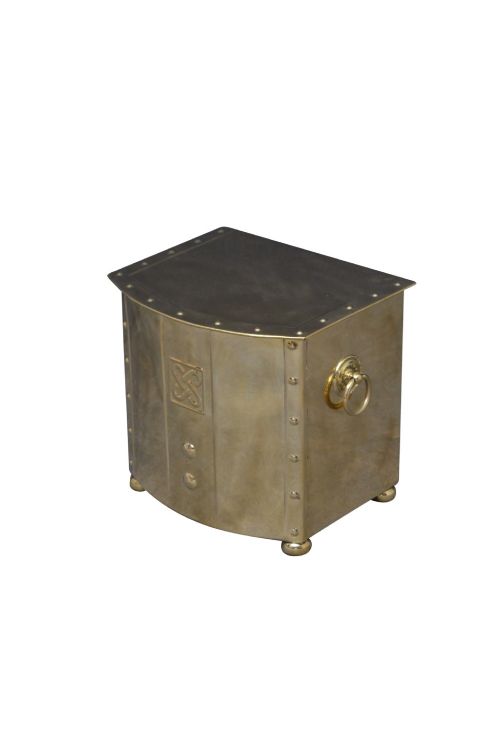
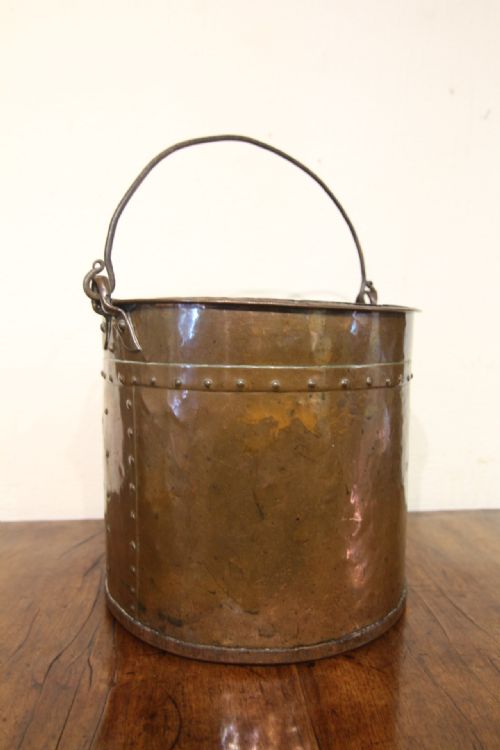


Riveted Metal Bucket
A riveted metal bucket brings industrial utility into the domestic interior, offering robust construction and enduring character.
Riveted Metal Bucket
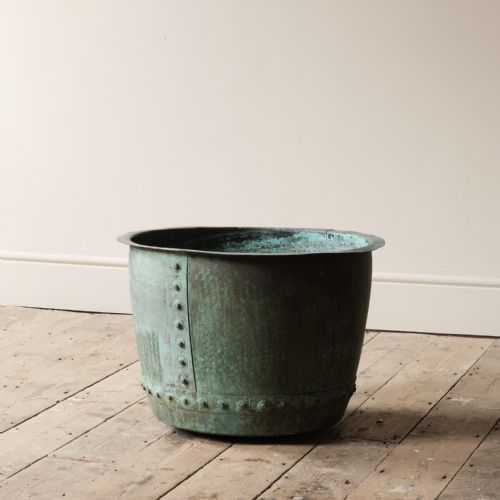
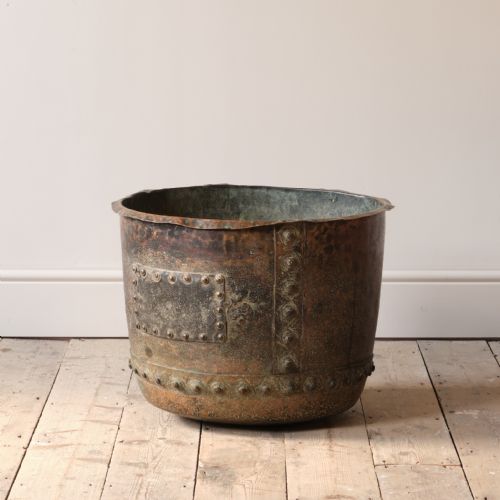
A riveted metal bucket is a utilitarian vessel built to handle heavy loads of fuel or waste, most commonly found here as nineteenth century and Victorian copper or brass coal buckets, log bins, and grain measures. These vessels served functional roles by the hearth or in the yard before finding favour as decorative planters and fireside accessories.
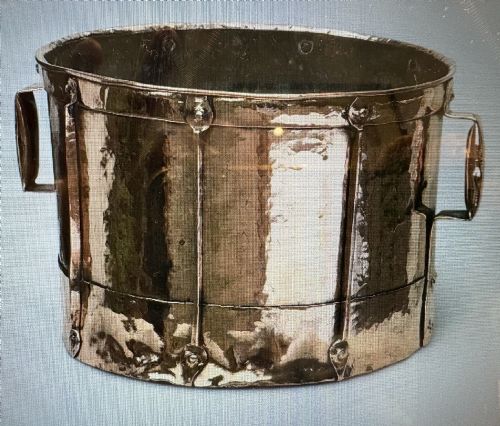
The selections span Georgian origins through to later Arts and Crafts and Art Deco examples, with heavy copper and wrought iron holding a dominant presence. Buyers encounter everything from tall cylindrical boilers to oval lidded bins and handled pans.
Makers shaped these containers primarily for practical service, utilising robust metal plates joined with visible rivets to ensure strength under daily strain. Their subsequent adoption for domestic firesides transformed working gear into classic interior furnishings.
What varies in quality
Quality rests in the weight of the metal plate and the regularity of the riveting along the seams. Heavier copper and thick wrought iron handles distinguish substantial pieces intended for heavy service from lighter decorative iterations.
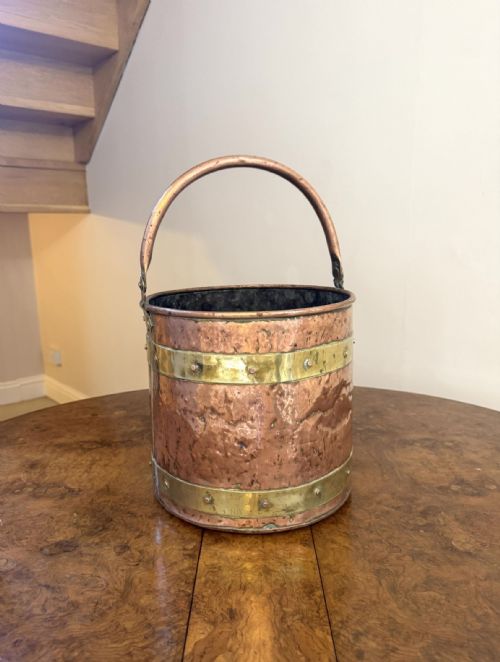
Proportion and the integration of contrasting brass bands or swing handles also separate standard utilitarian items from finer examples designed for formal reception rooms. The integrity of the original construction dictates how well a bucket holds its form over centuries of use.
Riveted Metal Bucket Retail Price Guide 2026
Typical asking prices for riveted metal bucket among the pieces listed under this phrase on Sellingantiques today, from the lower quarter to the upper quarter. They describe what is for sale here now, not the wider market.
Materials across the selection range from heavy copper and brass to wrought iron and galvanised steel.
The Riveted Metal Bucket Glossary
- Ferrat
- A traditional French measure or container, frequently fashioned from heavy copper with distinctive riveted construction. These pieces often serve modern interiors as planters or log holders.
- Coal scuttle
- A specialised bucket or box designed for holding and transporting domestic coal to the fireplace. They often feature specific spouts or swing handles for controlled pouring.
- Log bin
- A large container utilised for storing firewood beside a hearth. They appear in materials ranging from wrought iron to heavy nineteenth century copper.
- Planter
- A vessel adapted from its original industrial or agricultural purpose to hold growing plants. Metal buckets and jardiniere forms are frequently repurposed in this manner.
Riveted Metal Bucket: Frequently Asked Questions
How do I clean a copper bucket?
Wash the surface gently with warm soapy water and a soft cloth to remove accumulated dust and grime.
Avoid harsh abrasives that strip the aged patina, leaving the natural oxidation intact.
Were these buckets used for coal?
Many of these vessels served directly beside the hearth for holding domestic coal or kindling. Their robust riveted construction easily withstood the heavy weight of solid fuel.
Other examples functioned as agricultural grain measures or household boilers before entering the domestic living space.
Can I use an antique metal bucket outside?
Copper and brass withstand sheltered outdoor environments well, developing a rich atmospheric tone over time. Galvanised steel and iron items require monitoring to prevent active rusting in damp conditions.
Most buyers choose to keep these pieces indoors as planters or log bins to preserve their historic surfaces.
How do I date an old metal bucket?
Look closely at the forming techniques, handle attachments, and the style of the rivets used along the seams. Georgian and early Victorian pieces often display heavier hand-beaten construction and wrought iron fittings.
Later nineteenth and early twentieth century examples show more uniform industrial rolling and machine-finished components.