





Riveted Copper Tub
A riveted copper tub is a heavy utilitarian vessel forged for practicality, offering robust warmth and industrial character to modern interiors.
Riveted Copper Tub
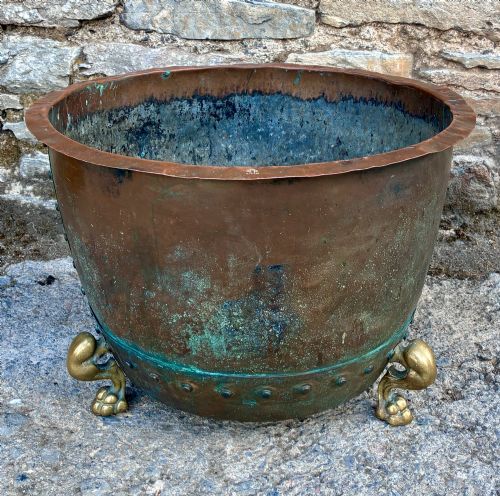
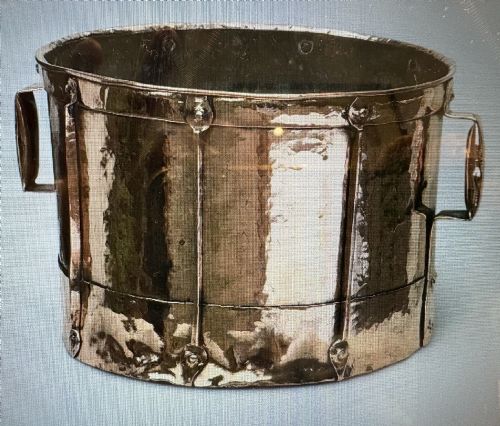
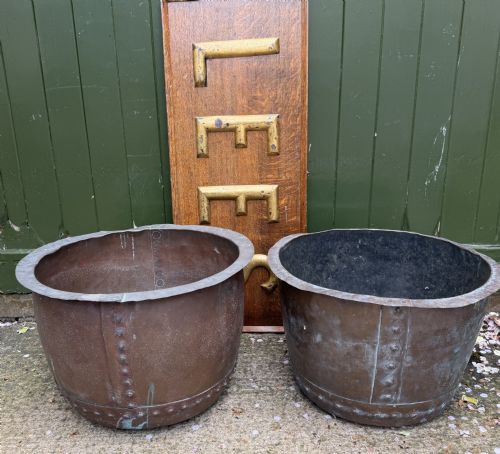
When you search for a riveted copper tub, you encounter a variety of nineteenth-century utilitarian vessels designed for domestic or agricultural labour. These range from heavy copper boilers and grain measures to large garden display pots and log bins.
The most common forms on this page originate from the nineteenth century, including Victorian examples and French country pieces. They serve well today as planters, log baskets, or decorative storage in rustic farmhouse and industrial settings.
How they were made
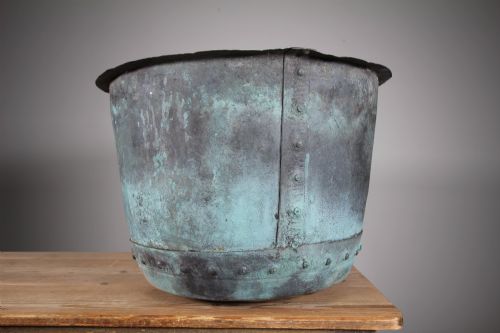
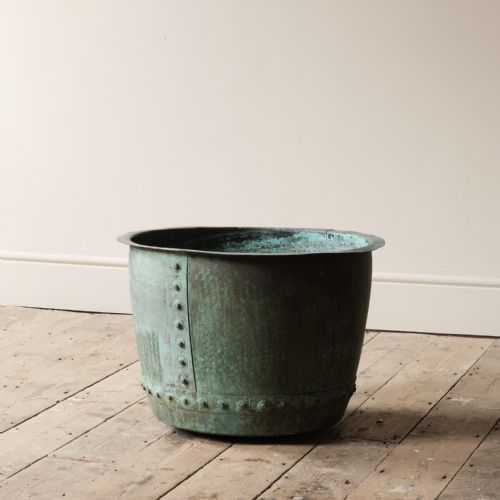
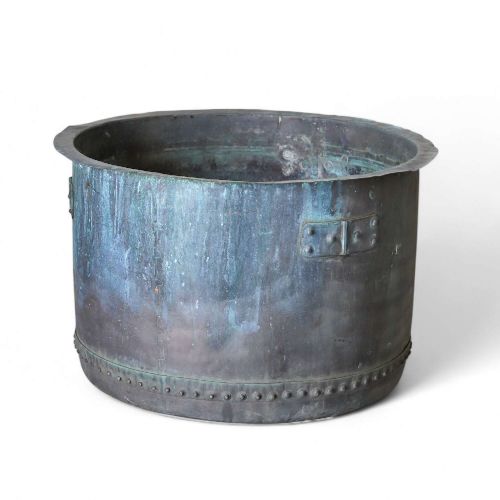
These vessels are constructed primarily from hammered copper sheets joined with hand-driven metal rivets, often reinforced with iron or brass bands for structural strength. The reliance on visible rivets reflects a purely functional origin before mass production took over.
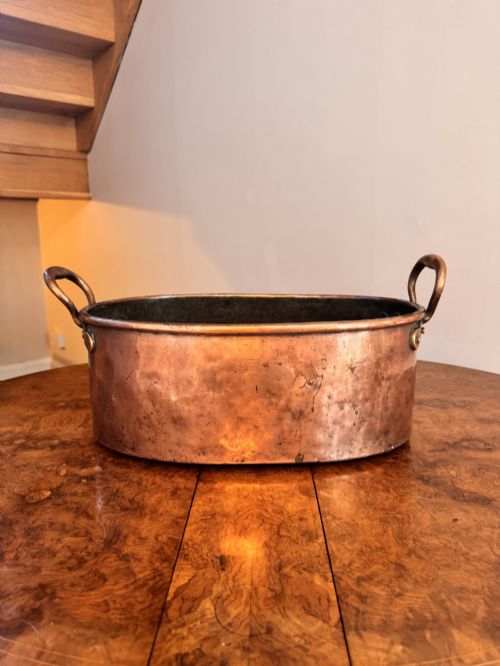
Makers shaped the metal by hand to form deep cylindrical or oval bodies, occasionally incorporating brass handles or lids. The exterior surfaces frequently display the natural patina and verdigris accumulated over decades of use.
Riveted Copper Tub Retail Price Guide 2026
Typical asking prices for riveted copper tub among the pieces listed under this phrase on Sellingantiques today, from the lower quarter to the upper quarter. They describe what is for sale here now, not the wider market.
Some nineteenth-century copper boilers still carry the soot of long-forgotten washhouse fires on their bases.
What varies in quality
Quality in these vessels rests upon the thickness of the copper sheet and the integrity of the hand-formed rivets. Heavier gauge metal and substantial size distinguish utilitarian kitchen or farm vessels from lighter decorative items.
The character of the surface finish also plays a role, where honest weathering, rich natural patina, and undisturbed verdigris elevate the visual appeal of an antique piece over sterile, over-polished surfaces.
The Riveted Copper Tub Glossary
- Riveted
- A method of joining metal plates where metal pins are inserted through aligned holes and hammered flat. This technique ensures a durable, permanent bond essential for holding heavy loads of water or grain.
- Ferrat
- A traditional French copper measure or container used in agriculture. These vessels often feature characteristic side handles and heavy construction.
- Patina
- The surface sheen and colour acquired by copper through age, oxidation, and handling. A rich natural patina indicates genuine antiquity and prolonged exposure to the elements.
- Verdigris
- The green crust or patina that forms on copper and brass through atmospheric oxidation. Collectors prize this chemical alteration for its visual depth and historic authenticity.
Riveted Copper Tub: Frequently Asked Questions
What were riveted copper tubs used for?
These vessels served demanding domestic and agricultural tasks such as boiling laundry, brewing, and measuring grain or holding farm produce.
Their heavy construction allowed them to withstand constant exposure to moisture and heat during daily work.
How do I clean an antique copper tub?
Most collectors prefer to leave the natural patina and verdigris intact because it bears witness to the object's age and history.
If cleaning is necessary, use a mild cleanser formulated for copper rather than harsh abrasives that strip the surface character.
Can I use an antique copper tub outside?
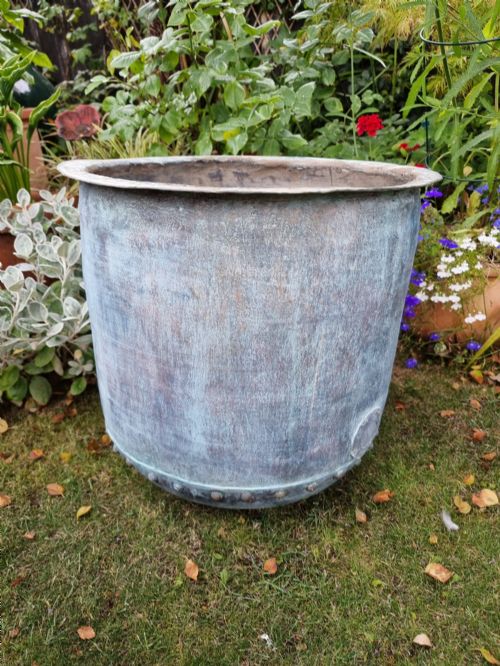
Many of these vessels function well outdoors as garden display pots or large planters for shrubs and flowers.
Copper naturally resists heavy weathering, though prolonged contact with moist soil will continue to develop the verdigris surface.
How do I identify a nineteenth-century copper piece?
Nineteenth-century examples display hand-hammered seams secured with individual metal rivets rather than modern machine welding.
Examining the weight of the metal and the irregular details of the hand-formed shape helps distinguish genuine period items.