



Rich Brown Study Table
A rich brown study table anchors a room with deep timber tones and practical form.
Rich Brown Study Table
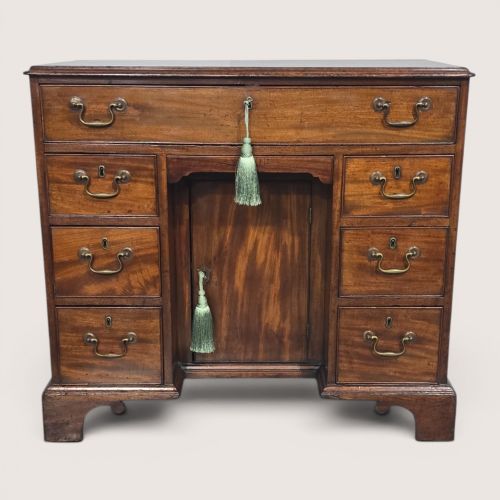
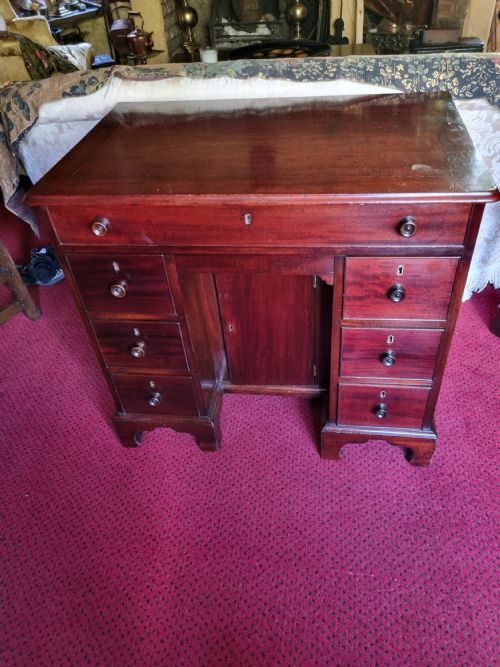
A rich brown study table brings functional workspace into domestic interiors through writing tables, desks, and kneehole desks. These pieces span the eighteenth century, the Regency period, and the Victorian and Edwardian eras, reflecting enduring forms for writing and study.
Buyers encounter forms equipped with drawers and fitted compartments, designed for the study or library. The predominant dark timber palette unifies these desks across different centuries of cabinet making.
What varies in quality
Quality separates standard utilitarian desks from exhibition pieces through the selection of timber figures and decorative veneers. Burr walnut and figured mahogany show superior grain choice, whereas standard pieces rely on plain solid mahogany.
Execution of drawer construction and secondary detailing marks the difference between workshops. Superior examples integrate finely turned pulls, clean dovetailing, and careful integration of brass and bone elements.
Rich Brown Study Table Retail Price Guide 2026
Typical asking prices for rich brown study table among the pieces listed under this phrase on Sellingantiques today, from the lower quarter to the upper quarter. They describe what is for sale here now, not the wider market.
Bone details occasionally appear alongside brass hardware, adding a subtle touch of unexpected contrast.
The Rich Brown Study Table Glossary
- Mahogany
- A durable hardwood prized for its rich reddish brown colour and stability in furniture construction. It served as the primary timber for Georgian and Victorian desks.
- Kneehole desk
- A form featuring a central recess for the user's legs, flanked by pedestals of drawers. This configuration offers substantial storage while maintaining a compact footprint.
- Burr walnut
- Timber cut from the warted growths of walnut trees, yielding highly ornamental swirling grain patterns. It decorates the surfaces of high-status Victorian writing tables.
- Writing table
- A freestanding table designed primarily for correspondence, typically fitted with one or more frieze drawers. These pieces distinguish themselves from heavier bureau cabinets by their open underframes.
Rich Brown Study Table: Frequently Asked Questions
How do I date a mahogany desk?
Dating relies on observing structural characteristics, timber selection, and hardware styles associated with periods from the eighteenth century to the early twentieth century. Georgian and Regency pieces show different leg forms and drawer construction compared to Victorian or Edwardian examples.
Examining secondary woods inside the drawers and the methods used for dovetailing helps confirm the era of manufacture. Subtle shifts in design preferences across these centuries guide the identification process.
What is the difference between a desk and a writing table?
Desks often feature banks of drawers below the work surface, such as pedestals in kneehole formats, providing permanent storage for papers and stationery. Writing tables tend to be lighter, freestanding forms with drawers integrated into the rail beneath the top.
Both serve similar functional needs within a study, but writing tables generally present a more open profile. Historical naming conventions sometimes overlap between the two categories in older listings.
How do I care for leather desk inserts?
Leather surfaces require gentle cleaning with a slightly damp cloth, avoiding harsh chemical cleaners that dry out the material. Conditioning balms help maintain suppleness and prevent cracking over time.
Keeping the writing surface away from direct sunlight preserves the rich colour of the leather. Regular dusting prevents debris from abrading the vintage finish during daily use.
Are these tables suitable for modern laptops?
Historic writing tables and desks accommodate modern laptops easily, provided the working height and surface area match your ergonomic needs. Compact Georgian and Edwardian forms fit well in contemporary home offices.
Care should be taken to protect antique timber and leather surfaces from heat and scratches generated by electronic devices. Using a protective blotter preserves the original finish while you work.