





Rewired Brass Lighting
Rewired brass lighting brings period illumination back to daily use, pairing safety with historical form.
Rewired Brass Lighting
When you search for rewired brass lighting, you encounter period fixtures that have received modern electrical wiring to make them safe and ready for installation. These items combine the utility of traditional illumination with the reassurance of contemporary internal components.
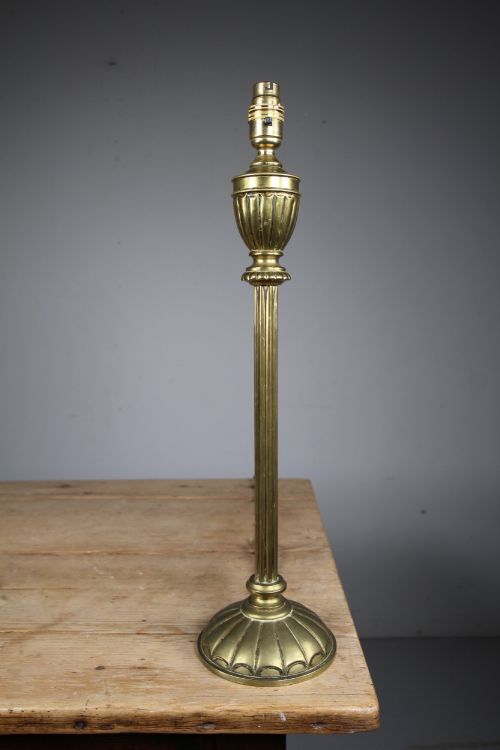
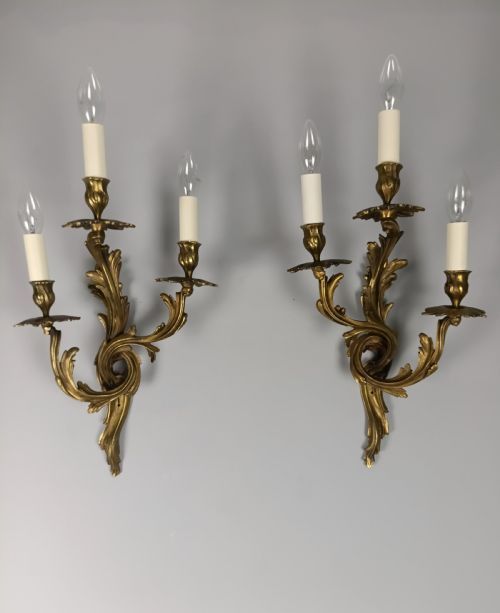
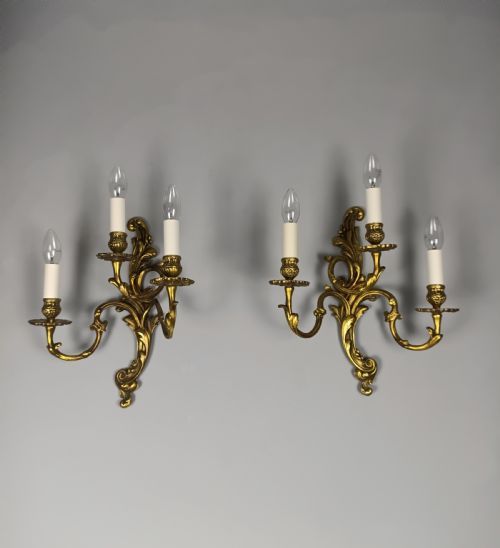
The selection here draws heavily from the Edwardian era and the 1930s, alongside nineteenth-century French designs. You will frequently meet wall lights, table lamps, floor lamps, and chandeliers constructed from brass, gilded bronze, and gilt brass.
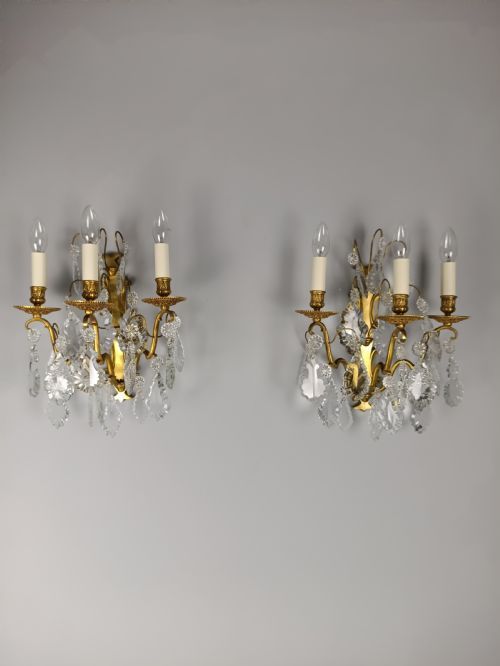
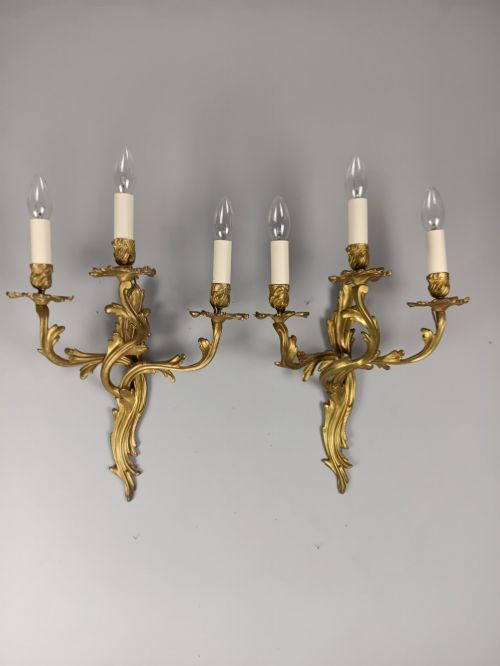
French Rococo and Baroque styles dominate the decorative wall sconces, often incorporating cut crystal or glass drops. English pieces tend towards tall table lamps, standard lamps, and student reading lamps in plain brass or silver plate.
How they were made
Makers shaped these fixtures using cast and spun brass, gilt bronze, and silver plating. Metal components were frequently chased, engraved, or gilded to create ornate surface detail on items like French wall lights and carriage lamps.
Glass and crystal elements, including etched glass shades and cut crystal drops, were integrated into branches and lanterns to diffuse the light. Modern rewiring is subsequently introduced to these original metal and glass bodies to permit safe use.
Rewired Brass Lighting Retail Price Guide 2026
Typical asking prices for rewired brass lighting among the pieces listed under this phrase on Sellingantiques today, from the lower quarter to the upper quarter. They describe what is for sale here now, not the wider market.
Several wall lights feature triple arms designed to make a modest hallway look like a Parisian salon.
What varies in quality
Quality rests in the crispness of the metal casting and the depth of the original gilding or plating. Finer pieces display sharply defined Rococo scrollwork and substantial bronze or brass weight rather than thin, pressed sheet metal.
The integrity of the glass components and the harmony between the period frame and the modern rewiring installation further separate standard examples from exceptional ones.
The Rewired Brass Lighting Glossary
- Gilt bronze
- Bronze that has been coated with a thin layer of gold or gold-coloured alloy. This technique yields a durable, warm metallic surface found on French eighteenth- and nineteenth-century lighting.
- Wall sconce
- A bracket fixture fixed to a wall for holding one or more lamps or candles. These often project outwards with multiple arms in Rococo or Baroque styles.
- Gasolier
- A branched chandelier originally designed for gas lighting. Many surviving examples have been converted to electricity.
- Telescopic standard lamp
- A floor lamp with an adjustable height mechanism operating on a sliding brass shaft. This form allowed users to alter the height of the light source.
- Famille verte
- A Chinese ceramic palette dominated by green enamel colours. Pieces decorated in this style occasionally form the ceramic body of converted table lamps.
Rewired Brass Lighting: Frequently Asked Questions
Are these lights safe to install?
Every piece listed has been rewired to bring the internal electrical components up to modern standards. This ensures the vintage metalwork can be connected safely to a contemporary domestic circuit.
Professional installation by a qualified electrician remains recommended for heavier wall sconces and large chandeliers.
How do I clean brass lighting?
Dust metal components regularly with a soft, dry cloth to prevent the buildup of grime on intricate castings. Avoid abrasive chemical cleaners that can strip original gilding or patination.
Gilded bronze and lacquered brass require particularly gentle care to preserve their historic surfaces.
How do I date a brass lamp?
Dating relies on stylistic clues such as the asymmetrical scrolls of French Rococo wall lights or the cleaner lines of 1930s modernist table lamps. Construction methods, including the type of casting and screw threads, also indicate the period of manufacture.
Materials like Edwardian silver plate or nineteenth-century gilt bronze help narrow down the decade.