

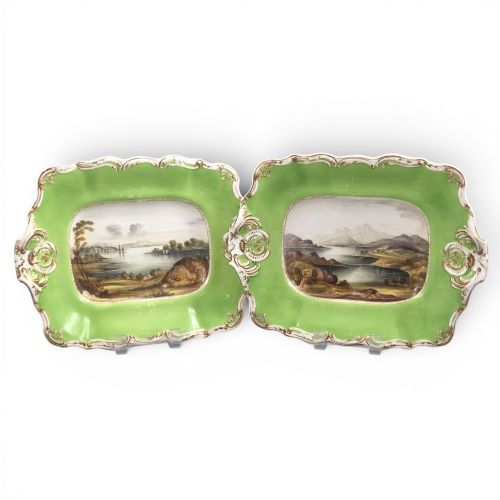


Revival Serving Tray
A revival serving tray brings historical design into formal hospitality through rich woods and polished metals.
Revival Serving Tray
A revival serving tray represents the Victorian, Edwardian, and later historical revivals that reimagined earlier centuries for functional modern use. These pieces borrow the aesthetics of Georgian, Sheraton, and Rococo styles to create ornamental yet practical items for hosting.
Most examples encountered on this page date from the nineteenth and early twentieth centuries, spanning periods such as Victorian, Edwardian, and the nineteen-twenties. They manifest as standalone handles, platters, or fitted tops for occasional tables and trolley stands.
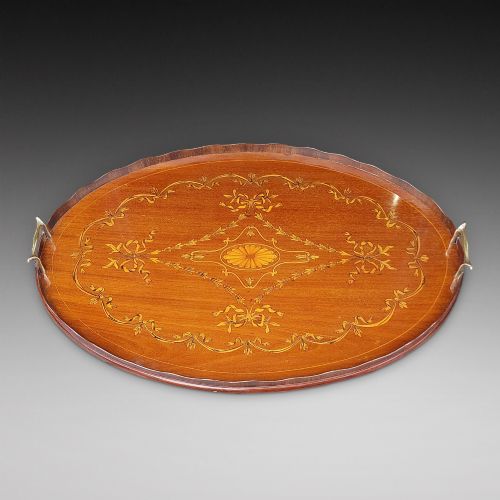
Makers drew heavily upon established historical motifs, translating classical proportions and decorative marquetry into everyday domestic accessories. A buyer finds both timber constructions inlaid with exotic woods and metal variants featuring silver plate or brass galleries.
How They Were Made
Makers utilised dense timbers like mahogany, satinwood, and burr yew, frequently applying intricate marquetry and fine stringing to form geometric or pictorial surface patterns. Workshops also employed silver plate over copper, alongside cast brass for galleries and handles.
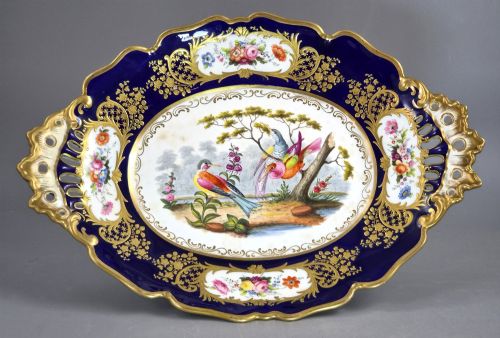
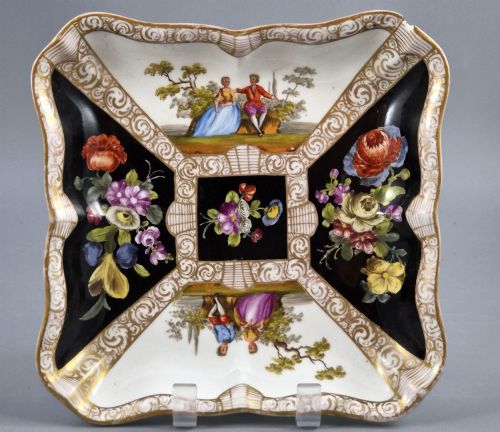
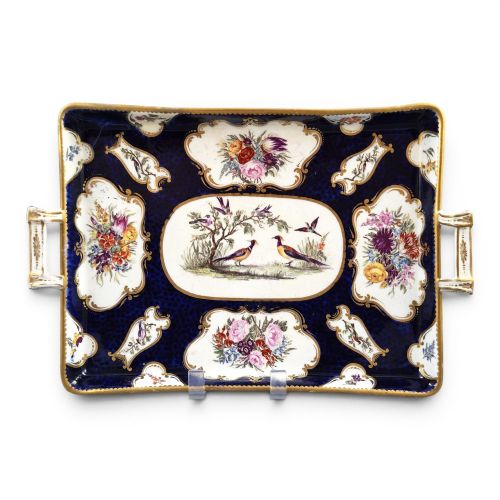
Porcelain and enamel inserts occasionally feature within the wooden frames, painted with exotic birds or pastoral scenes in the manner of established porcelain houses. Gold leaf and gilding highlight the decorative borders and handles of both metal and wooden items.
Revival Serving Tray Retail Price Guide 2026
Typical asking prices for revival serving tray among the pieces listed under this phrase on Sellingantiques today, from the lower quarter to the upper quarter. They describe what is for sale here now, not the wider market.
Listings feature woods including mahogany, satinwood, and burr yew alongside silver plate, brass, and hand-painted porcelain inserts.
What Varies in Quality
Quality rests in the crispness of the inlay work and the depth of the metal plating, where tighter joints and heavier gauge metals indicate superior manufacture. Finely figured timbers with careful matching of grain distinguish finer examples from standard production pieces.
The integrity of the structural joinery, particularly around handles and gallery rails, marks the difference between sturdy domestic pieces and purely decorative items. Hand-engraved surface details on metal trays demonstrate greater artisan skill than stamped alternatives.
Padley Parkin·Samson Paris·Coalport·Meissen·Copeland Garrett
The Revival Serving Tray Glossary
- Butler's tray
- A removable wooden tray featuring hinged or shaped sides, frequently set upon a folding stand for service. This form originated to ease the transport of dining equipment between rooms.
- Marquetry
- The art of forming decorative patterns on a wooden surface by fitting together small pieces of different veneers. Workshops utilised contrasting timbers like satinwood and mahogany to achieve pictorial depth.
- Gallery
- A low raised border, usually pierced brass or carved wood, running around the edge of a tray to secure vessels during transit. This feature protects glassware and porcelain from sliding off the surface.
- Old Sheffield Plate
- A fused composite material formed by heating a layer of silver to a copper base, typical of nineteenth-century manufacturing before electroplating took over. Pieces display a distinctive warm tone as the underlying copper occasionally shows through high points.
- Etagere
- A set of open shelves or tiers used for displaying objects or serving refreshments. These structures often incorporate a removable tray as the upper tier.
Revival Serving Tray: Frequently Asked Questions
How do I clean a wooden revival tray?
Dust timber surfaces regularly with a dry cloth and apply a quality furniture wax periodically to nourish the grain. Avoid excessive moisture, particularly around inlaid satinwood sections.
Keep silver plated and brass galleries polished with appropriate non-abrasive metal creams, ensuring cleaning agents do not contact porous wood or enamel panels.
Can I use these trays for serving food?
Many Edwardian and Victorian trays remain entirely functional for carrying drinks and dry items during hosting. Lift-off tray tables and butler's trays were specifically engineered for domestic service.
Delicate porcelain insets or antique silver plating require careful handling to prevent scratching or staining from acidic food items.
What is the difference between Georgian and revival trays?
Original Georgian pieces date directly to the eighteenth century and display the structural conventions of that specific era. Revival trays copy these historical styles during later periods like the Victorian and Edwardian decades.
Revival items often combine elements from multiple historical design vocabularies within a single object, reflecting nineteenth-century eclecticism.
How do I date a mahogany and satinwood tray?
Examine the timber preparation, base construction, and the style of inlay to determine the manufacturing period. Edwardian pieces often display machine-sawn uniformity beneath, while earlier nineteenth-century examples show hand-tool marks.
Stylistic cues such as Sheraton revival motifs point towards the late nineteenth or early twentieth centuries rather than the true eighteenth-century period.