



Retro Wood Bookcase
A retro wood bookcase brings character to a room, offering practical storage through distinctive period shelving.
Retro Wood Bookcase
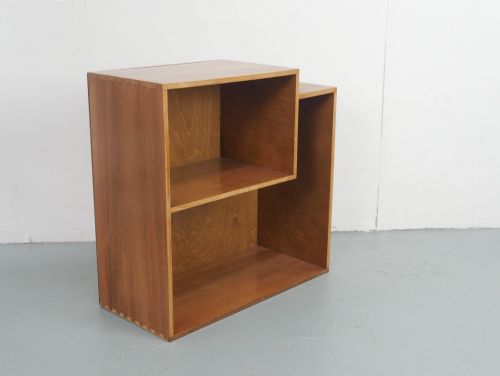
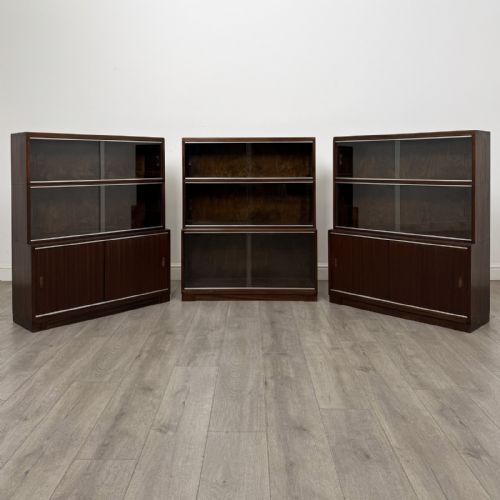
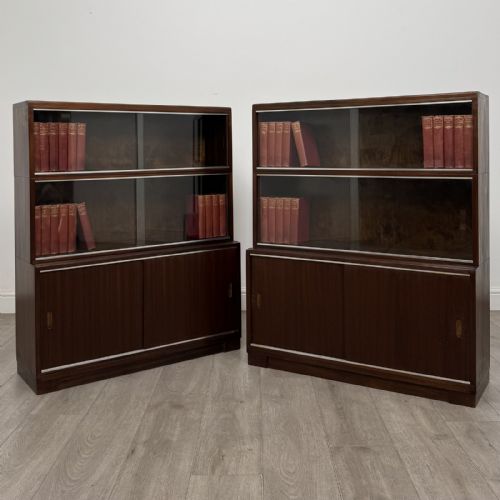
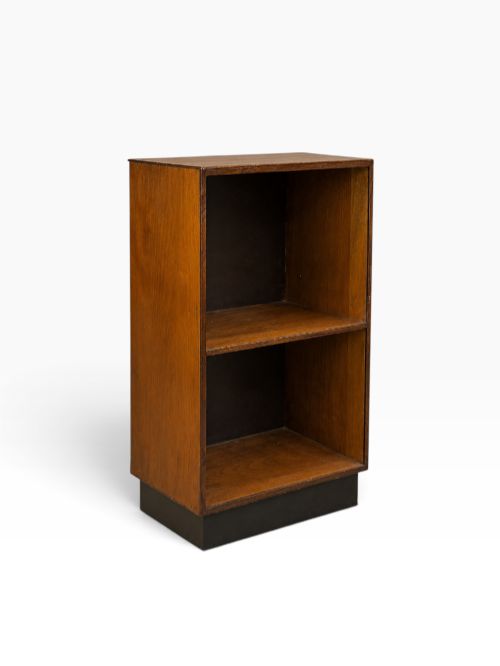
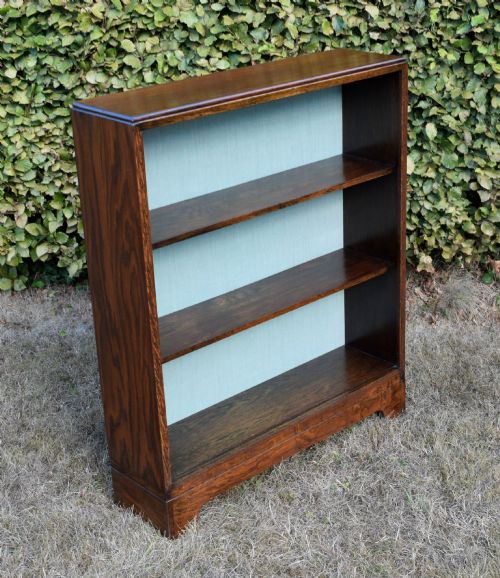
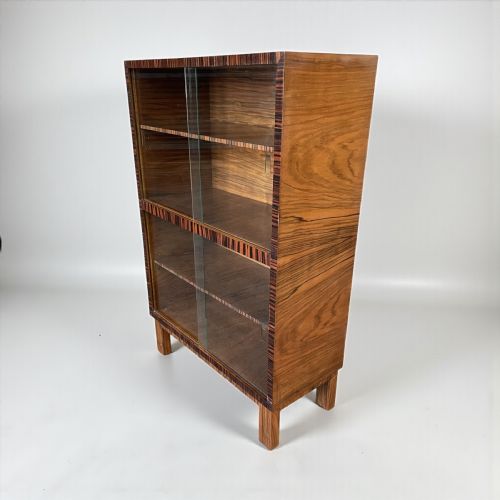
A retro wood bookcase provides functional display and storage for books and decorative objects. These items appear in forms such as open shelving units and closed cabinets with sliding glass doors.
The selections available here span the early to mid-twentieth century, specifically drawing from the 1920s, 1930s, and 1940s. Buyers will frequently encounter pieces reflecting Art Deco and Mid-Century Modern design movements.
Makers and workshops of the period utilised various timber forms to construct these storage items. The physical evidence shows distinct bookcase variations including breakfront designs, display cabinets, and open oak shelving.
How they were made
Craftsmen built these bookcases using solid woods and decorative veneers over timber carcases. Oak, walnut, mahogany, and ash serve as the primary structural materials recorded in the evidence.
Secondary decorative elements include contrasting veneers such as sycamore, alongside functional additions of glass and metal hardware. Sliding glass door mechanisms appear on several of the period cabinet pieces.
Retro Wood Bookcase Retail Price Guide 2026
Typical asking prices for retro wood bookcase among the pieces listed under this phrase on Sellingantiques today, from the lower quarter to the upper quarter. They describe what is for sale here now, not the wider market.
Listings feature oak, walnut, mahogany, ash, and timber across the 1920s, 1930s, and 1940s.
What varies in quality
The distinction between standard items and superior examples lies in the selection of timber veneers and the intricacy of the cabinetwork. Pieces featuring burr walnut and sycamore highlight more complex decorative planning than straightforward utility shelving.
Attribution to known workshops or specific designers elevates the standing of an individual piece within the market. Construction execution, from sliding door mechanisms to precise timber joins, determines the overall calibre of the bookcase.
Epstein·Heals
The Retro Wood Bookcase Glossary
- Art Deco
- A design style characterised by sleek geometric shapes, stylised motifs, and modern industrial materials. It dominated decorative arts through the 1920s and 1930s.
- Breakfront
- A large cabinet design where the central section projects forward from the flanking outer sections. This architectural arrangement creates depth and visual interest in storage furniture.
- Burr Walnut
- A wood grain pattern formed from a tree growth or burl, highly prized for its swirling, mottled patterns. Makers used it as a decorative veneer on statement furniture.
Retro Wood Bookcase: Frequently Asked Questions
What periods do these bookcases span?
The inventory covers pieces originating from the 1920s, 1930s, and 1940s. These decades encompass Art Deco and Mid-Century Modern aesthetics.
Buyers will find that construction styles shift noticeably between the earlier oak shelving and the later burr walnut and ash cabinets.
Are glass doors common on these?
Sliding glass doors appear on several mahogany and display cabinet configurations. They provide protection for contents while maintaining visibility.
Open shelving variants also exist for those preferring direct access to books.
What woods were used?
Makers utilised oak, walnut, mahogany, ash, and general timber for the primary structures. Decorative highlights sometimes involve contrasting veneers like sycamore.
Fabric and metal elements also appear across the recorded inventory.
How do I identify Art Deco pieces?
Art Deco bookcases rely on geometric symmetry, clean vertical lines, and distinctive timber selections. Pieces often feature stepped forms or contrasting wood grains.
Attributions or stylistic cues link them directly to the 1930s design movement.