



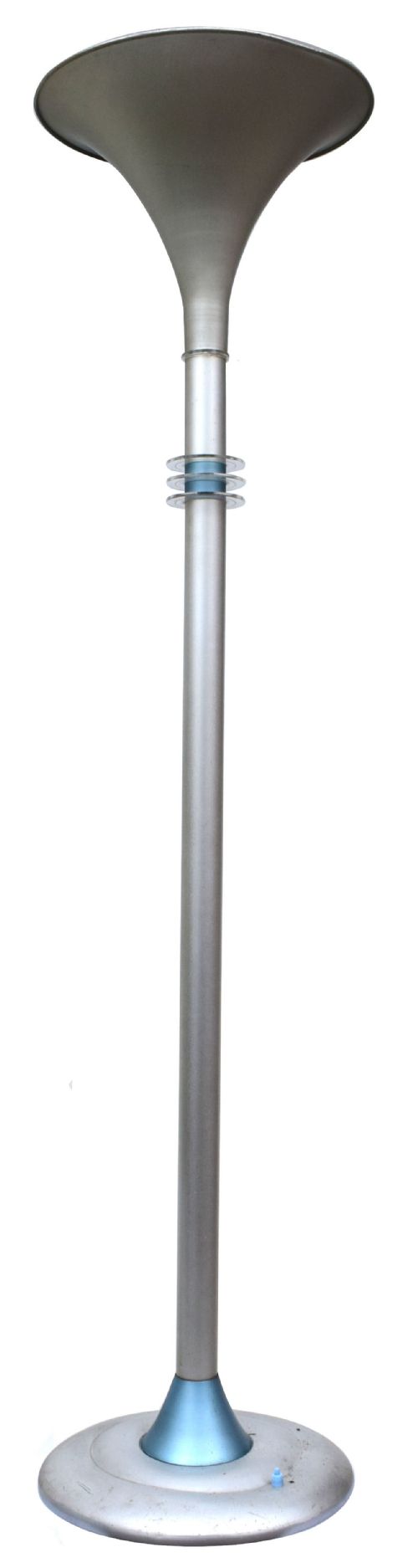


Retro Standing Lamp
A retro standing lamp brings character and height to a room, offering both sculptural presence and functional illumination.
Retro Standing Lamp
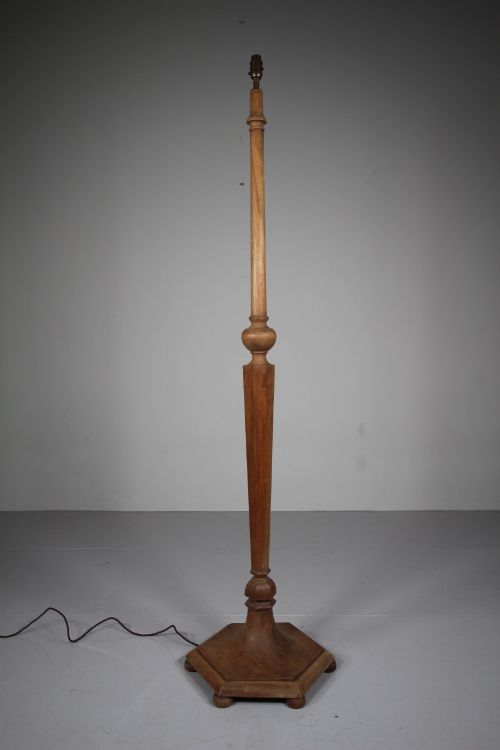
A retro standing lamp functions as a primary source of illumination while anchoring the layout of a room with distinct historical form. When exploring a retro standing lamp, buyers encounter floor-standing designs that elevate light sources above eye level.
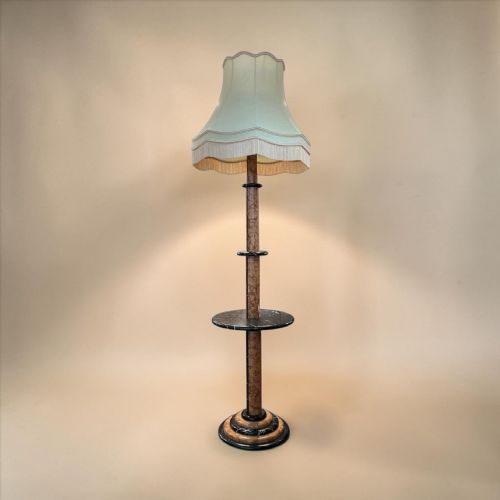
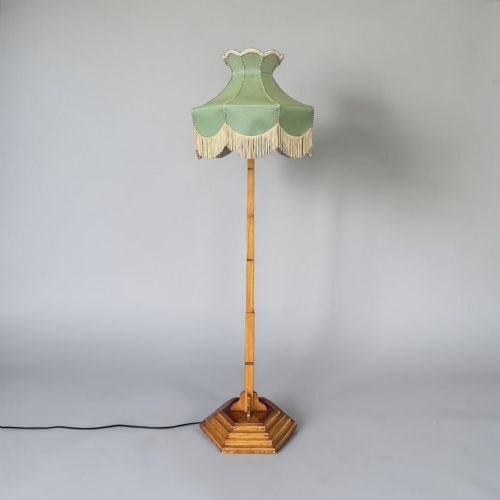
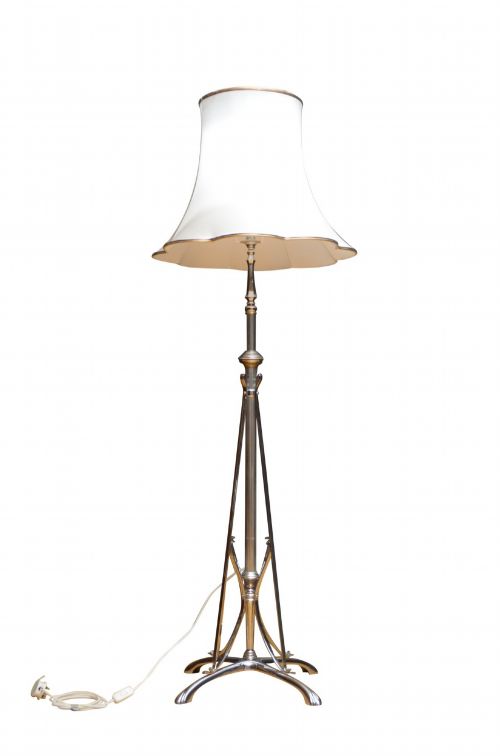
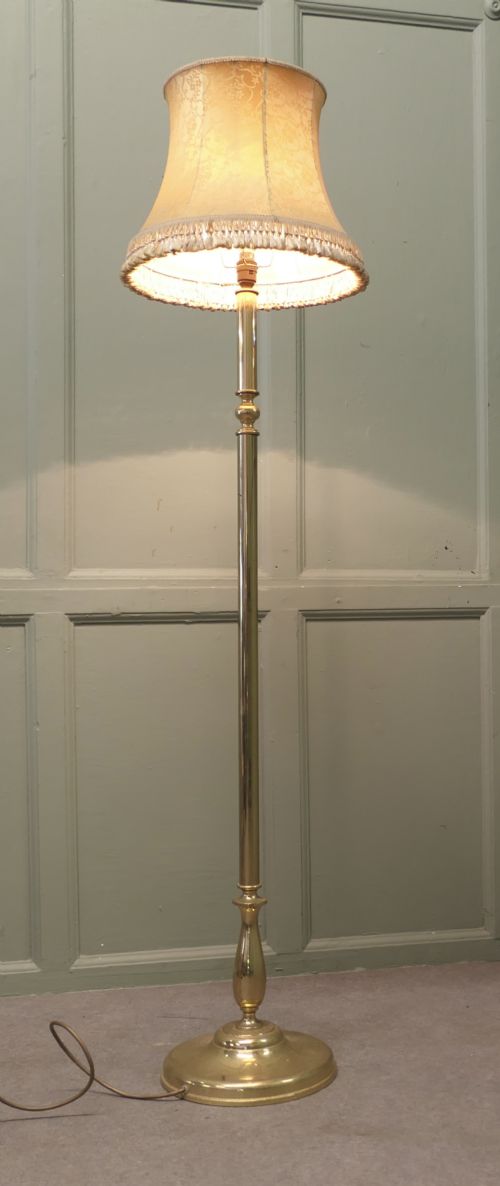
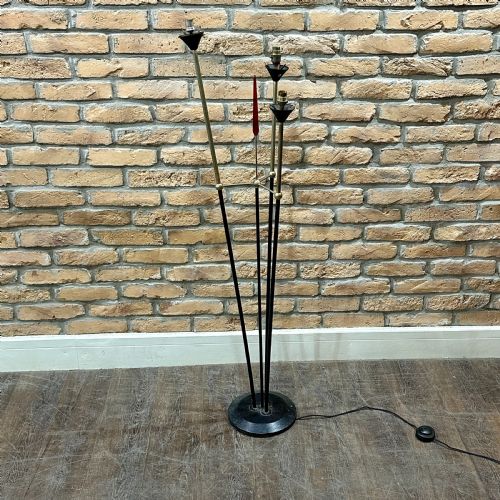
The selections span distinct periods including the Victorian era, Edwardian period, and the 1920s, 1930s, 1940s, and 1950s. Forms range from standard lamps and floor lamps to combined standard lamp tables and up-lighters.
Stylistic expressions vary widely across the inventory, encompassing Art Deco, Hollywood Regency, Italian Florentine, French Chateau, Mid-Century Modern, and 1930s Traditional aesthetics. Buyers are most likely to meet Art Deco and 1930s floor lamps on this page.
Materials and construction
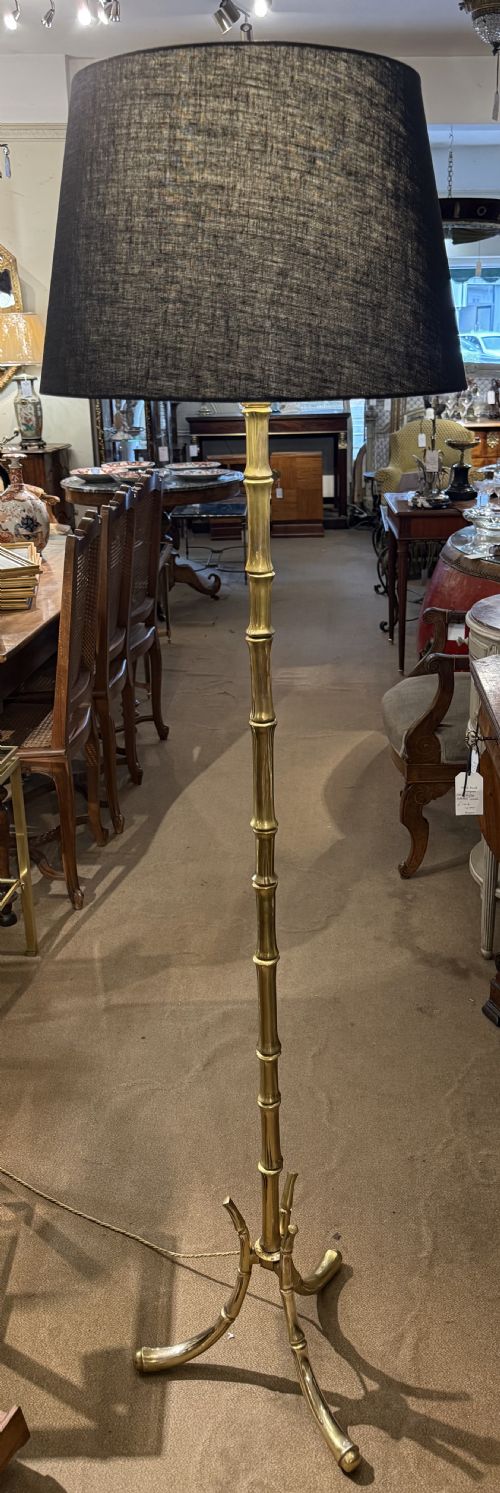
Makers utilised a combination of metals, woods, and stone to achieve stability and visual contrast. Brass, chrome, and giltwood provide reflective metallic surfaces, whilst walnut, mahogany, and general wood components form sturdy shafts and integrated side tables.
Marble grounds heavier structures with solid stone bases, pairing with glass shades and fabric elements to diffuse light. Construction techniques merge metalworking and cabinetmaking, frequently uniting turned wooden columns with heavy metallic or marble bases.
Retro Standing Lamp Retail Price Guide 2026
Typical asking prices for retro standing lamp among the pieces listed under this phrase on Sellingantiques today, from the lower quarter to the upper quarter. They describe what is for sale here now, not the wider market.
Listings span periods from the Victorian era through the Edwardian years, 1920s, 1930s, and 1940s, up to the 1950s.
Evaluating quality and execution
Quality reveals itself in the substantial weight of the materials, such as heavy brass and solid marble bases that ensure physical stability. Superior examples demonstrate refined casting in metal elements and precise joinery in wood and table combinations.
Artistic detail further distinguishes the range, seen in figural components like nude figures, triple glass shade configurations, and intricate Italian giltwood carving. The integration of functional adjustments, such as adjustable chrome mechanisms, separates utilitarian pieces from masterworks.
Heals·Maison Bagues·Rene Mathieu
The Retro Standing Lamp Glossary
- Standard Lamp
- A traditional British term for a tall floor lamp designed to stand independently in a room. These fixtures often support a fabric shade and illuminate a seating area.
- Up-lighter
- A floor lamp designed to cast light upwards towards the ceiling rather than downwards. This directs ambient illumination across the space.
- Giltwood
- Wood that has been treated with a thin layer of gold leaf or gold paint. This technique adds metallic brilliance to carved decorative elements.
- Oil Lamp
- A lighting device that burns liquid fuel via a wick, though many period examples have been adapted for electricity. They frequently incorporate heavy brass reservoirs and stands.
- Hollywood Regency
- A theatrical design style characterised by lavish ornamentation and metallic finishes. It draws inspiration from the golden age of cinema.
Retro Standing Lamp: Frequently Asked Questions
How do I choose the right retro standing lamp?
Consider the height and footprint of the lamp in relation to your room scale. Look at the primary materials - such as brass, chrome, or walnut - to ensure they complement your existing interior style.
Think about the type of lighting you need, whether general ambient illumination from an up-lighter or directed light from a reading lamp. Matching the period style, such as Art Deco or Mid-Century Modern, helps maintain a cohesive aesthetic.
Where were standing lamps traditionally placed?
These lamps were typically positioned beside armchairs or sofas to provide adequate reading and task illumination. Standard lamps with integrated occasional tables were placed where surface space was limited.
In larger reception rooms, up-lighters stood in corners to cast soft light toward the ceiling. Boudoir and reading lamps found their places on smaller tables or dedicated study desks.
How do I date a standing lamp?
Dating relies on identifying stylistic markers, construction materials, and manufacturing techniques characteristic of specific decades. Victorian and Edwardian examples often feature ornate brass or turned wood, while 1920s and 1930s pieces embrace geometric Art Deco lines and chrome.
Mid-century designs from the 1950s introduce signature modernist silhouettes. Examining the wiring and shade fittings can also provide clues to the period of manufacture.
Can these lamps be used with modern bulbs?
Most period standing lamps accept standard contemporary bulbs, provided the lamp holder is compatible and safely wired. Many pieces have been rewired to meet modern safety standards while retaining their original aesthetic.
Consulting a professional electrician is advisable when assessing older or rewired fixtures to ensure proper compatibility. Using lower wattage or LED alternatives helps protect delicate vintage glass shades from excessive heat.