



Retro Shelving Unit
These pieces sold as a retro shelving unit bring practical display and storage into a room with distinct period character.
Retro Shelving Unit
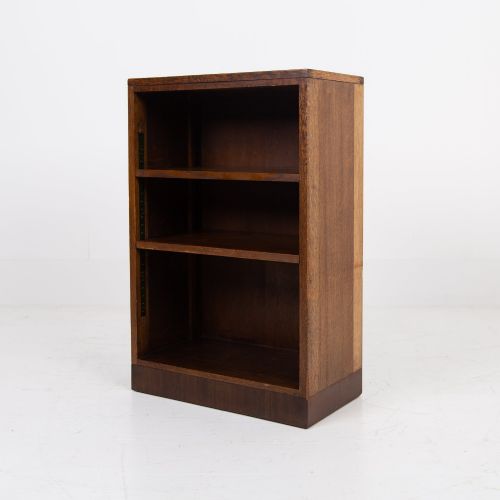
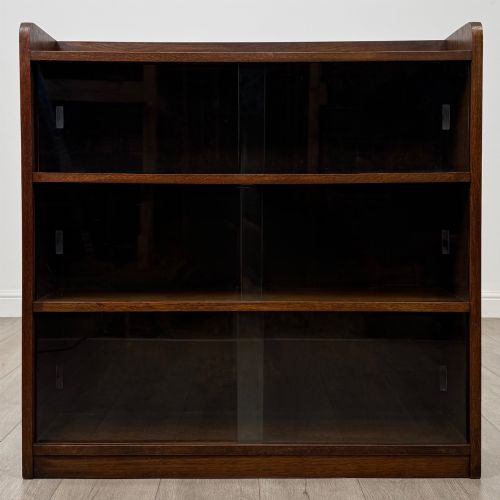
A retro shelving unit covers practical bookcases, side cabinets, and display cabinets designed to hold books and objects in domestic spaces. The selection relies on forms ranging from simple open bookcases to enclosed cabinets with sliding glass or tambour doors.
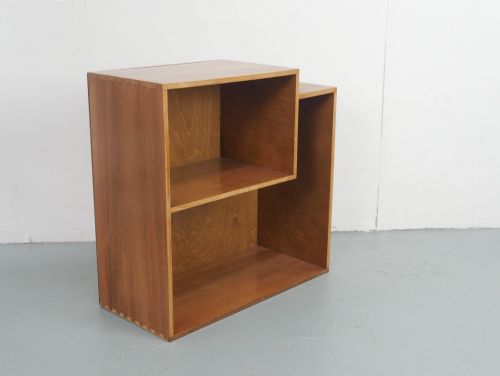
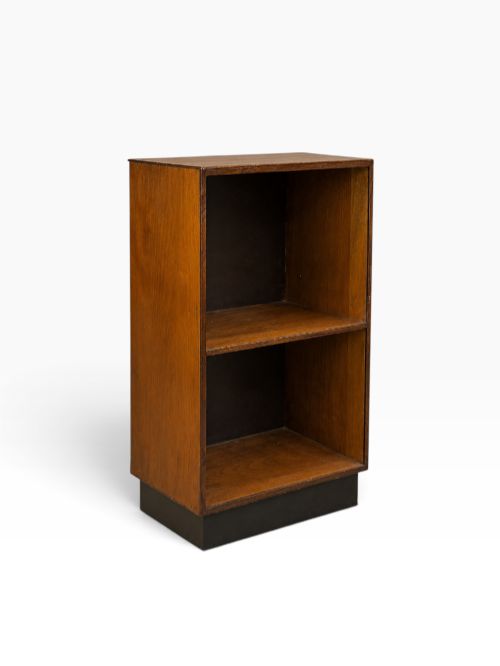
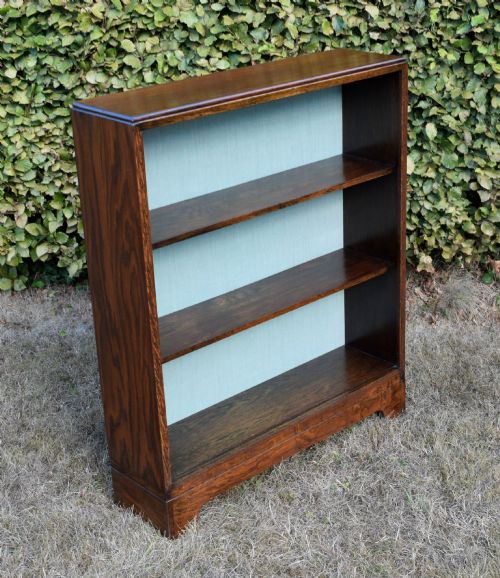
The pieces on this page draw from the Edwardian period through the nineteen-thirties and nineteen-forties, showing styles like Art Deco and Mid-Century Modern. Buyers most frequently meet oak open bookcases and glass-fronted display cabinets from these decades.
Makers and designers of the period shaped these units for utility, often incorporating adjustable shelves or leather tops. The mix includes compact side cabinets alongside larger breakfront bookcases suited to varied interior layouts.
How they were made
Construction relies heavily on solid timber and wood veneer over sturdy frames, with oak serving as a primary material alongside ash. Workshops utilised glass for doors and display panels, supported by brass hardware and fabric or canvas elements where appropriate.
Cabinet makers applied traditional techniques to create sliding doors, tambour mechanisms, and adjustable shelf tracks that allowed owners to customise interior storage. Surface finishes emphasised the natural grain of oak and ash, particularly within Art Deco and Edwardian workshops.
Retro Shelving Unit Retail Price Guide 2026
Typical asking prices for retro shelving unit among the pieces listed under this phrase on Sellingantiques today, from the lower quarter to the upper quarter. They describe what is for sale here now, not the wider market.
Listings span the Edwardian era through 1940, uniting oak, ash, glass, and brass across bookcases and display cabinets.
What varies in quality
Quality rests upon the selection of timbers like figured ash or quarter-sawn oak, alongside the precision of joinery in frames and shelves. Units featuring smooth-running tambour doors or well-fitted sliding glass demonstrate a higher standard of original workshop execution.
The distinction between standard utility pieces and finer examples often lies in the subtlety of the period styling, such as geometric Art Deco lines or balanced proportions in breakfront layouts. Hardware choices, from brass fittings to integrated leather worktops, further differentiate the production standard.
The Retro Shelving Unit Glossary
- Tambour
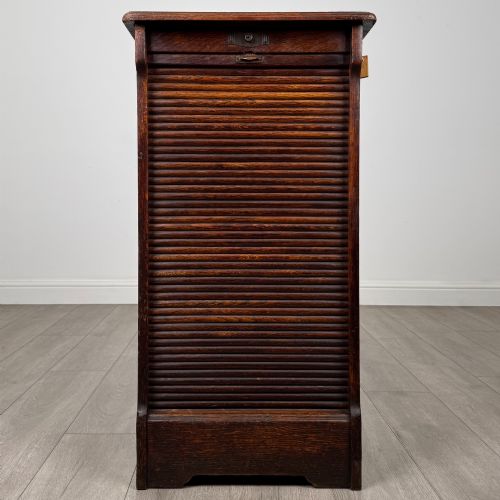
- A flexible shutter door formed of narrow strips of wood glued to a canvas or fabric backing, allowing it to slide smoothly around a curved track. This mechanism is frequently found on office and home cabinets from the early twentieth century.
- Breakfront
- A piece of furniture where the central section projects forward from the flanking outer sections. This architectural arrangement creates visual depth in large bookcases and cabinets.
- Ash
- A pale, tough hardwood with a pronounced grain pattern utilised by cabinet makers during the Art Deco period. It accepts finishes well and offers high structural strength for shelving.
Retro Shelving Unit: Frequently Asked Questions
What periods do these units come from?
The listings span the Edwardian era through the nineteen-thirties and nineteen-forties. This covers early twentieth-century British craftsmanship alongside specific Art Deco designs.
Each period brings distinct material preferences, ranging from Edwardian oak to ash pieces influenced by makers like Heals.
How were tambour cabinets used?
Tambour cabinets provided enclosed storage for books, documents, or household items while saving space in smaller rooms. The slatted sliding door mechanism kept contents hidden without requiring clearance for hinged doors.
These versatile units served dual purposes as side cabinets and specialised bookcases in domestic interiors.
Are the shelves adjustable?
Many of the units include adjustable shelving systems to accommodate books and objects of varying heights. This practical feature allowed owners to modify the interior layout according to their storage needs.
Edwardian and Art Deco cabinet makers built this flexibility into both open bookcases and enclosed display cabinets.
What wood types should I expect?
Oak is the predominant timber found across the selection, appearing in both open bookcases and glazed display cabinets. Ash and various wood veneers also feature prominently, particularly on pieces from the nineteen-thirties.
Additional materials include glass for doors, brass hardware, and occasional leather tops.