



Retro Sapphire Jewellery
Retro sapphire jewellery brings together mid-century weight and bold stones, offering sculptural forms built around deep blue gems.
Retro Sapphire Jewellery
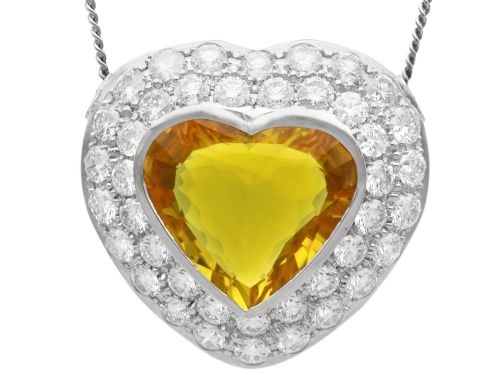
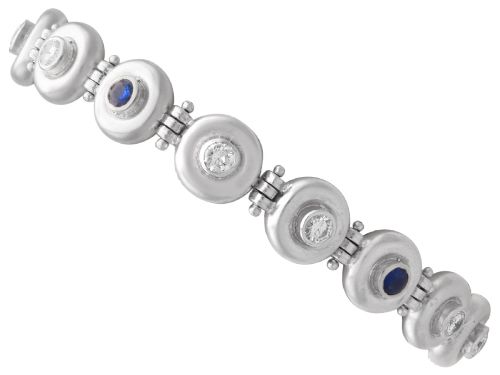
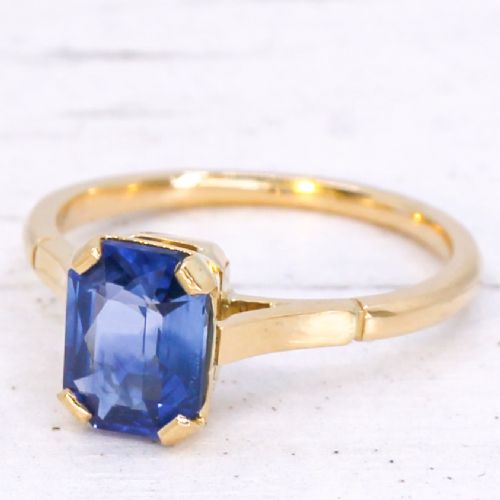
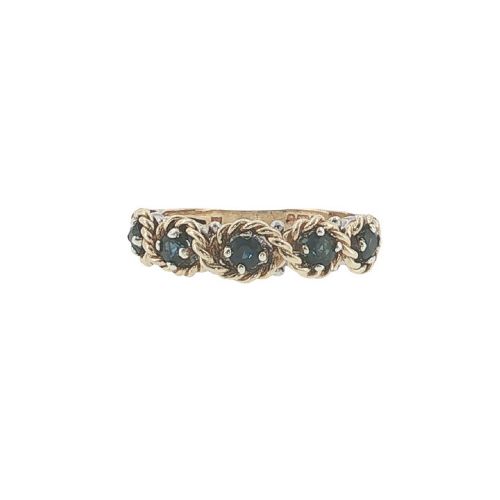
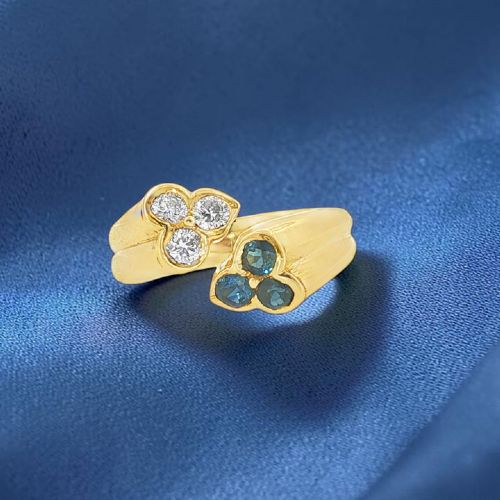
Retro sapphire jewellery encompasses rings, bracelets, pendants, and brooches that draw on mid-century designs, often appearing alongside Art Deco and later vintage influences. You will frequently encounter cluster rings, floral motifs, and substantial diamond pairings set in platinum or gold.
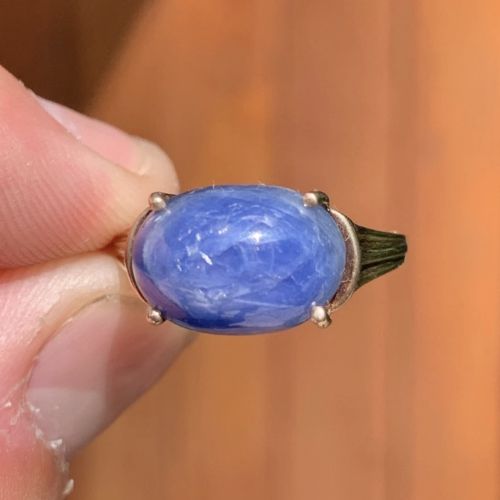
The selections span from the 1940s through the 1960s and beyond, showcasing Ceylon sapphires, star sapphires, and padparadscha varieties. Pieces range from delicate band rings to heavy cocktail rings and articulated bracelets.
Materials and construction methods
Gems are mounted in platinum, 18ct yellow gold, 18ct white gold, and 9ct gold, frequently accompanied by brilliant-cut or rose-cut diamonds. Metalwork in this category relies on casting and heavy fabrication to support large carat weights.
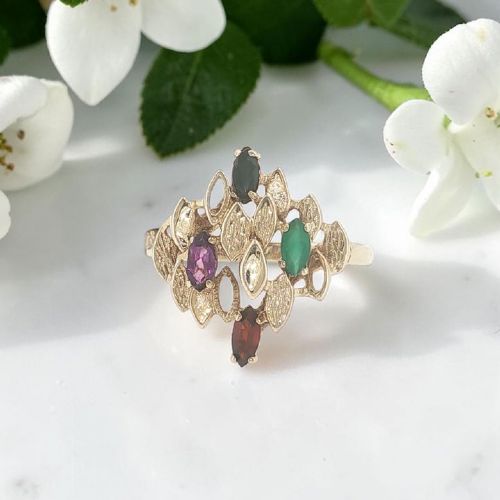
Craftsmen utilised claw settings, cluster arrangements, and channel work to secure prominent central stones alongside turquoise, rubies, emeralds, and multi-gem configurations.
Retro Sapphire Jewellery Retail Price Guide 2026
Typical asking prices for retro sapphire jewellery among the pieces listed under this phrase on Sellingantiques today, from the lower quarter to the upper quarter. They describe what is for sale here now, not the wider market.
Some mid-century designers could not resist adding a hidden menagerie, slipping panthers, leopards, and tiny flower vases right into the gemstone mix.
Assessing quality in retro pieces
Quality rests upon the natural origin, clarity, and saturation of the sapphire, alongside the weight and integration of the surrounding diamonds. Ceylon stones and high-carat star sapphires elevate a piece significantly above standard commercial grades.
The integrity of the metalwork, whether substantial platinum or heavy 18ct gold, dictates the durability and structural presence of the item. Superior execution shows in balanced stone proportions and secure, seamless mounting.
Kutchinsky
The Retro Sapphire Jewellery Glossary
- Ceylon sapphire
- A natural corundum originating from Sri Lanka, known for its vibrant and luminous blue coloration. These stones are prized for high transparency and vivid hue.
- Star sapphire
- A variety of sapphire that exhibits a star-like phenomenon called asterism when cut en cabochon. This optical effect is caused by intersecting needle-like inclusions.
- Cluster ring
- A ring design featuring a prominent central gemstone encircled by a group of smaller stones, typically diamonds. This arrangement maximises overall brilliance and visual impact.
- Platinum
- A dense, durable, and white precious metal utilised extensively for high-end mid-century mountings. Its strength allows for secure, fine settings that hold large diamonds and sapphires safely.
Retro Sapphire Jewellery: Frequently Asked Questions
What defines retro sapphire jewellery?
Retro sapphire jewellery encompasses rings, bracelets, and pendants originating predominantly from the 1940s to the 1960s. These pieces highlight substantial gold and platinum settings paired with bold gemstones.
Designs often incorporate floral motifs, geometric cluster arrangements, and heavy metalwork that reflects the bold aesthetics of the mid-century period.
How do I care for these rings?
Living with vintage gemstone jewellery requires mindful handling, particularly with rings featuring delicate claw settings and softer accent stones. Remove them during manual tasks to protect the metal and gems.
Clean the pieces gently using warm soapy water and a soft brush, avoiding harsh chemical dips that might harm softer surrounding gems like turquoise.
Are star sapphires common?
Star sapphires appear in mid-century cocktail rings and feature a unique optical phenomenon called asterism. They are cut en cabochon to display a six-rayed star across the surface.
These stones owe their appearance to microscopic inclusions within the corundum, making them distinct from faceted transparent sapphires.
How can I tell the period?
Dating retro sapphire pieces involves examining the combination of metals, stone cuts, and construction styles. Heavier platinum mountings and distinct floral cluster designs point toward the 1940s and 1950s.
Hallmarks and stamps on the metal also provide precise manufacturing dates and assay office locations when available.