





Retro Round Table
A retro round table brings compact symmetry and distinct period character to a room.
Retro Round Table
When you search for a retro round table, you find a compact circular surface designed for daily living and social spaces. These forms range from low coffee tables to taller occasional and side pieces.
The versions most common here date from the 1920s through the 1960s, spanning Art Deco, French Neoclassical, and Mid-Century Modern styles. They serve as central display points or functional stands in a room.
Makers and designers of these circular tables utilised a variety of surface areas and support structures. The resulting objects suit both traditional and modern interior schemes.
How they were made
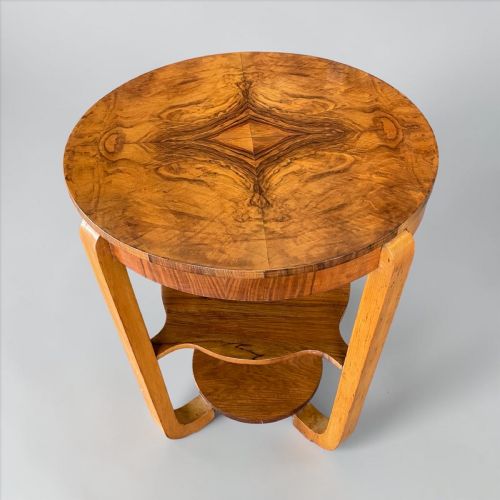
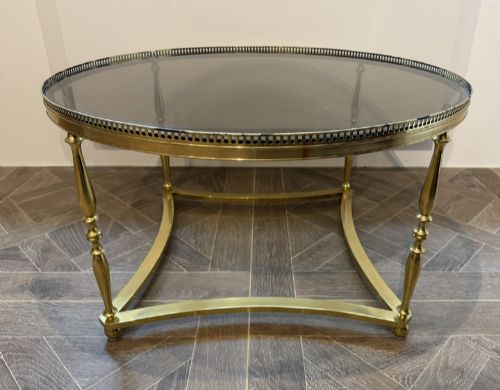
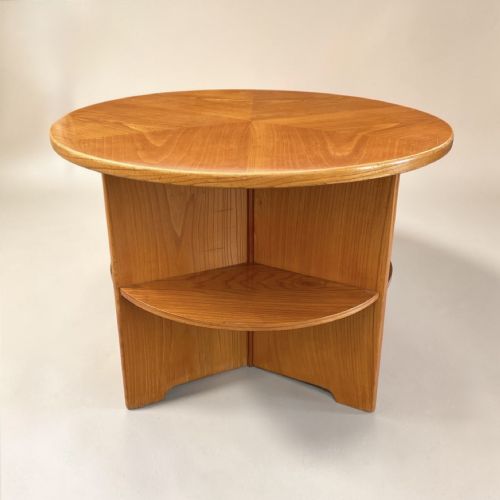
Construction relies on distinct combinations of wood, metal, and glass materials. Cabinet makers employed walnut, maple, teak, and wood veneer alongside brass, chrome, and mirrored glass.
Techniques range from geometric wood veneers to polished metal frames and inset glass tops. These methods create durable circular surfaces with contrasting textures and reflective qualities.
Retro Round Table Retail Price Guide 2026
Typical asking prices for retro round table among the pieces listed under this phrase on Sellingantiques today, from the lower quarter to the upper quarter. They describe what is for sale here now, not the wider market.
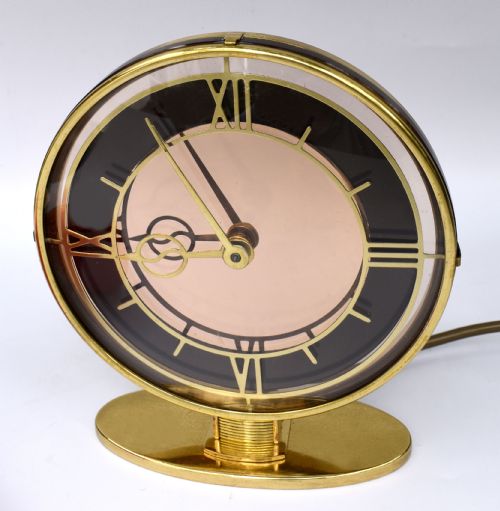
Some round surfaces hide seconds in plain sight, functioning as clocks or globes rather than tea trays.
What varies in quality
Quality rests in the precision of the joinery and the selection of materials like figured walnut, solid brass, or bevelled glass. Finer examples display harmonious grain matching and clean geometric proportions.
Lower tiers show simpler construction methods and standard secondary woods. The distinction lies in the finish and the integrity of the structural frame.
Ernest Hemingway·Cartier London·Imhof
The Retro Round Table Glossary
- Occasional table
- A small, movable table designed for intermittent use in sitting rooms. These pieces include lamp tables and coffee tables.
- Veneer
- A thin layer of fine wood applied to a base material to provide a decorative surface. This technique allows for complex grain patterns.
- Art Deco
- A design style emerging in the early twentieth century characterised by sleek geometric shapes and modern materials. It strongly influences many pieces from the interwar period.
- Mid-Century Modern
- An architectural, interior, and product design development from the middle decades of the twentieth century. It prioritises clean lines and functional forms.
- Two-tier
- A furniture design featuring an additional lower shelf beneath the main surface. This configuration provides extra storage or display space.
Retro Round Table: Frequently Asked Questions
What is a retro round table?
A retro round table is a circular surface piece originating from twentieth-century design movements like Art Deco and Mid-Century Modern. These tables function as coffee tables, lamp stands, or occasional furniture.
They offer compact proportions that suit various room layouts while providing distinct historical style.
How do I date a round table?
Dating depends on identifying the primary materials, construction techniques, and stylistic markers present in the piece. Interwar pieces often feature walnut veneer and brass, while later items embrace teak and minimalist frames.
Examining the underside and hardware also helps establish the era of manufacture.
Where should I place a round table?
A round coffee table or occasional table fits well in the centre of a seating arrangement to facilitate easy movement around the room. Smaller side versions sit comfortably beside armchairs or sofas.
The circular shape softens angular room layouts and creates an intimate focal point.
What materials are common?
Common materials include hardwoods and veneers such as walnut, maple, and teak. Metal elements in brass and chrome frequently accent the wooden structures.
Glass, mirrored surfaces, and marble also appear as primary tabletops.