





Retro Pendant Necklace
These retro pendant necklace pieces span from Victorian revivals through to the mid-century, offering distinctive gemstone settings and charm designs.
Retro Pendant Necklace
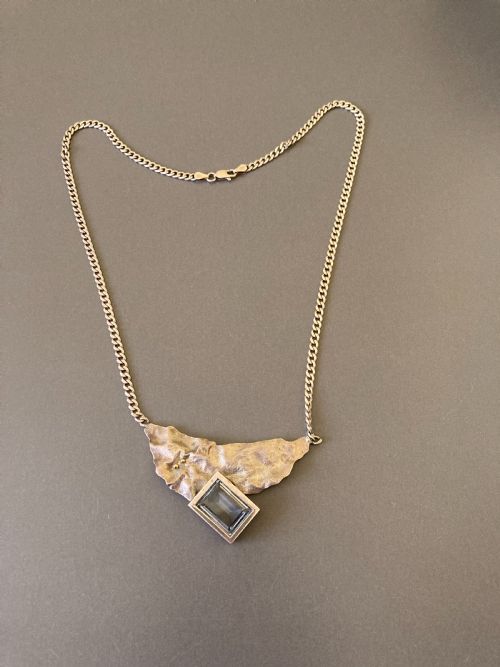
A retro pendant necklace combines mid-century modernist designs with older periods like the Victorian and Edwardian eras. Buyers exploring this category encounter gold and silver pieces set with diamonds, aquamarines, opals, and rubies.
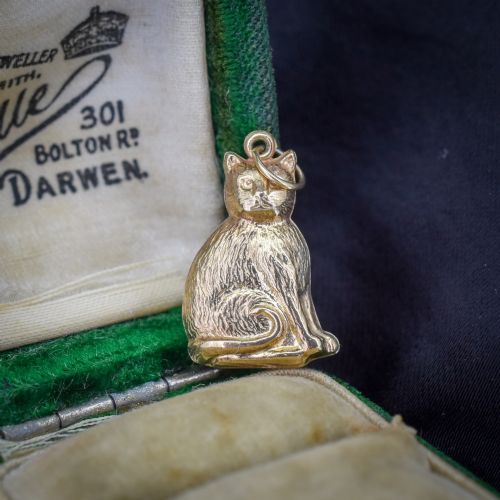
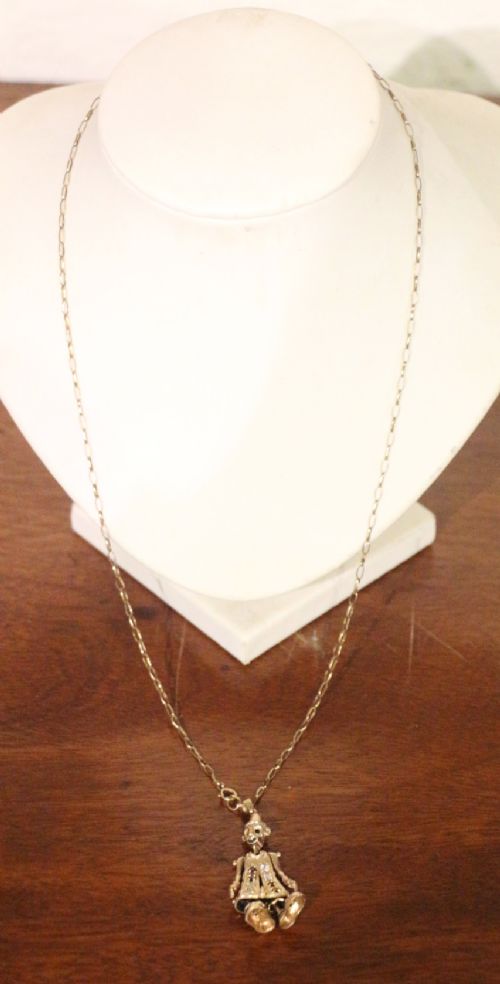
The selection ranges from figural charms such as cats and clowns to geometric zodiac medals and large gemstone solitaires. Mid-century and vintage British styles dominate the available forms on this page.
Many examples utilise gold grades from nine-carat to eighteen-carat, alongside platinum and sterling silver. The overall aesthetic reflects mid-century craftsmanship paired with earlier decorative motifs.
What varies in quality
The weight and purity of the precious metals, ranging from nine-carat gold up to twenty-two-carat gold and platinum, set the baseline for material worth. Heavier gold mounts and solid platinum settings indicate substantial construction.
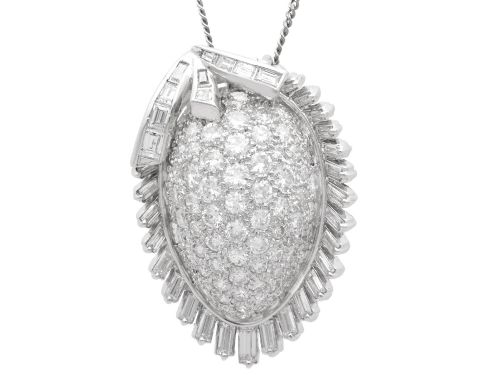
The carat weight, cut, and clarity of feature stones such as aquamarines, diamonds, and opals create significant distinction between pieces. Elaborate multi-gemstone combinations and signed workshop pieces demonstrate advanced design ambition.
Retro Pendant Necklace Retail Price Guide 2026
Typical asking prices for retro pendant necklace among the pieces listed under this phrase on Sellingantiques today, from the lower quarter to the upper quarter. They describe what is for sale here now, not the wider market.
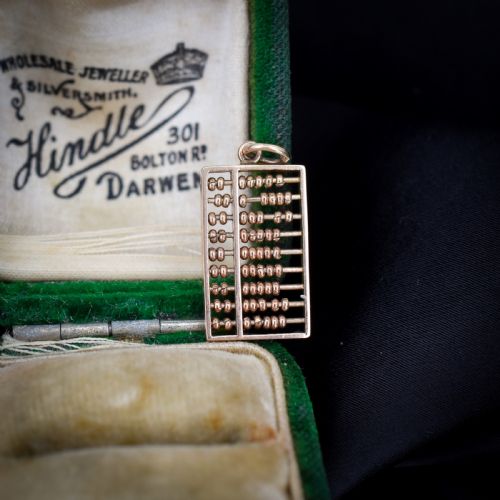
A gold clown figure and an abacus charm offer a playful side to mid-century accessory design.
The Retro Pendant Necklace Glossary
- Solitaire
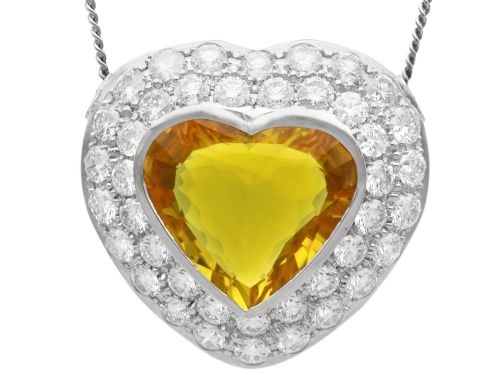
- A piece featuring a single gemstone set independently on the mount. This setting draws complete focus to the central stone, such as an opal.
- Charm pendant
- A small decorative ornament suspended from a necklace, often cast in the form of a figurative object or symbol. These range from animals to zodiac signs.
- Paste
- Hand-cut glass or vitreous material used to imitate gemstones in historic jewellery. Amethyst paste provides the colour depth of natural quartz without the mineral origin.
- Mid-Century
- A design period spanning roughly from the 1940s through the 1960s, characterised by organic shapes and modernist influences. Pieces from this era often embrace bold gold work and prominent coloured stones.
Retro Pendant Necklace: Frequently Asked Questions
What periods do these necklaces come from?
The pieces span several eras, reaching from Victorian and Edwardian designs through to the 1930s, 1940s, 1950s, and 1960s.
Mid-century and retro modern styles dominate the selection, though earlier aesthetic influences remain visible in the mounting and stone cuts.
What metals are used in these pendants?
Constructors utilised various grades of gold, including nine-carat, fourteen-carat, eighteen-carat, and twenty-two-carat in both yellow and white variations.
Platinum and sterling silver also appear frequently as primary structural metals for the chains and pendant mounts.
How do I wear a pendant necklace?
These necklaces are designed to be worn directly against the skin or over clothing, depending on the length of the accompanying chain.
Larger statement pendants with substantial aquamarines or multi-gemstone arrangements suit simpler necklines that allow the centrepiece to stand out.
What gemstones appear in these pieces?
Common stones include diamonds, aquamarines, opals, rubies, sapphires, emeralds, and blue topaz.
Selected items also feature organic materials like coral and pearls, alongside decorative enamel and paste simulations.