

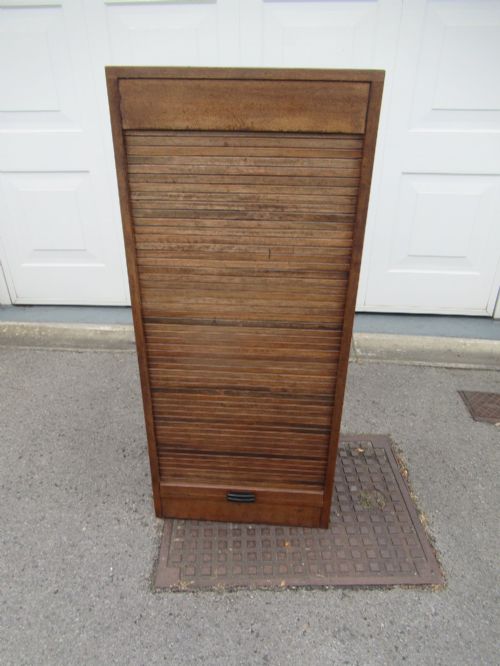


Retro Mahogany Cabinet
A retro mahogany cabinet offers practical storage with period character, combining rich wood grain with functional mid-century or art deco design.
Retro Mahogany Cabinet
When you search for a retro mahogany cabinet, you examine pieces originating from the 1920 and 1930 periods that serve various domestic and commercial storage functions.
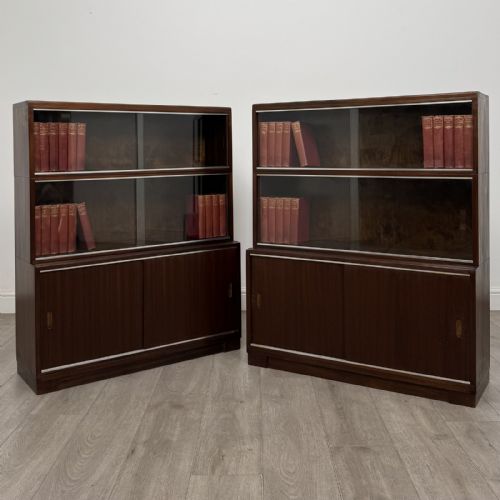
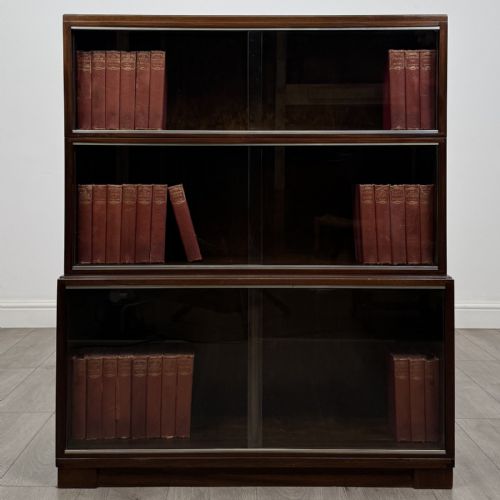
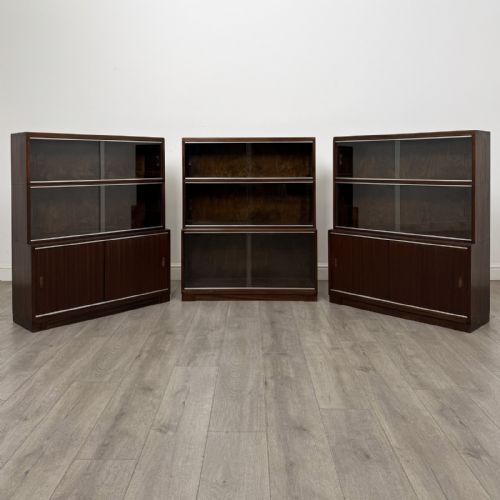
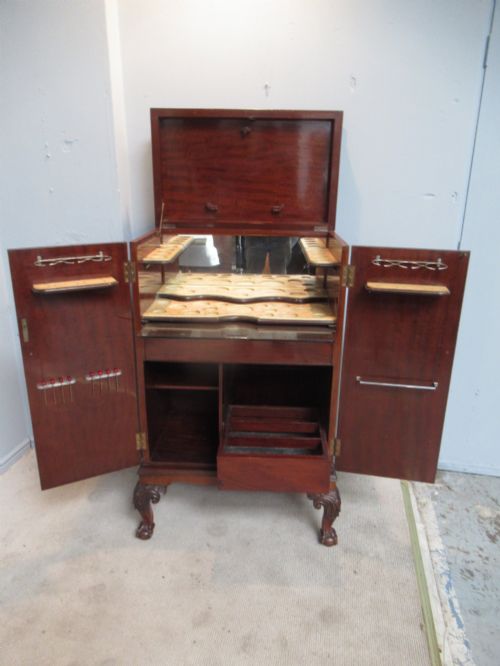
The assortment includes display cabinets with sliding glass doors, drinks and cocktail cabinets, bookcases, file cabinets, sideboards, haberdashery cases, and humidors.
You are most likely to meet display cabinets and drinks cabinets finished in mahogany, walnut, or oak veneer, reflecting early twentieth century design and Chippendale revival styles.
How they were made
These pieces utilise solid wood and wood veneer over timber foundations, often combining mahogany with walnut or oak elements.
Metal and brass hardware, such as sliding tracks, handles, and locks, provide mechanical function to tambour fronts and doors.
Glass panels feature in display units and bookcases to showcase contents while protecting them from dust.
Retro Mahogany Cabinet Retail Price Guide 2026
Typical asking prices for retro mahogany cabinet among the pieces listed under this phrase on Sellingantiques today, from the lower quarter to the upper quarter. They describe what is for sale here now, not the wider market.
Object types span bookcases, display units, drinks cabinets, filing furniture, haberdashery cases, and humidors.
What varies in quality
The standard of timber selection and veneer matching dictates the visual appeal of the surface, distinguishing standard production from finer workshop output.
The precision of mechanical elements, including tambour slats, sliding glass runners, and brass fittings, separates robust construction from ordinary assembly.
Bowman Brothers·Chadwick·Globe Wernicke·Alfred Dunhill
The Retro Mahogany Cabinet Glossary
- Tambour
- A series of narrow wooden slats attached to a flexible backing, allowing doors to slide around a curved track. This mechanism conceals cabinet contents efficiently.
- Veneer
- A thin layer of superior wood applied over a base timber foundation to provide a decorative surface. It allows complex grain patterns without heavy solid construction.
- Chippendale revival
- A style reproducing or interpreting eighteenth-century furniture designs popularised by Thomas Chippendale. These pieces often incorporate classic carved motifs.
- Globe Wernicke
- A modular bookcase system featuring stacking lawyer sections with glass lifting doors. The design allowed units to grow with a book collection.
Retro Mahogany Cabinet: Frequently Asked Questions
What fits inside a drinks cabinet?
These specialist storage pieces accommodate bottles, glassware, and mixing accessories behind dedicated doors.
Interior compartments are arranged specifically for hosting and serving beverages.
How do tambour doors operate?
Tambour doors slide smoothly along recessed tracks using flexible wooden slats.
This mechanism allows the door to open around curves without swinging outward into the room.
Where were haberdashery cases used?
Haberdashery cabinets originally functioned in shops to display and store small sewing goods and cottons.
Glass fronts and multiple drawers allowed merchants to show stock clearly to customers.
How do I identify a 1930s style?
Pieces from this decade often exhibit clean geometric lines, art deco influences, or revival details.
Materials frequently include mahogany and oak veneers paired with functional metal hardware.