





Retro Lighting Fixtures
These retro lighting fixtures bring authentic period character to a room, combining brass, chrome, and moulded glass to illuminate spaces with historical design.
Retro Lighting Fixtures
When you search for retro lighting fixtures, you are looking at illumination hardware that spans the nineteenth century through the 1930s. The selection focuses heavily on pieces from the 1920s and 1930s, alongside Victorian and Edwardian examples. Pendant lights, chandeliers, and wall sconces dominate the selection.
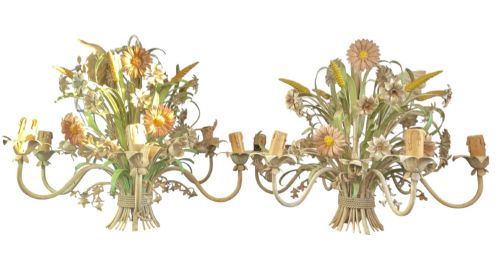
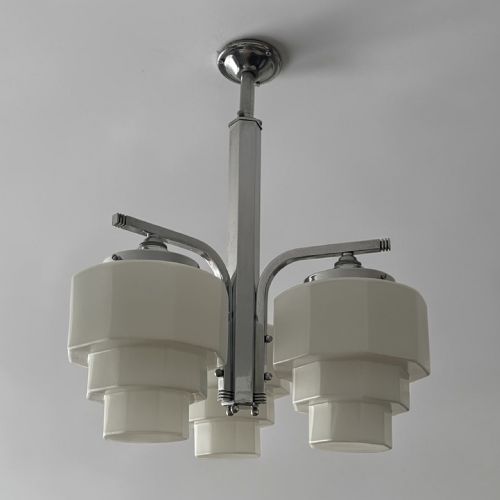
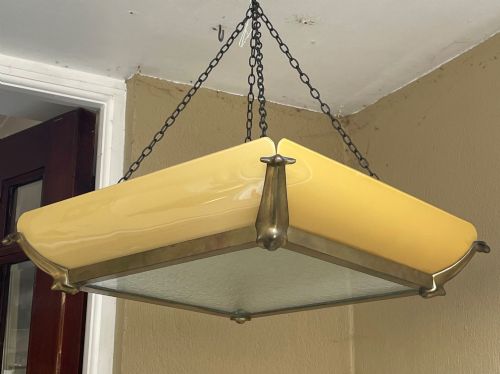
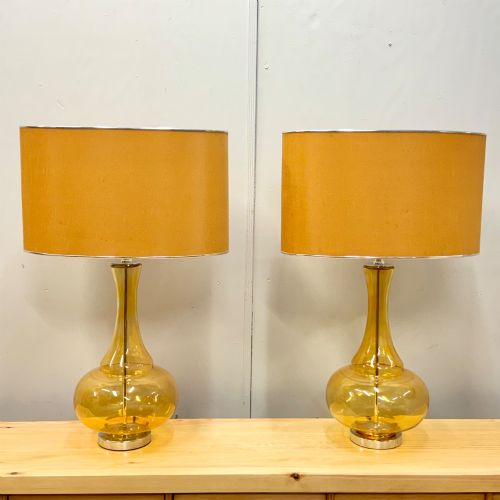
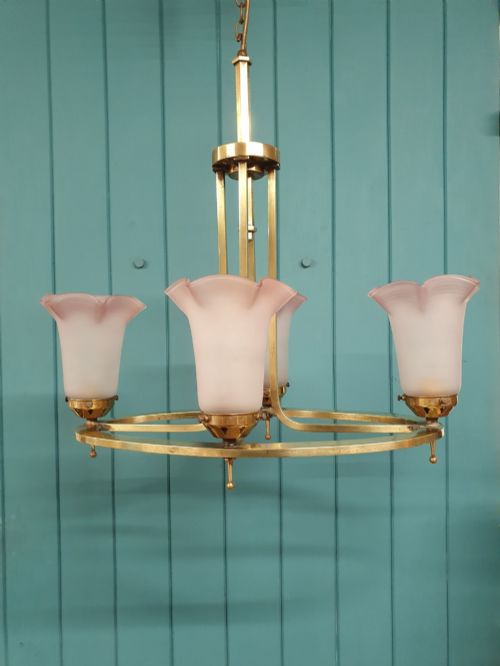
Art Deco styling prevails among the offerings, accompanied by Victorian, nautical, and Mid-Century Italian designs. Buyers frequently encounter glass and metal combinations, such as opaline or frosted shades paired with brass and chrome galleries. These fittings served utilitarian and decorative purposes in domestic and commercial interiors of their era.
How they were made
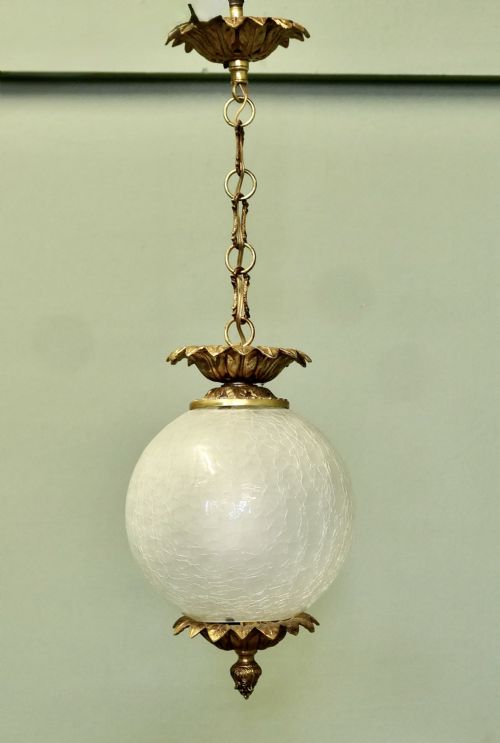
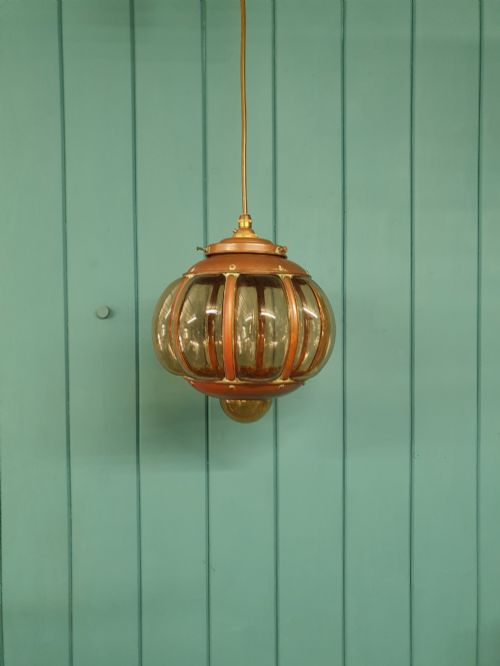
Metalwork forms the structural core of these fittings, utilising brass, copper, and chrome alongside gilt and standard metal. Workshops shaped these materials into galleries, brackets, and frames to support delicate glass components.
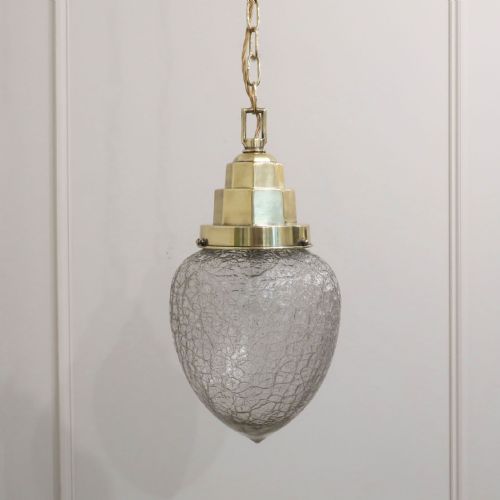
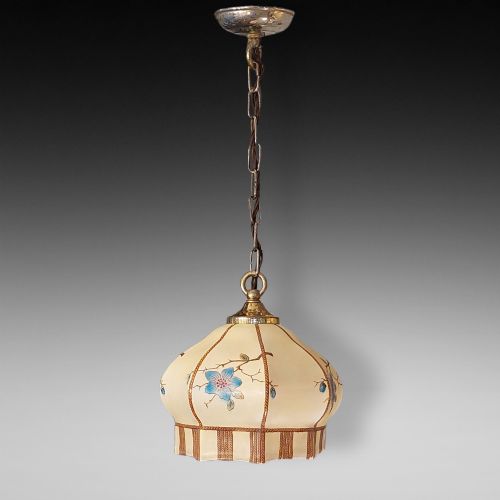
Glass production defined the aesthetic of the period, ranging from opaline and smoked glass to crackle glass and hand-painted shades. Makers employed moulding, pressing, and hand-finishing techniques to create textured surfaces like fish scale and pear shapes.
Retro Lighting Fixtures Retail Price Guide 2026
Typical asking prices for retro lighting fixtures among the pieces listed under this phrase on Sellingantiques today, from the lower quarter to the upper quarter. They describe what is for sale here now, not the wider market.
Fruit takes literal form in illumination, evidenced by vintage Murano glass grape lamps and pear-shaped opaline shades.
What varies in quality
The sophistication of the glasswork dictates the upper tier of the selection, where complex moulding and deliberate colour choices replace plain utility. Pieces featuring specialised glass treatments, such as crackle finishes or layered opaline, demonstrate superior manufacturing ambition.
Hardware integration separates standard items from exceptional examples. Substantial brass galleries, polished chrome frames, and intricate metal castings provide structural integrity that lighter, mass-produced alternatives lack.
Jean Gauthier·Karl Palda
The Retro Lighting Fixtures Glossary
- Opaline glass
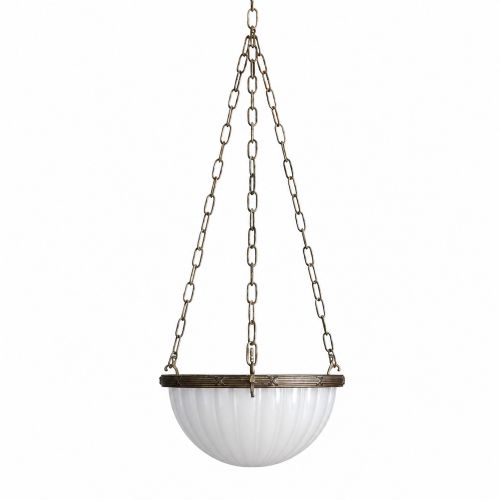
- A milky, translucent glass developed to diffuse light softly without harsh glare. It appears frequently in 1930s pendant lights.
- Gallery
- The metal ring or collar that holds a glass shade in place and connects it to the suspension rod or flex. Galleries are often cast in brass or chrome.
- Art Deco
- A design style characterised by streamlined geometry, stylized motifs, and modern materials popular during the 1920s and 1930s.
- Sconce
- A wall-mounted lighting fixture designed to project illumination outward into a room. Pairs of sconces are common in period interiors.
- Chandelier
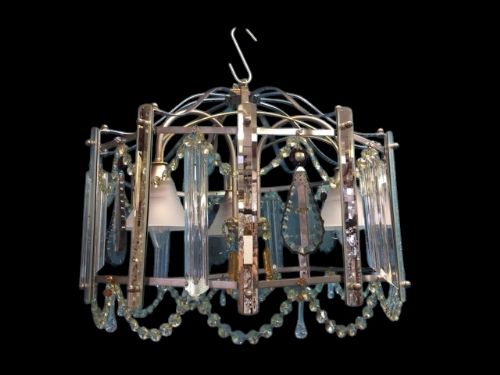
- A branched, suspended lighting fixture holding multiple bulbs or candles. Examples range from simple glass drop designs to elaborate multi-light brass arrangements.
Retro Lighting Fixtures: Frequently Asked Questions
What rooms suit retro pendant lights?
Pendant lights work well suspended over dining tables, kitchen islands, or in hallways where direct downward illumination is needed. Their compact drops integrate easily into domestic ceiling heights.
Larger multi-light fixtures require adequate clearance, while smaller single-bulb pendants fit restricted spaces comfortably.
Were these lights originally electric?
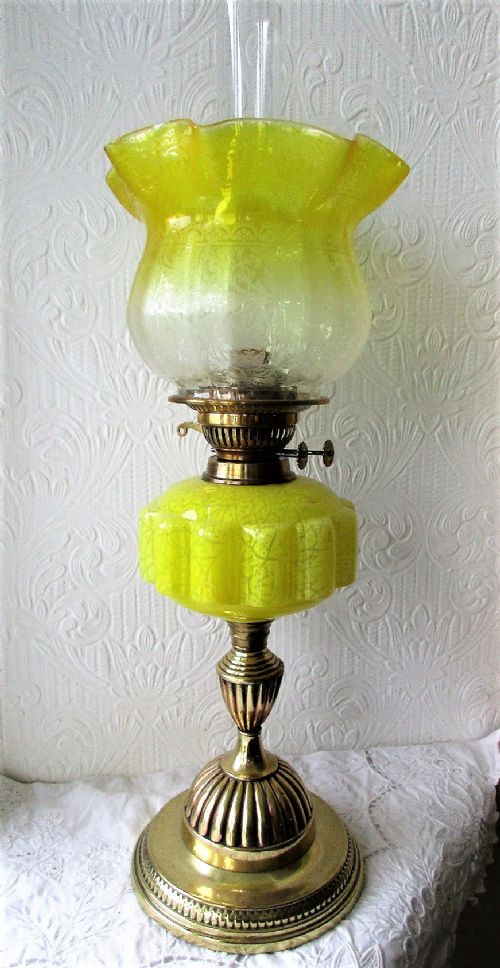
While many pieces from the 1920s and 1930s utilised electricity, earlier Victorian examples often started as oil or paraffin lamps. Oil lamps were frequently converted later for electrical use.
Original wiring is routinely replaced during restoration to meet current safety standards while preserving the antique metal and glass housing.
How do I clean antique glass shades?
Delicate glass shades require gentle washing in lukewarm soapy water using a soft cloth to avoid scratching the surface. Textured or hand-painted details demand particular care to prevent paint loss.
Metal galleries should be polished separately with appropriate cleaners to avoid staining adjacent glass components.