


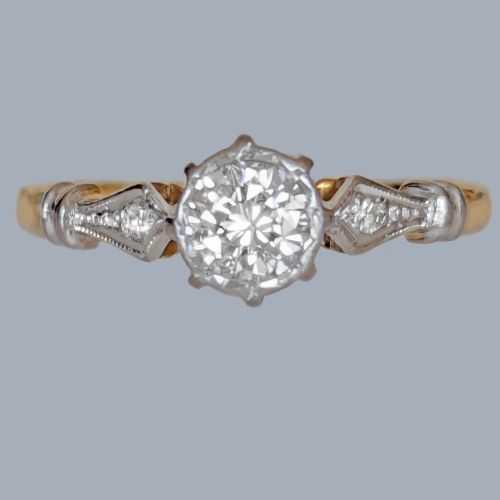


Retro Gold Band Ring
A retro gold band ring brings tangible weight to the hand, combining structural metalwork with gemstones from periods spanning the Edwardian era to later than 1960.
Retro Gold Band Ring
A retro gold band ring encompasses fine jewellery pieces fashioned from yellow, white, rose, and solid gold, often paired with platinum settings. Buyers searching this phrase meet rings originating from diverse decades, including the Edwardian period, 1920, 1930, 1940, 1950, 1960, and later than 1960.
The aesthetic vocabulary spans Art Deco, Retro, Mid-Century, Mid-Century Modern, French, and 1970s Modernist styles. Forms range from simple bands and five-stone arrangements to elaborate cocktail and tank rings.
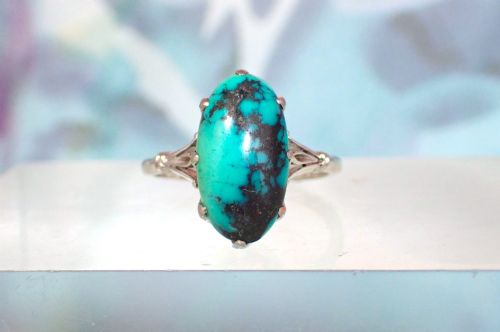
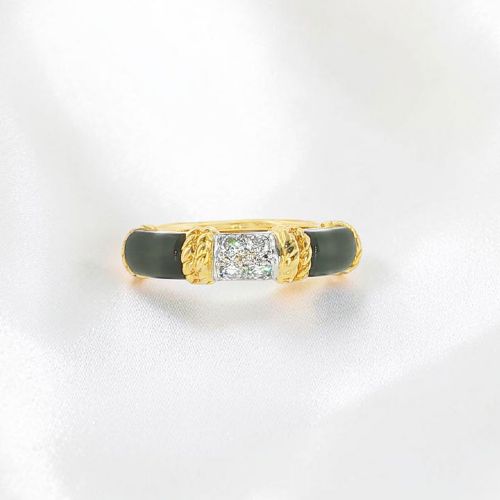
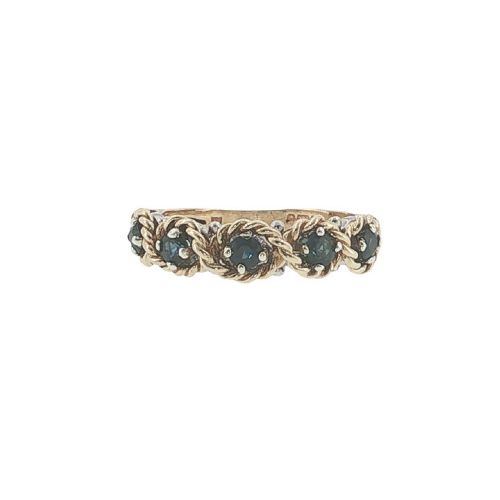
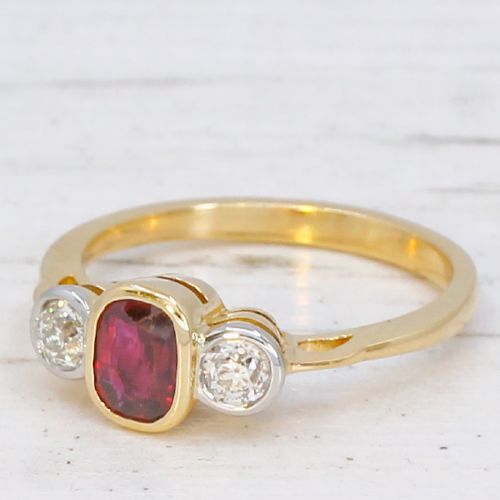
Pieces frequently incorporate stones such as diamond, sapphire, turquoise, ruby, opal, emerald, black onyx, pearl, jade, and enamel. Solitaire, cluster, and multi-gem configurations appear frequently across the selection.
How they were made
Goldsmiths utilised 9ct, 14ct, and 18ct gold alongside platinum to construct durable settings that could support complex gemstone arrangements. Metals are often mixed within a single piece, combining white and yellow gold for contrast.
Gemstones including old cut, transitional, round cut, and rose cut diamonds, alongside sapphires, rubies, and turquoise, were secured using traditional claw, bezel, and cluster mounts. Specific designs feature specialist detailing such as black onyx accents and enamel work.
Stones featured across the current selection include diamonds, sapphires, turquoise, opals, emeralds, pearls, and jade.
What varies in quality
The calibre of a piece rests upon the weight and purity of the gold and platinum employed, alongside the heft of the overall mount. Substantial metalwork, such as heavier tank ring constructions, changes the tactile experience of wearing the jewellery.
Gemstone selection and the precision of the stone-cutting technique define the visual impact. The presence of certified old cut diamonds, natural pearls, or substantial sapphires and turquoise stones elevates the standard of the work.
Kutchinsky
The Retro Gold Band Ring Glossary
- Tank ring
- A chunky, stylised ring design originating around the 1940s, characterised by bold geometric planes and heavy use of gold. These pieces often draw inspiration from military machinery and architectural forms.
- Old cut
- A diamond facet arrangement predating modern brilliant cuts, featuring a smaller table and a higher crown. This historic cutting style produces a distinct, softer pattern of light reflection under candlelight.
- Platinum
- A dense, durable white metal utilised in fine jewellery for its strength in securing delicate gemstone settings. It allows for minimal metal work around stones while maintaining structural integrity.
- Cocktail ring
- A large, prominent ring intended to draw attention, typically featuring colourful gemstones or diamonds. These bold ornaments gained widespread popularity during the mid-twentieth century.
Retro Gold Band Ring: Frequently Asked Questions
How do I style a retro gold band ring?
These rings work well worn singly as a statement piece or stacked alongside companion bands for added visual weight.
Their varied metal tones allow them to integrate easily with other items of vintage jewellery.
What periods do these rings come from?
The selection includes pieces spanning from the Edwardian era through the Art Deco and Retro periods to the 1970s.
Mid-century and 1950s designs appear frequently alongside earlier twentieth-century examples.
Are these rings suitable for daily wear?
Solid gold and platinum constructions provide the durability needed for regular use.
Care should be taken with softer stones like opal, pearl, or turquoise during strenuous activities.
How are different gold colours combined?
Goldsmiths frequently paired yellow gold with white gold or platinum to highlight specific gemstone settings.
This bi-colour approach creates contrast and reflects the design priorities of mid-century aesthetics.