



Retro Glass Frames
Retro glass frames bring period character to any wall, offering distinctive glazed borders and mirrored plates that collectors prize for their bold geometry.
Retro Glass Frames
When you search for retro glass frames, you encounter an eclectic mix of wall mirrors, picture frames, and advertising pieces spanning from the Victorian era through the mid-century period. These items utilise glass panels, mirrored surfaces, and original wooden or metal surrounds to create striking visual displays.
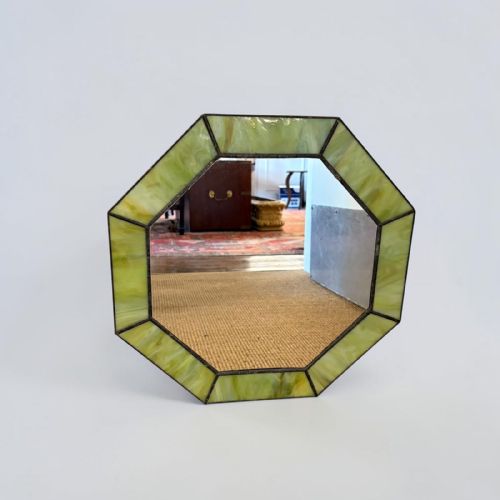
The most common examples on this page date from the 1920s and 1930s, featuring strong Art Deco styling alongside mid-century items. Pieces range from triptych photo frames and octagonal wall mirrors to commercial advertising signs framed in timber or metal.
Earlier pieces from the Victorian era and the 1890s introduce velvet coverings and traditional framing techniques. Meanwhile, circus mirrors and cinema advertising boards represent the more unusual decorative forms found within these categories.
Materials and construction
Makers constructed these frames using combinations of glass, wood, oak, and aluminium, often integrating painted surfaces and mirrored plates. Velvet coverings provide soft textures on older Victorian examples, whilst chrome and painted glass define the later Art Deco items.
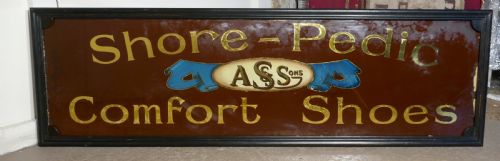
Frames rely on sturdy timber or metal structures to support heavy glass components, including display counters and freestanding picture frames. Trade signs and advertising boards combine painted glass with original wooden surrounds to ensure durability in commercial environments.
Retro Glass Frames Retail Price Guide 2026
Typical asking prices for retro glass frames among the pieces listed under this phrase on Sellingantiques today, from the lower quarter to the upper quarter. They describe what is for sale here now, not the wider market.
Original circus mirrors distort reflections with theatrical charm, reminding us that glass once entertained crowds beneath the big top.
Assessing quality and finish
Quality rests in the originality of the materials and the integrity of the glass plates, whether mirrored, painted, or clear. Superior examples retain their original wooden frames, velvet backings, and authentic signage details without modern replacements.
The precision of Art Deco chrome work and the crispness of painted advertising lettering separate finer decorative objects from standard utility pieces. Patina on mirrored plates and the preservation of original paint layers indicate genuine period character.
The Retro Glass Frames Glossary
- Art Deco
- A design style popular in the 1920s and 1930s characterised by sleek geometric shapes, stylised motifs, and modern industrial materials like chrome.
- Triptych
- A picture frame or mirror divided into three panels, where the outer wings typically hinge to angle inward around the central section.
- Tempera
- A permanent, fast-drying painting medium consisting of coloured pigment mixed with a water-binder agent, often egg yolk.
- Distressed
- A surface treatment showing intentional or natural wear, ageing, and weathering that reveals earlier layers or creates an antique appearance.
Retro Glass Frames: Frequently Asked Questions
What periods do retro glass frames cover?
These items span from late Victorian and 1890s velvet pieces through to 1920s advertising mirrors and 1950s mid-century designs. Each decade brings distinct material choices and aesthetic movements.
Art Deco styles from the 1930s feature prominently, alongside earlier commercial shop signs and circus mirrors from the early twentieth century.
How were advertising mirrors used originally?
Shops, cinemas, and businesses hung these mirrors on walls or placed them on display counters to promote specific brands, footwear, or commercial products to the public.
They served both a practical retail function and a decorative advertising purpose within busy commercial interiors.
Are these frames suitable for modern walls?
Most wall mirrors and picture frames come equipped with sturdy structures that allow straightforward hanging in contemporary domestic interiors. Their varied sizes and geometric shapes work well as focal points in hallways or living spaces.
Careful consideration of weight is necessary when mounting heavier glass and metal pieces to ensure secure wall fixings.
How do I identify Art Deco frames?
Art Deco pieces typically display symmetrical geometric forms, stepped outlines, and the use of modern metals like chrome alongside glass panels. Triptych photo frames and octagonal mirrors are common expressions of this aesthetic.
The clean lines and industrial materials distinguish them from ornate Victorian velvet designs or Edwardian commercial items.