



Retro Glass Bookcase
A retro glass bookcase brings together clean twentieth-century lines and practical shelving, offering a sturdy home for collections.
Retro Glass Bookcase
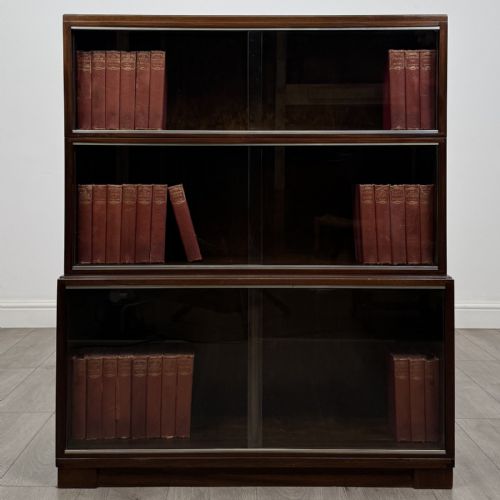
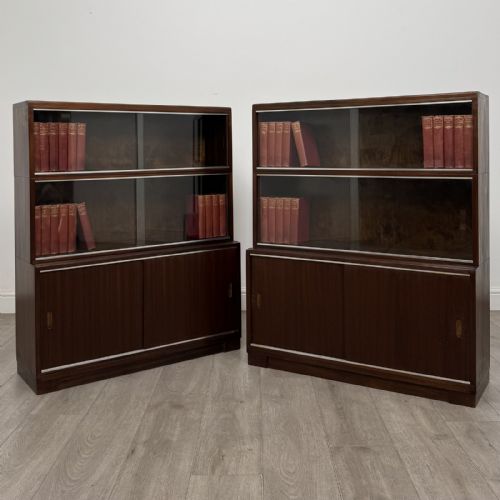
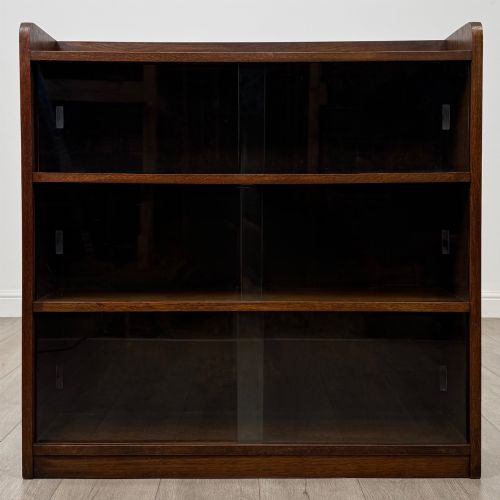
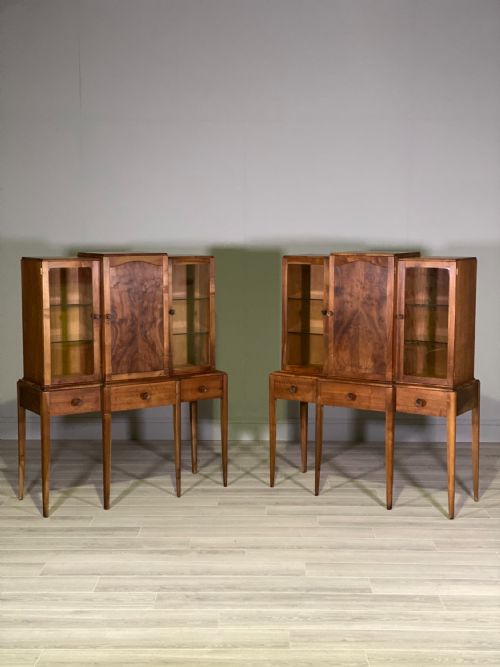
A retro glass bookcase combines timber construction with glazed panels, functioning primarily as a display cabinet or shelving unit for books and decorative objects. The forms span upright bookcases, paired cabinets, and low shelving units designed to protect volumes behind glass doors while keeping titles visible.
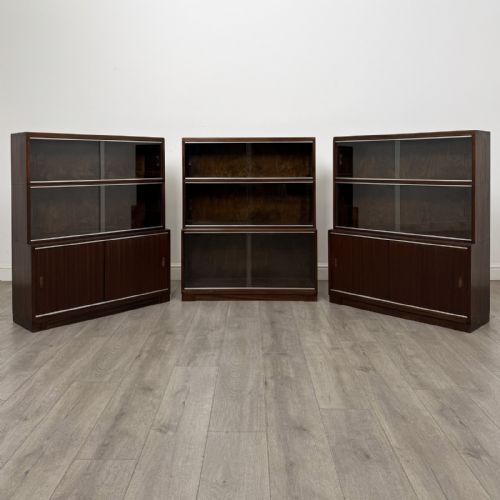
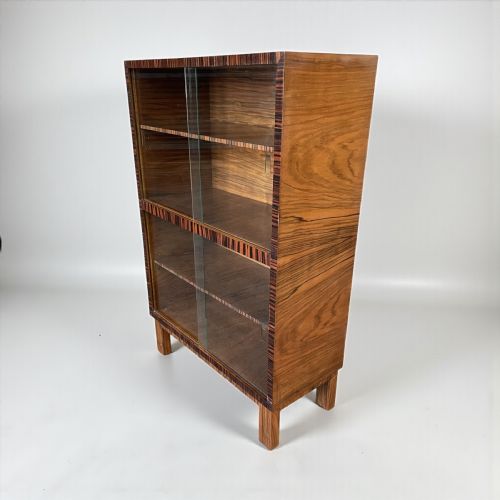
Most examples found in these listings date from the Edwardian period through to the 1950s, encompassing Art Deco and Mid-Century Modern designs. Buyers will frequently encounter pieces utilising teak, mahogany, walnut, and oak, often fitted with sliding glass doors.
Object types recorded in the evidence range from simple single-door bookcases to multi-piece sets from workshops such as the Phoenix Gallery. These items serve modern interiors by providing dust-free storage without sacrificing floor space or visual lightness.
How they were made
Construction relies heavily on traditional cabinet-making timbers like mahogany, walnut, and oak, frequently paired with decorative veneers such as burr walnut and sycamore. Mid-century examples introduce teak and plywood, utilising the natural grain of the wood as the primary decorative feature.
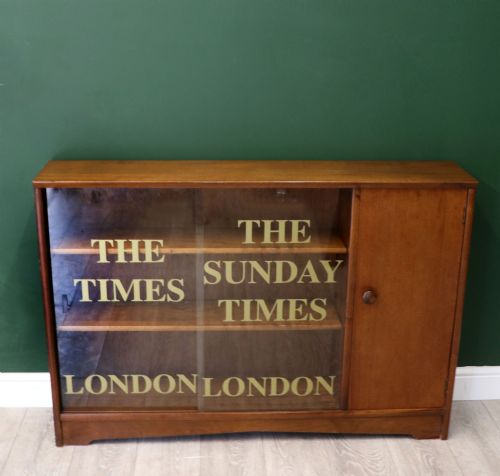
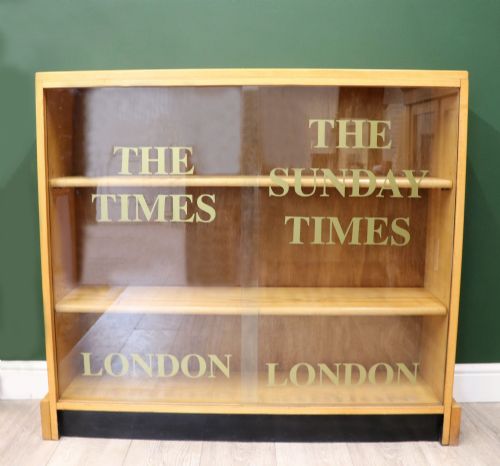
Glazing is integrated directly into doors, which are commonly configured to slide on tracks rather than swing on traditional hinges. Workshops applied polished finishes and subtle applied text where specific commissions or exhibitions required branding.
Retro Glass Bookcase Retail Price Guide 2026
Typical asking prices for retro glass bookcase among the pieces listed under this phrase on Sellingantiques today, from the lower quarter to the upper quarter. They describe what is for sale here now, not the wider market.
Some cabinets carry unexpected applied text referencing The Times and Sunday Times, adding a curious publishing history to the woodwork.
What varies in quality
The standard of timber selection and veneer matching defines the upper tier of these cabinets, particularly on Art Deco pieces utilising burr walnut. Simpler production models rely on straightforward solid oak or mahogany planks with minimal ornamental detailing.
Joinery execution and the smoothness of sliding glass mechanisms distinguish workshop-built items, such as those by Epstein or Herbert Gibbs, from standard commercial output. The presence of secondary timbers and the precision of edge banding indicate the care taken during manufacture.
Herbert Gibbs·Epstein·Phoenix Gallery·Arthur Reynolds Of Ludlow
The Retro Glass Bookcase Glossary
- Sliding glass doors
- Glass panels mounted on parallel tracks that glide horizontally. This mechanism saves floor space by removing the clearance arc required by hinged doors.
- Burr walnut
- Timber harvested from walnut tree growths that produce complex, swirling grain patterns. It is sliced into decorative veneers for high-end cabinet doors and top panels.
- Mid-Century Modern
- A design movement spanning the mid-twentieth century characterised by functional forms and clean lines. Pieces from this era often utilise teak and minimalist framing.
Retro Glass Bookcase: Frequently Asked Questions
How do I clean the glass doors safely?
Use a soft microfiber cloth and a mild glass cleaner sprayed onto the cloth rather than directly onto the panel. This prevents liquid from seeping into the surrounding wooden frames or veneer edges.
Avoid abrasive pads or harsh chemical solvents that could damage aged glass surfaces or strip the surrounding timber polish.
Are sliding glass doors original to these pieces?
Sliding glass doors are a standard feature on many Edwardian, Art Deco, and mid-century display cabinets found in these listings. They were designed to provide easy access to books while keeping dust accumulation to a minimum.
Replacement glass panels do occur, so inspect the edges and thickness to ensure they match the period manufacturing standards of the cabinet.
How do I identify Art Deco styling?
Art Deco pieces typically feature geometric forms, symmetrical layouts, and striking veneer patterns such as burr walnut. These designs emerged strongly during the 1930s.
They often eschew heavy Victorian ornamentation in favour of streamlined silhouettes that emphasise the natural grain of the wood.
Can these cabinets support heavy book collections?
Most bookcases and display cabinets from the 1920s to the 1950s are constructed from solid hardwoods like oak, mahogany, and walnut, providing robust internal framing. Shelving thickness and support brackets determine the actual weight capacity.
Distribute heavier volumes evenly across the shelves to maintain structural integrity and prevent bowing over time.