



Retro Dressing Table
A retro dressing table brings strong geometry and striking materials to the bedroom, offering a functional centrepiece built with enduring character.
Retro Dressing Table
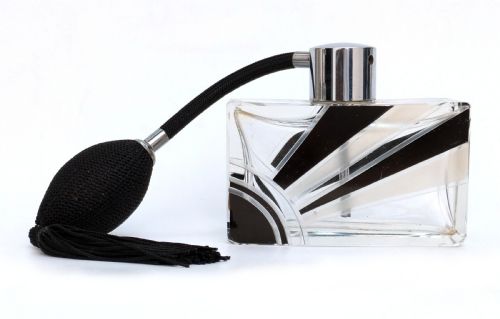
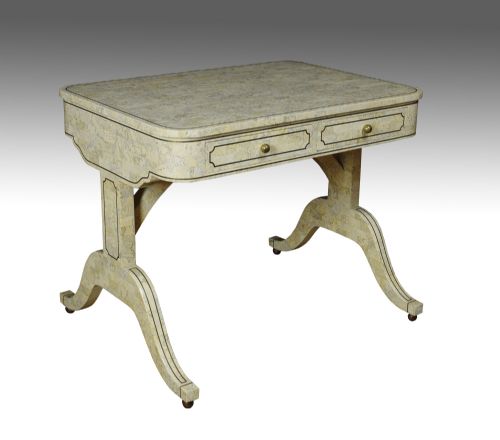
A retro dressing table encompasses vanity furnishings and related bedroom pieces originating from periods such as the 1920s, 1930s, and 1940s, alongside later mid-century and postmodern iterations. Buyers searching for a retro dressing table will encounter forms ranging from streamlined wood dressing chests with matching stools to specialised vanity mirrors and atomisers.
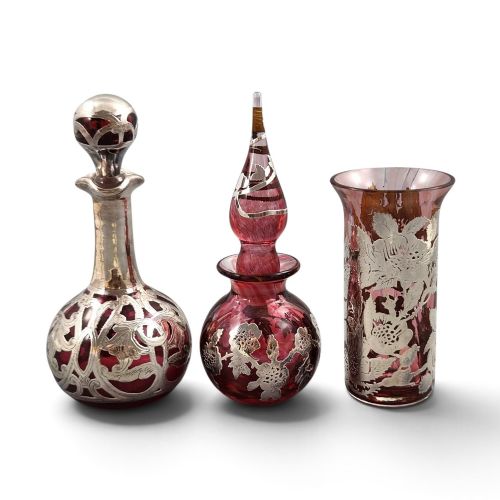
The most common examples on this page date from the Art Deco era of the 1930s, featuring characteristic geometric lines and distinctive materials. Alongside traditional tables, the selection includes related vanity items like ruby glass ensembles and brass tri-fold mirrors that complete the dressing area setup.
Pieces span multiple decades and stylistic influences, moving from early twentieth-century designs through to late twentieth-century expressions. Each item serves both a practical role and a decorative function within the modern interior.
Materials and construction
Construction relies upon a distinct palette of materials including sycamore and oak woods paired with reflective glass and polished metals. Artisans utilised chrome, brass, and sterling silver for hardware and structural frames, creating durable surfaces with high visual contrast.
Decorative detailing incorporates specialised elements such as cut glass, ruby glass, and tessellated stone. Fabric upholstery appears on seating elements like dressing table stools, often paired with wooden frames to balance comfort and style.
Retro Dressing Table Retail Price Guide 2026
Typical asking prices for retro dressing table among the pieces listed under this phrase on Sellingantiques today, from the lower quarter to the upper quarter. They describe what is for sale here now, not the wider market.
Listings feature items spanning the 1900s to the 1940s, alongside later twentieth-century styles.
Evaluating quality and craftsmanship
Quality rests upon the integrity of the materials and the precision of the joinery in the wooden frames. Superior pieces display thoughtful timber selection, such as sycamore or oak, matched with substantial brass or chrome hardware rather than plated substitutes.
The sophistication of the design execution separates standard items from exceptional examples. Pieces featuring integrated mirrors, well-configured storage compartments, and harmonious matching stools demonstrate higher design cohesion.
Gorham·Cartier London
The Retro Dressing Table Glossary
- Art Deco
- A design style spanning the 1920s and 1930s characterised by streamlined geometric forms and modern industrial materials. It remains the defining aesthetic for many vintage vanity tables.
- Sycamore
- A light-coloured hardwood frequently utilised for cabinet making and furniture surfaces during the early twentieth century. Its pale grain provides a clean backdrop for Art Deco designs.
- Tri-fold mirror
- A three-panel mirror configuration where the outer wings angle inward to allow multiple viewing angles. These are commonly found mounted to dressing tables or used as tabletop accessories.
- Atomiser
- A small spray bottle designed for perfume, often featuring cut glass and metal pump mechanisms. They frequently form part of a larger vanity set on a dressing table.
Retro Dressing Table: Frequently Asked Questions
What is a retro dressing table?
A retro dressing table is a dedicated vanity furniture piece originating from twentieth-century design movements, primarily featuring the styles of the 1920s, 1930s, and mid-century periods.
These pieces typically incorporate a table surface, drawers for storage, and an attached or matching mirror for grooming.
How do I style a dressing table?
You can style a dressing table by pairing it with a matching stool and arranging complementary vanity items such as perfume atomisers and trinket boxes on the surface.
Keeping the tabletop uncluttered highlights the original wood grain, metal frames, and geometric design of the period.
Are mirrors usually included?
Mirrors frequently accompany these tables, either permanently attached to the frame or designed as separate easel and tri-fold variants.
Some configurations rely on separate tabletop mirrors placed directly on the surface rather than fixed structures.