



Retro Display Shelving
Retro display shelving brings practical storage and architectural character into a room, spanning pieces from the Edwardian era through to mid-century modern designs.
Retro Display Shelving
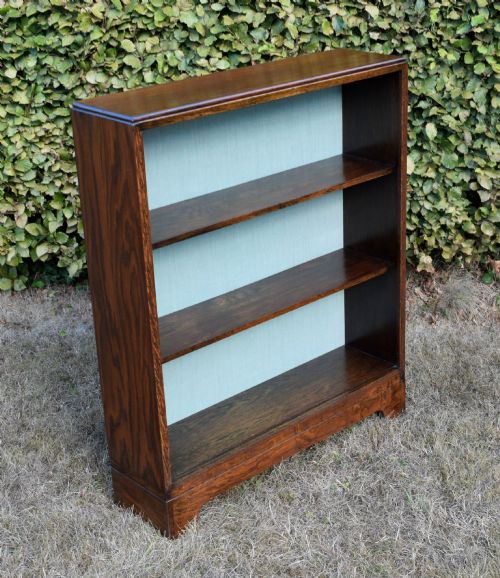
Retro display shelving encompasses practical storage solutions including bookcases, display cabinets, and open shelving units designed to organise books and decorative objects. These items emerge from various periods such as the Edwardian era and the 1920s, 1930s, and 1940s.
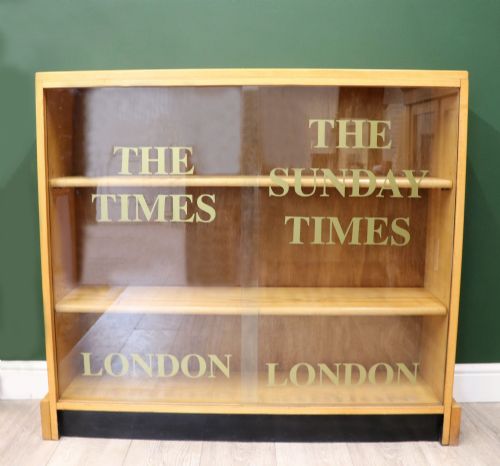
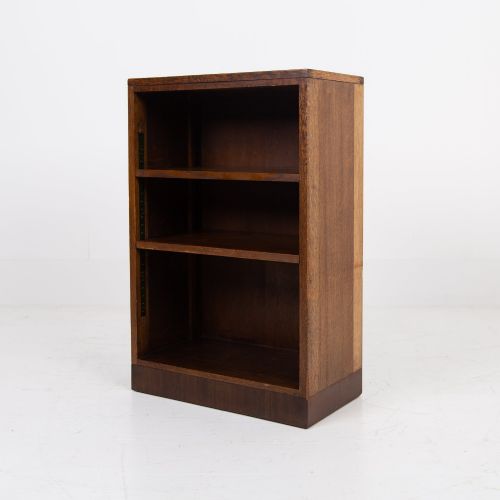
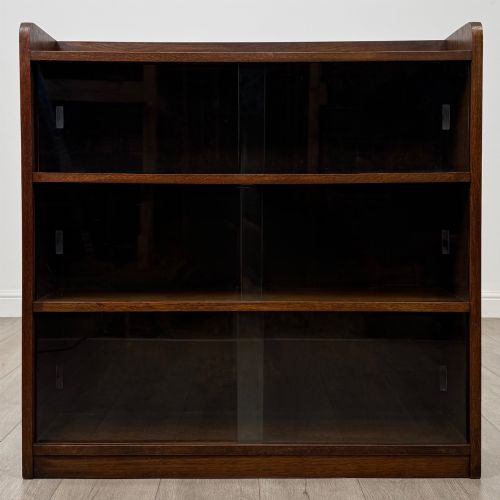
The selection on this page relies heavily on Art Deco and 20th century British styles, alongside unassigned pieces that share similar period characteristics. Buyers will encounter both open shelving units and closed cabinets with sliding glass doors.
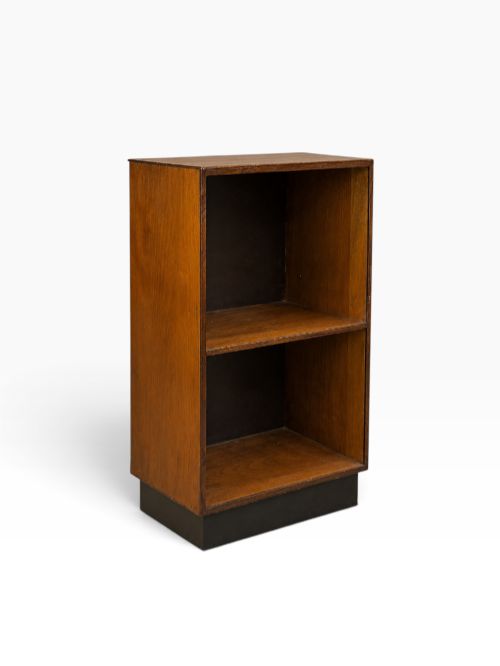
Forms range from compact display boxes to substantial breakfront bookcases and sectional Globe Wernicke units. Each piece offers a distinct method for exhibiting and storing collections within domestic spaces.
How they were made
Construction relies on traditional timbers including oak, ash, walnut, and general wood veneer, often paired with plywood for structural backing or internal panels. Timber surfaces are occasionally complemented by leather top inserts and brass hardware.
Retro Display Shelving Retail Price Guide 2026
Typical asking prices for retro display shelving among the pieces listed under this phrase on Sellingantiques today, from the lower quarter to the upper quarter. They describe what is for sale here now, not the wider market.
Listings feature pieces from the Edwardian period alongside 1920s, 1930s, and 1940s items.
What varies in quality
Quality differentiates itself through the selection of cabinet timbers and veneer work, where superior examples exhibit thoughtful grain matching and robust construction. The inclusion of specialised hardware such as brass details or specialised sliding glass mechanisms also marks a higher standard.
The integrity of period execution, from distinct Art Deco geometric lines to refined Edwardian joinery, dictates the standing of each piece. Simpler utilitarian items sit at the accessible end of the scale, while distinct stylistic interpretations command greater attention.
The Retro Display Shelving Glossary
- Breakfront
- A cabinet design where the central section projects forward from the flanking outer sections. This configuration adds architectural depth and visual weight to larger shelving units.
- Globe Wernicke
- A brand name frequently used to describe sectional barrister bookcases composed of stacked, glass fronted modular units. Each tier operates independently to protect books while allowing modular expansion.
- Veneer
- A thin layer of fine wood applied over a secondary timber base to create decorative grain patterns. This technique allows cabinet makers to utilise striking figures without exhausting solid hardwood resources.
- Art Deco
- A design style characterised by sleek geometric shapes, stylised motifs, and streamlined forms popular during the 1920s and 1930s. It represents a departure from heavily ornamented historical revivals.
Retro Display Shelving: Frequently Asked Questions
What is retro display shelving?
Retro display shelving covers storage furniture designed to hold books and decorative items, primarily originating from the early to mid twentieth century.
These pieces include bookcases, open shelving units, and cabinets featuring materials like oak, walnut, and glass.
How do I date a bookcase?
Dating relies on observing construction materials, stylistic markers, and hardware associated with specific periods like the Edwardian era or the 1930s.
Art Deco geometric lines or traditional oak joinery provide clear clues to a piece's manufacturing era.
Are sliding glass doors original?
Sliding glass doors appear on period pieces such as Edwardian and Art Deco display cabinets to protect contents while saving floor space.
Evaluating the glass thickness and framing helps confirm whether the glazing matches the original cabinet construction.
How do I use these in a modern room?
These shelving units provide functional storage that anchors a room while offering surface area for books and displayed objects.
Mixing period timber tones with contemporary decor creates a balanced interior space.