



Retro Display Shelf
A retro display shelf brings period character to a room while holding your books and objects.
Retro Display Shelf
When you search for a retro display shelf, you are looking at practical storage pieces from the early and mid-twentieth century that combine display space with shelving. The items gathered under this heading span the 1920s, 1930s, and 1940s, offering period utility for modern homes.
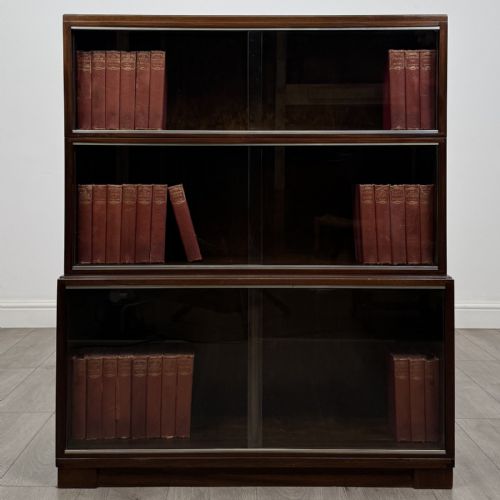
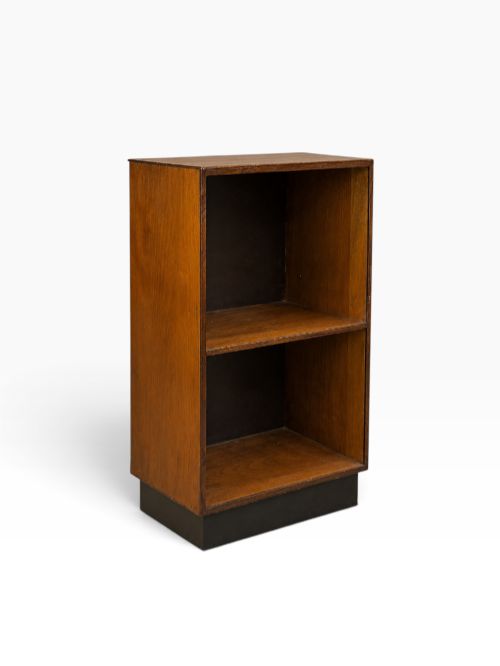
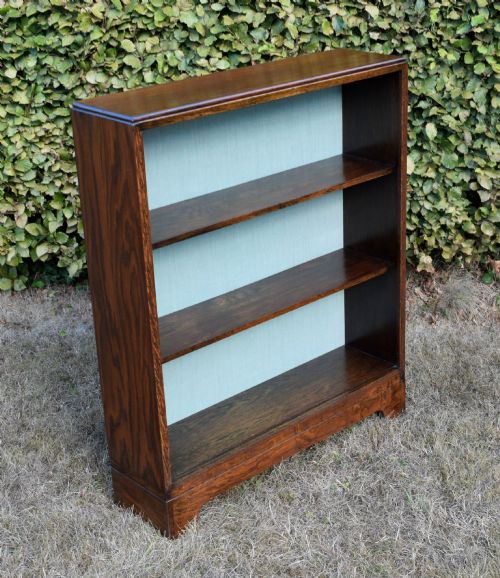
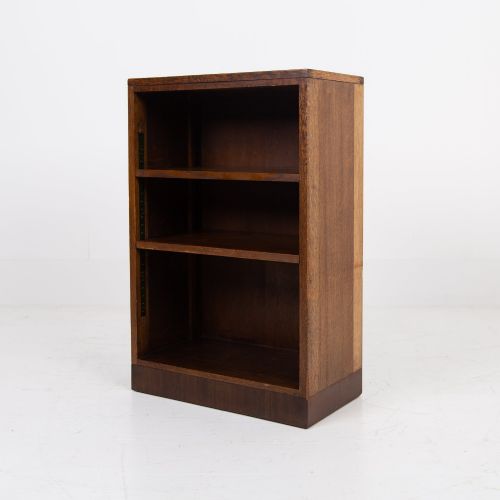
You are most likely to meet bookcases, open shelving units, and cabinets styled in the Art Deco or Mid-Century Modern traditions. Many examples incorporate sliding glass doors or glass panels to keep dust from your volumes and ornaments.
The forms range from modular boxes and breakfront units to classic bureau styles and sectional lawyer cases. They originate from decades where timber craftsmanship met changing domestic tastes for streamlined living.
How they were made
Cabinet makers utilised a variety of solid timbers and figured veneers, including oak, ash, mahogany, burr walnut, sycamore, and timber plywood. These woods were chosen for their grain patterns and structural reliability.
Retro Display Shelf Retail Price Guide 2026
Typical asking prices for retro display shelf among the pieces listed under this phrase on Sellingantiques today, from the lower quarter to the upper quarter. They describe what is for sale here now, not the wider market.
Sectional bookcases let you rearrange your reading material one glass-fronted box at a time.
What varies in quality
The distinction between standard examples and finer pieces often lies in the selection and application of wood veneers. Elaborate grain choices, such as burr walnut matched with sycamore, elevate the visual impact of a cabinet.
Construction methods and named workshop origins also divide the range. Pieces bearing maker attributions or complex breakfront designs demonstrate a higher level of cabinet-making ambition than plain utility shelving.
Heals·Epstein
The Retro Display Shelf Glossary
- Art Deco
- A design style spanning the 1920s and 1930s characterised by geometric shapes, stylised motifs, and sleek lines. It influenced furniture makers to favour streamlined silhouettes.
- Breakfront
- A piece of furniture where the central section projects forward from the flanking outer sections. This architectural arrangement adds depth to large bookcases and cabinets.
- Globe Wernicke
- A sectional bookcase system comprising stackable glass-fronted lawyer cabinet units. Each tier operates independently to protect books from dust.
Retro Display Shelf: Frequently Asked Questions
What is a retro display shelf?
A retro display shelf is a vintage storage unit from the early to mid-twentieth century designed to hold books and decorative items while showing them off through glass or open fronts.
These pieces typically date from the nineteen twenties to the nineteen forties and showcase period styles such as Art Deco.
How do I date a retro display shelf?
Dating these items involves looking at the prevailing styles, materials, and construction techniques used in the piece. Pieces from the nineteen twenties and thirties often display distinct Art Deco geometric lines or traditional oak joinery.
Examining the type of glass, handles, and timber veneers also helps place the furniture accurately within its historical decade.
Are sliding glass doors common?
Sliding glass doors frequently appear on cabinets and bookcases from this era to save space in smaller rooms. They allow for easy viewing and access while keeping your displayed items protected.
This practical feature remains a defining characteristic of many vintage display units.
How do I style a retro display shelf at home?
You can style these units by balancing books with ceramics, glassware, and small sculptures across the available shelves. Mixing vertical book stacks with horizontal objects creates visual variety.
Letting the natural grain of the oak, ash, or walnut remain visible helps the piece anchor the room's decor.