


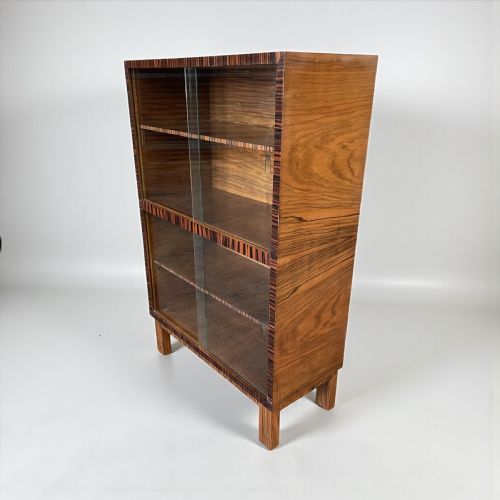


Retro Display Cabinet
A retro display cabinet brings mid-century or art deco architectural character to your room while keeping your books and collections visible.
Retro Display Cabinet
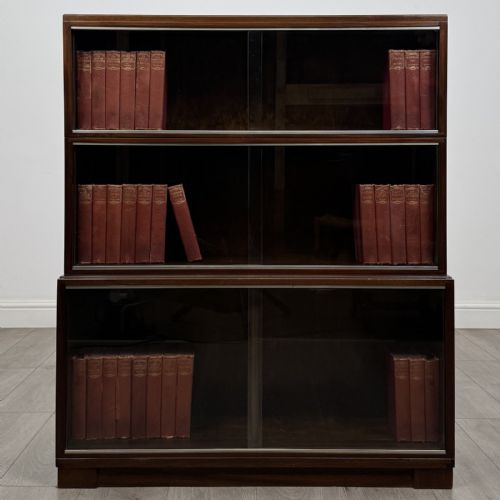
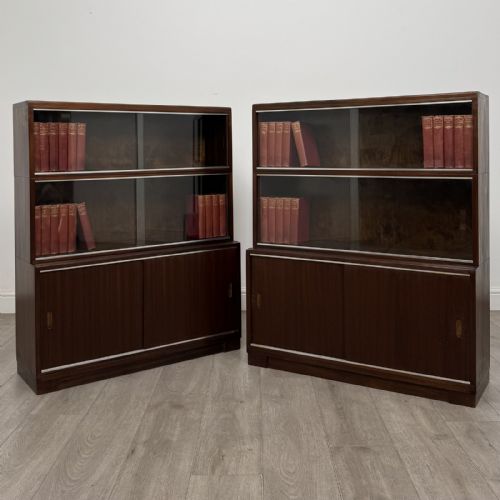
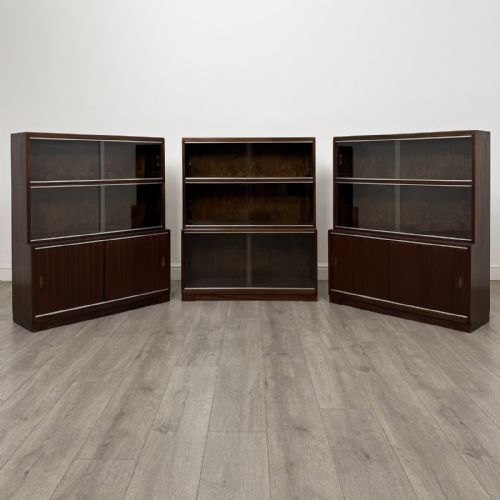
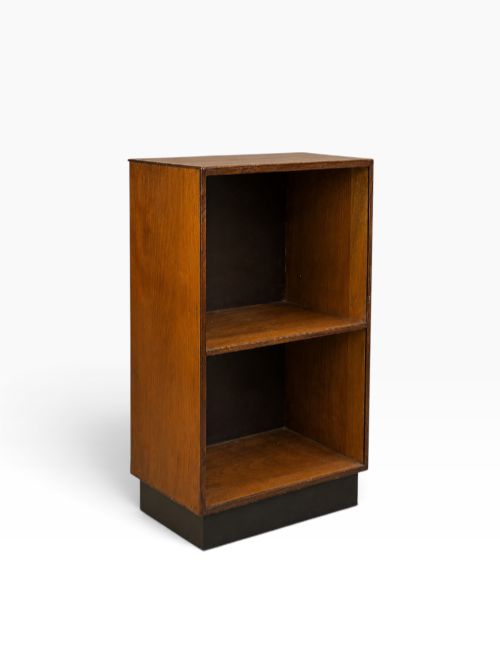
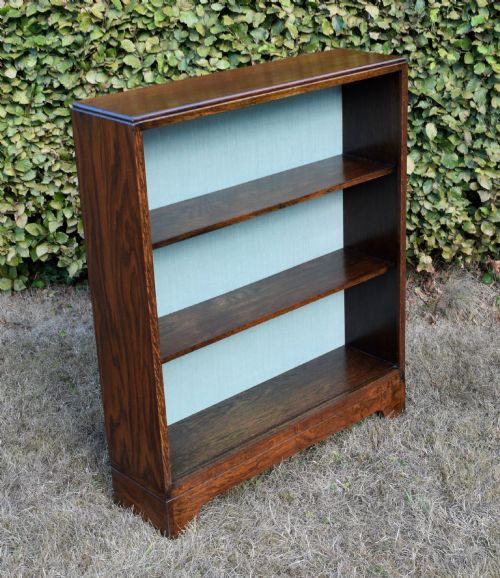
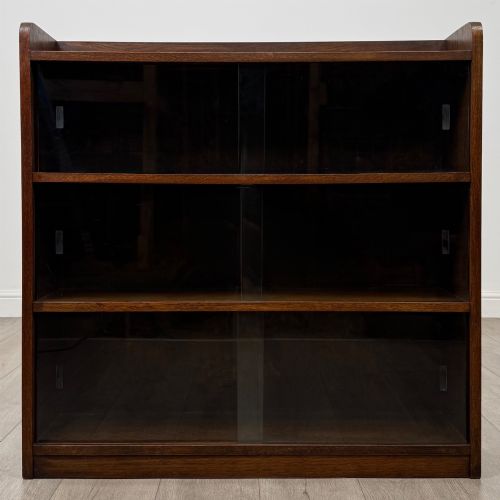
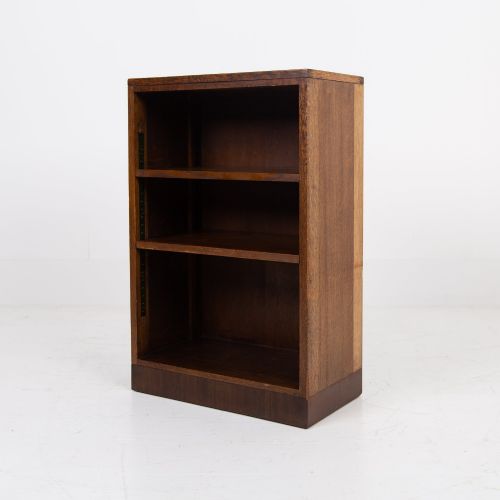
A retro display cabinet serves as a practical storage piece designed to showcase items behind glass panels while adding distinct twentieth-century style to an interior space. These units take many forms, from tall bookcases and shop counters to specialised haberdashery cases and medical cabinets.
Most examples found in this selection originate from the 1930s, embodying strong art deco influences alongside mid-century modern designs from the 1950s. You will also encounter earlier Edwardian oak pieces and vintage advertising items that bring functional character to a domestic setting.
How they were made
Cabinet makers utilised timber frameworks of oak, mahogany, and walnut, frequently applying decorative wood veneer such as burr walnut or ash to the exterior surfaces. These materials were shaped into curved clove forms, breakfront profiles, and rectilinear structures.
Glazing played a central role, featuring sliding glass doors or fitted panels alongside brass hardware and occasional aluminium framing. Interiors often incorporated wooden shelving units and fabric linings to support the display of books and objects.
Retro Display Cabinet Retail Price Guide 2026
Typical asking prices for retro display cabinet among the pieces listed under this phrase on Sellingantiques today, from the lower quarter to the upper quarter. They describe what is for sale here now, not the wider market.
A giant advertising sparkling wine bottle stands ready to pour personality into your living space.
What varies in quality
The standard of a retro display cabinet depends heavily on the ambition of its design and the selection of timber veneers. Pieces showcasing figured burr walnut, sycamore, or specialised forms stand apart from standard utilitarian storage units.
Attribution to known designers or workshops elevates a piece, as seen in items bearing distinct stylistic markers or maker signatures. The integration of sliding glass mechanisms and solid framing further distinguishes finer examples.
Epstein·Arthur Reynolds Of Ludlow·Phoenix Gallery·Chadwick
The Retro Display Cabinet Glossary
- Art Deco
- A design style from the early twentieth century characterised by sleek geometric shapes, streamlined forms, and decorative modernism. It heavily influences many cabinets from the 1930s.
- Haberdashery Cabinet
- A shop display unit featuring multiple glass-fronted drawers or compartments originally used for selling sewing notions and small dry goods. They now function as collectors' display furniture in homes.
- Breakfront
- A piece of furniture whose central section projects forward from the flanking outer sections. This architectural arrangement creates depth and shadow on large bookcases and cabinets.
Retro Display Cabinet: Frequently Asked Questions
How do I style a retro display cabinet?
Balance the internal shelves by grouping books, ceramics, and glassware with varying heights and textures. Leave some space empty to let the timber frame and glass panels remain the focal point.
Position the cabinet away from direct sunlight to protect the wood veneer and any interior fabric linings from fading over time.
What is the difference between art deco and mid-century cabinets?
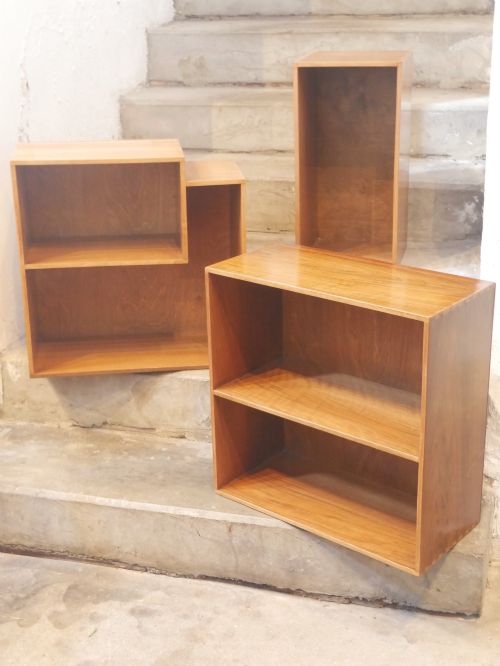
Art deco cabinets from the 1930s typically feature rich veneers, curved silhouettes like clove shapes, and dramatic architectural presence. Mid-century designs from the 1950s lean towards teak construction, cleaner lines, and minimalist framing.
Both styles utilise glass doors for visibility, but their overall proportions and surface treatments reflect their respective decades of design.
Can I use a medical or shop cabinet at home?
Industrial medical cabinets and shop display counters integrate exceptionally well into domestic spaces for storing tableware, linens, or collections. Their metal frames and glass panels offer a striking contrast to traditional wooden furniture.
Ensure the floor surface is level and use appropriate wall fixings if the height or weight of the metal unit requires added stability.
How do I care for wood veneer surfaces?
Dust the cabinet regularly with a soft, dry cloth to prevent dirt accumulation on the polished wood and glass surfaces. Avoid harsh chemical cleaners that can damage vintage lacquer and veneer.
Maintain a stable room temperature and humidity level to prevent the wood veneer from drying out, cracking, or lifting at the edges.