

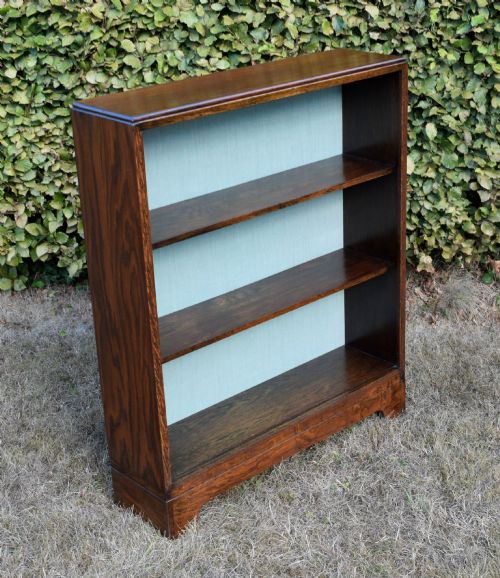
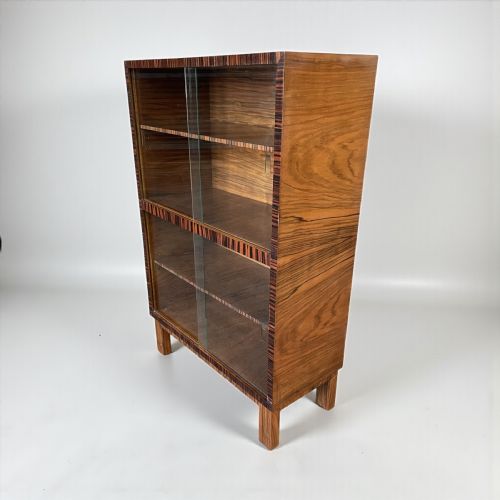


Retro Display Bookcase
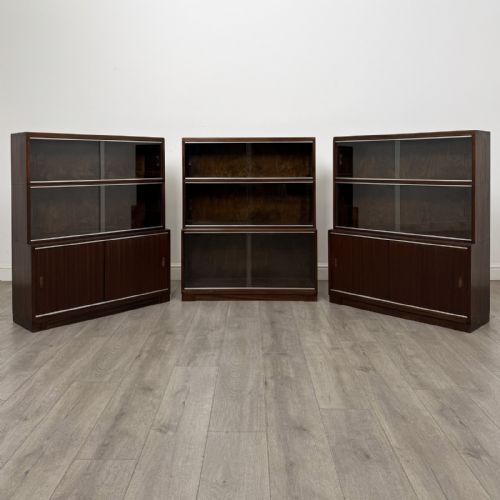
These retro display bookcase pieces combine practical storage with glass-fronted visibility, bringing mid-century and earlier design directly into modern rooms.
Retro Display Bookcase
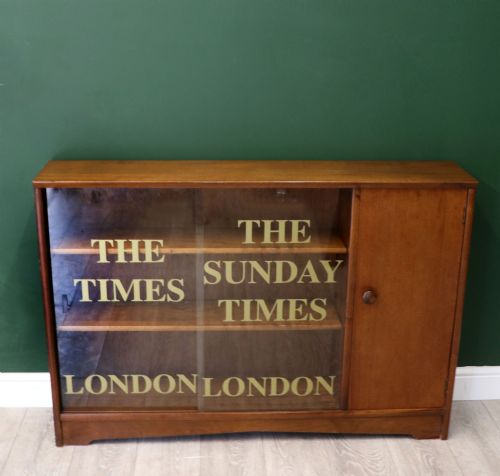
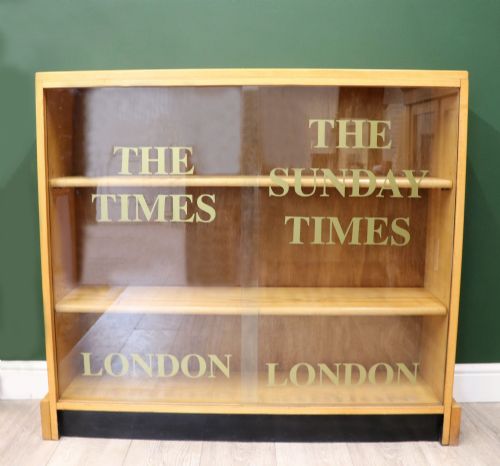
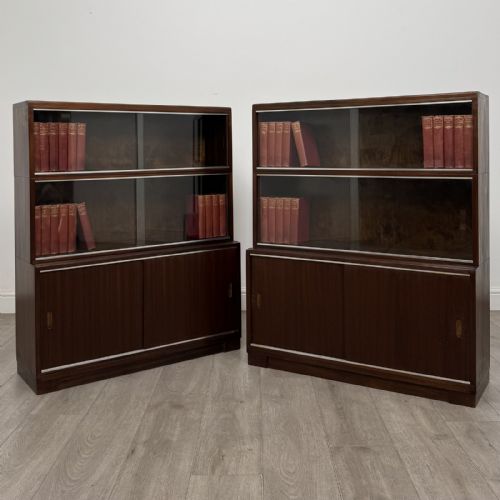
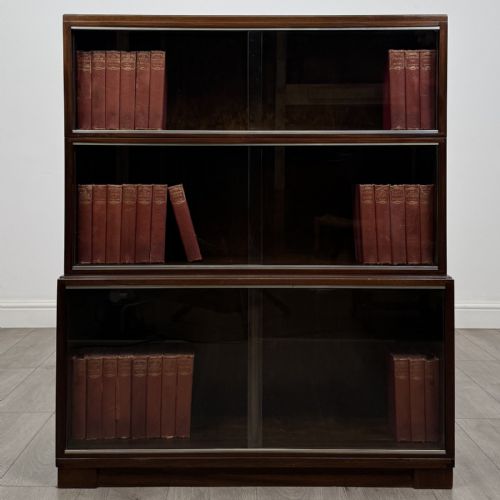
A retro display bookcase serves dual purposes by housing volumes while exhibiting prized objects behind glazed fronts. The pieces gathered here span the Edwardian era through the nineteen-fifties, with nineteen-thirties items forming a strong core.
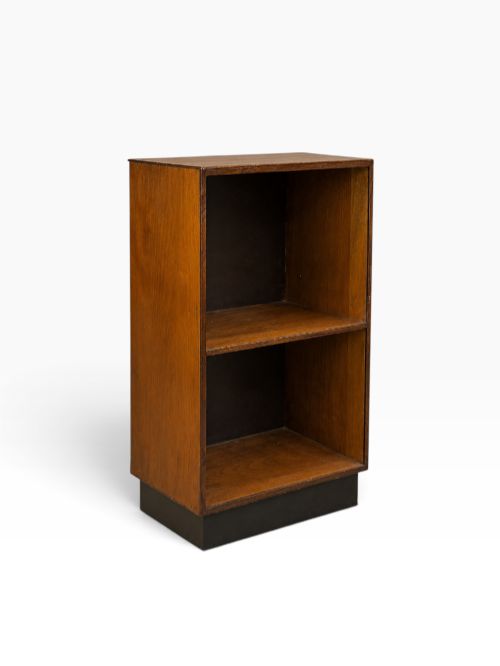
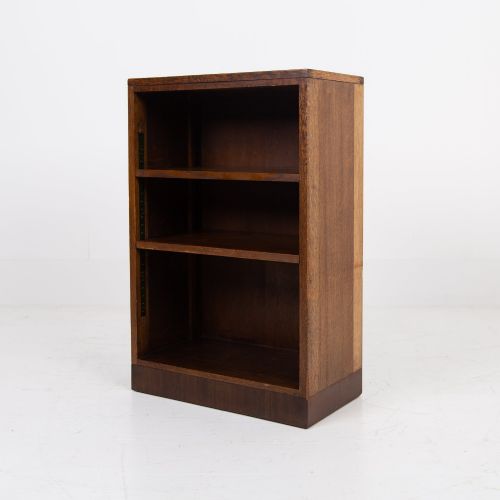
Forms range from open-shelved timber units to compartmentalised cabinets with sliding glass doors. Mid-century teak and walnut examples sit alongside earlier mahogany and oak constructions representing diverse twentieth-century styles.
Materials and construction
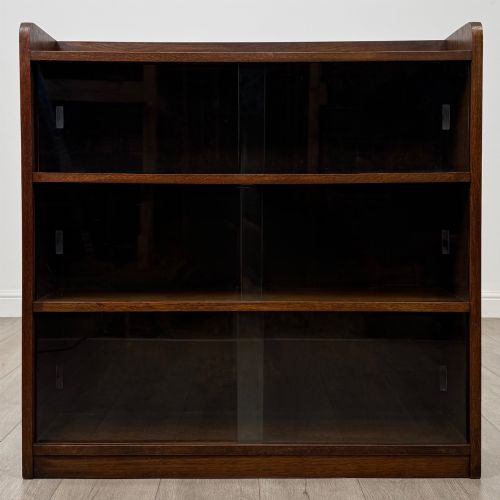
Cabinet makers utilised a variety of solid timbers alongside decorative veneers such as burr walnut, ash and sycamore. Frames often incorporate sliding glass panels to protect contents while maintaining clear visibility.
Secondary details include brass hardware and occasional leather work surfaces. Structural integrity relies on traditional joinery applied across diverse manufacturing periods.
Retro Display Bookcase Retail Price Guide 2026
Typical asking prices for retro display bookcase among the pieces listed under this phrase on Sellingantiques today, from the lower quarter to the upper quarter. They describe what is for sale here now, not the wider market.
The listings span the Edwardian era through the nineteen-fifties, featuring oak, mahogany, walnut, teak, ash, and sycamore.
Distinctions in quality
Quality reveals itself through the selection of cabinet timbers and the grain alignment of surface veneers. Superior items display careful finishing on secondary surfaces and smooth operation of sliding doors.
Attribution to documented makers or specific retail galleries elevates certain pieces above standard commercial production. The precision of inlaid details and brass fittings further separates exceptional examples from ordinary ones.
Herbert Gibbs·Epstein·Phoenix Gallery·Arthur Reynolds Of Ludlow
The Retro Display Bookcase Glossary
- Breakfront
- A cabinet design where the central section projects forward from the flanking wings. This configuration adds architectural depth and visual variety to large storage units.
- Art Deco
- A design style spanning the nineteen-twenties and thirties characterised by sleek geometric forms and stylised ornamentation. Pieces from this movement often utilise contrasting exotic timbers.
- Sliding glass doors
- Horizontal opening panels glazed to protect books and collectibles from dust. They offer a space-saving alternative to traditional hinged doors in compact rooms.
Retro Display Bookcase: Frequently Asked Questions
What is a retro display bookcase?
A retro display bookcase is a storage unit featuring shelving combined with glass doors, originating primarily from the mid-twentieth century or earlier decades.
These pieces were designed to store literature while simultaneously displaying decorative items and collectables in living spaces.
How do I date these bookcases?
Dating relies on stylistic markers such as Art Deco geometric lines, Edwardian oak framing, or mid-century teak finishes.
Maker signatures, applied labels, and construction methods also provide definitive clues to the decade of manufacture.
How do I care for wood and glass?
Maintain timber surfaces by applying appropriate furniture wax periodically and avoiding direct sunlight to prevent veneer fading.
Clean glass panels with standard solutions, ensuring moisture does not seep into wooden frames or joints.
Where were these cabinets used?
Original settings included domestic living rooms, studies, and formal reception spaces where books and ornaments needed organised presentation.
Today, they function equally well in contemporary apartments and traditional homes as focal storage furniture.