




Retro Coffee Table
A retro coffee table brings practical surface space and distinct period character to a room, ranging from walnut Art Deco tiers to mid-century designs.
Retro Coffee Table
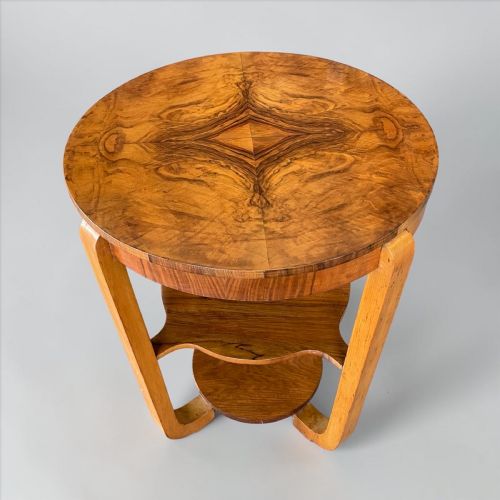
A retro coffee table encompasses low surface furniture designed across several decades, most frequently appearing in Art Deco variants from the nineteen thirties.
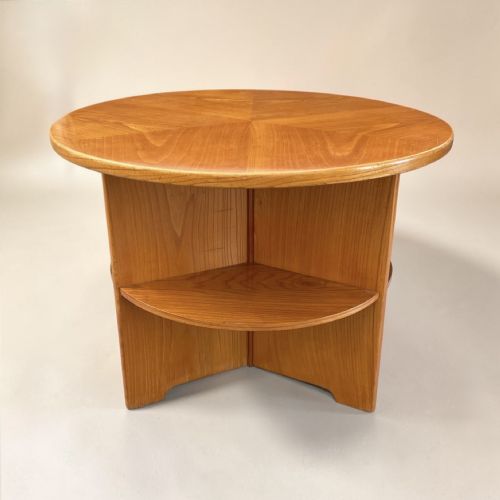
The category spans diverse forms including circular models, occasional tables, side pieces, and tiered structures that serve as central living room furniture.
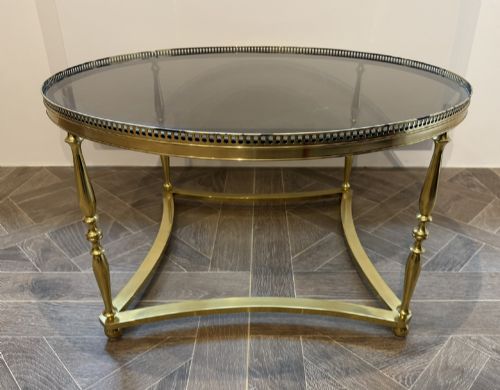
Origins stretch from nineteen twenty Parisian brass work to nineteen sixties mid-century items, offering various historical styles for interior spaces.
Construction and materials
Construction relies heavily on traditional woods such as walnut, oak, and general timber veneers like maple, often paired with structural metal elements.
Makers utilised brass and chrome for framing and decorative trim, while certain pieces incorporate glass tops or marble surfaces for durability and finish.
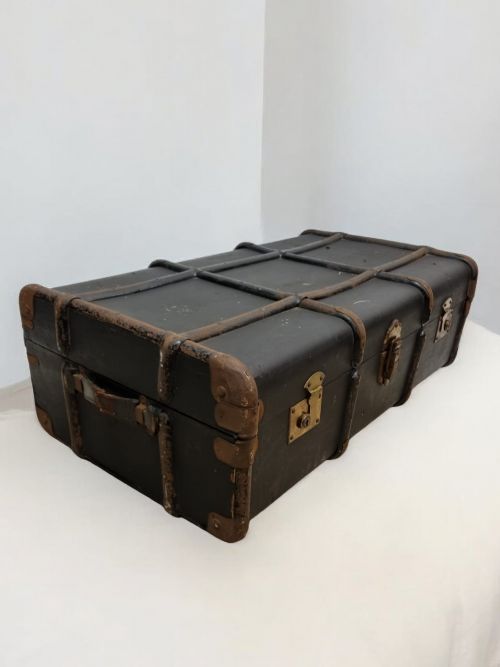
Specialised techniques include tiled top arrangements and woven Lloyd loom construction, alongside fitted original hardware on trunk-style items.
Retro Coffee Table Retail Price Guide 2026
Typical asking prices for retro coffee table among the pieces listed under this phrase on Sellingantiques today, from the lower quarter to the upper quarter. They describe what is for sale here now, not the wider market.
Several tables double as travel trunks complete with original hardware, proving that luggage once doubled as living room furniture.
Assessing quality
Quality differentiates through the choice of primary materials, where solid walnut and select veneers outrank simpler utility construction.
The sophistication of the design dictates value, distinguishing standard occasional pieces from multi-tiered architectural layouts or specific stylistic nods to makers like Heals.
The Retro Coffee Table Glossary
- Art Deco
- A design style prominent in the nineteen thirties characterised by sleek geometric forms and rich wood veneers. It defines a significant portion of these tables.
- Occasional table
- A small, moveable piece of furniture intended for light use rather than heavy daily service. These often accompany larger seating arrangements.
- Veneer
- A thin layer of superior wood glued to a base material to provide a decorative surface. Walnut and maple appear frequently in this application.
- Lloyd loom
- A material made from twisted paper woven onto a wire frame, patented for furniture production. It offers a distinctive textured finish.
- Mid-Century Modern
- A style spanning the mid-twentieth century focused on functional simplicity and clean lines. Pieces from the nineteen sixties represent this aesthetic.
Retro Coffee Table: Frequently Asked Questions
What is a retro coffee table?
A retro coffee table is a low surface piece originating from earlier decades, encompassing styles from nineteen twenties Parisian brass to nineteen sixties mid-century designs.
These items function primarily as living room furniture, offering practical placement for everyday items while adding distinct historical character to an interior.
How do I date a table?
Dating relies on stylistic markers such as Art Deco geometry from the nineteen thirties or mid-century minimalism from the nineteen sixties, alongside material choices like chrome or walnut.
Construction methods and incorporated hardware also provide clues to the era of manufacture, separating early twentieth century utility pieces from earlier neoclassical work.
Are these tables sturdy?
Build quality depends on the materials used, with solid oak, walnut frames, and metal structures providing robust support for daily living room use.
Tiered designs and glass-topped models require mindful placement to maintain stability, though original construction standards generally ensure reliable domestic utility.
Where should I place it?
A retro coffee table suits central positions in a living room, serving as a functional anchor in front of seating arrangements or alongside sofas as a side table.
Smaller occasional tables and tiered models fit well in tighter corners or reading spaces where surface area is needed without bulk.