

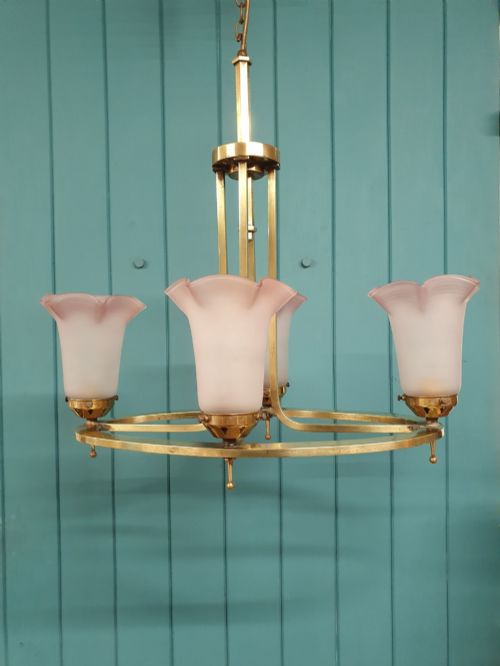


Retro Chandelier
A retro chandelier brings striking twenty-century illumination to a room, offering distinct period character and focused overhead lighting.
Retro Chandelier
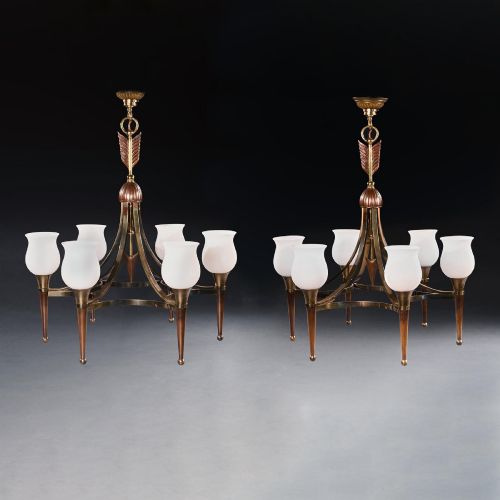
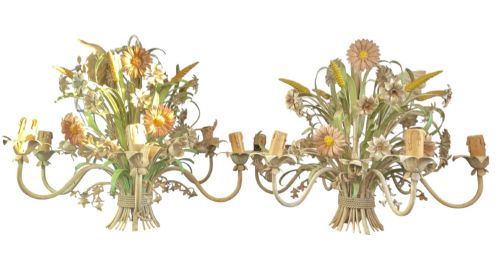
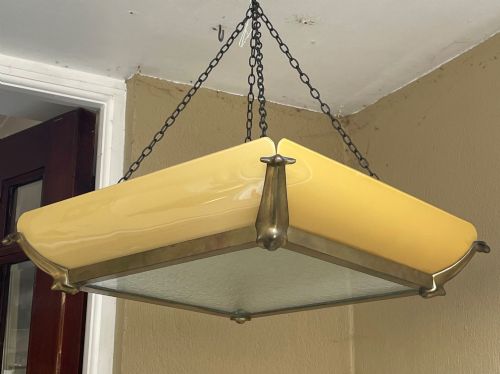
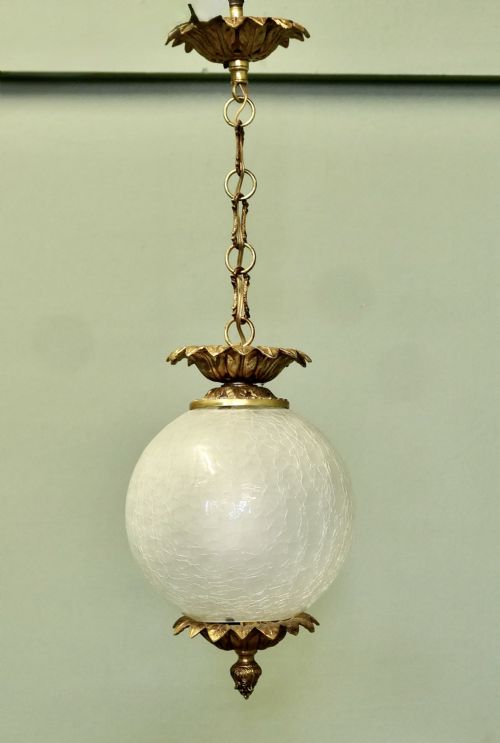
A retro chandelier encompasses ceiling lights and pendant lights drawn primarily from the Art Deco era and mid-century periods, alongside earlier Victorian and Edwardian examples. When exploring a retro chandelier, buyers encounter forms ranging from glass globes and brass frames to alabaster hanging dishes and frosted glass shades.
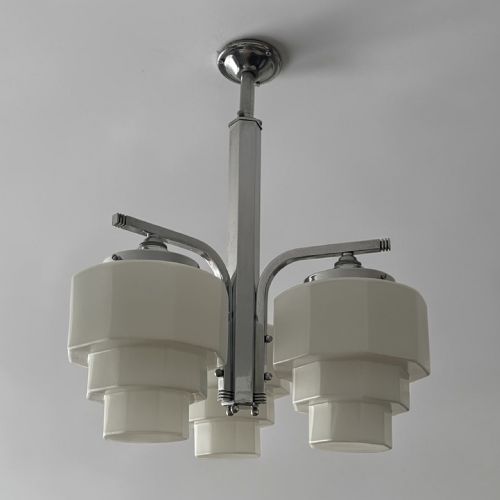
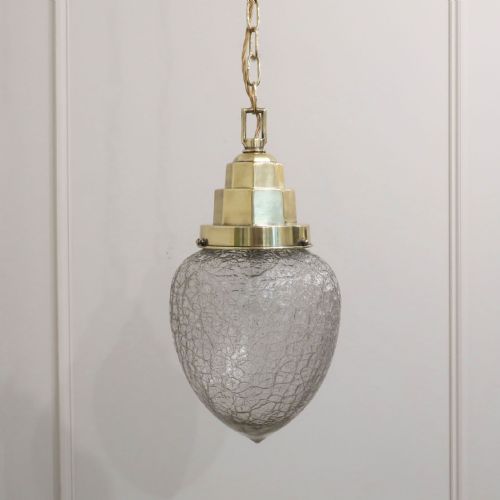
The pieces originating from the 1920s and 1930s dominate the selection, often showcasing geometric lines, crackle glass, and metallic structures in brass, chrome, or copper. Alongside standard multi-light chandeliers, the category includes related ceiling fixtures such as single pendant lights and hanging lampshades.
Origin points span domestic workshops and continental makers, particularly French and Italian studios known for distinctive glasswork and gilded finishes. These hanging fixtures function as primary overhead illumination while serving as strong decorative statements within a room.
Materials and construction
Construction relies heavily on metals such as brass, chrome, gilt metal, and wrought iron to form the structural frames, ceiling roses, and suspension chains. These metals are frequently paired with glass elements, including frosted panels, crackle glass, pink crimped glass shades, and moulded glass bowls.
Moulding and blowing techniques shape the decorative glass shades and globes, while metal spinning and casting produce the supporting fixtures and brackets. Specialised makers incorporate distinct glass treatments, such as the pressed copper and glass combinations seen in French studio pieces.
Retro Chandelier Retail Price Guide 2026
Typical asking prices for retro chandelier among the pieces listed under this phrase on Sellingantiques today, from the lower quarter to the upper quarter. They describe what is for sale here now, not the wider market.
Materials documented across the selection include brass, chrome, wrought iron, alabaster, frosted glass, and pink crimped glass.
Distinctions in quality
Quality reveals itself in the substance of the metal framework and the weight and clarity of the glass elements, where thicker cast brass and heavier moulded glass indicate superior production. The finesse of the metalwork joints, the complexity of the glass texturing, and the integration of specialised shades separate standard production pieces from finer studio work.
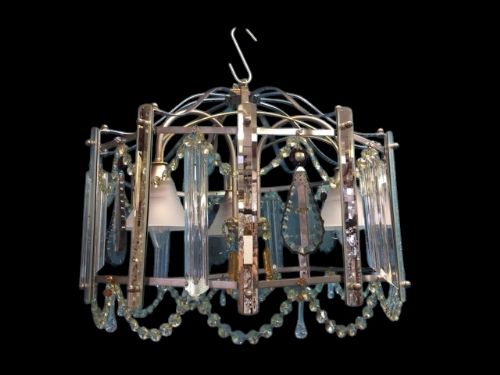
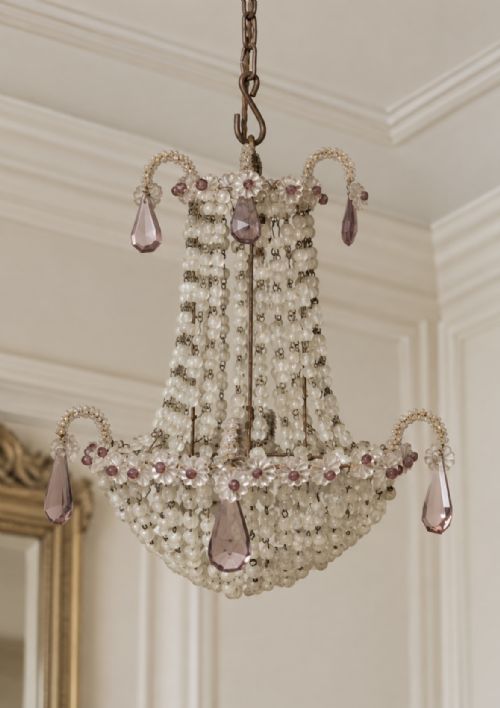
The integrity of the original hanging components and the preservation of delicate glass components, such as crimped edges or intricate drop prisms, influence the overall standing of an individual light fixture.
The Retro Chandelier Glossary
- Art Deco
- A design style prevalent from the 1920s to the 1930s characterised by geometric shapes, stylised motifs, and streamlined industrial forms. It heavily influences the lines and ornamentation of these hanging lights.
- Alabaster
- A fine-grained, translucent stone often carved into shallow dishes for hanging ceiling lights, providing a soft, diffused glow when illuminated from above.
- Crackle glass
- Glass deliberately fractured during the blowing process and then reheated to fuse the outer layer while retaining an internal web of fine cracks, creating a textured surface.
- Pendant light
- A single light fixture suspended from the ceiling by a cord, chain, or metal rod, distinct from a multi-armed branching chandelier.
- Gilt metal
- Metal that has been treated with a thin layer of gold leaf or gilt wash to simulate solid gold or provide a rich, reflective surface finish.
Retro Chandelier: Frequently Asked Questions
What defines a retro chandelier?
A retro chandelier is an overhead lighting fixture typically dating from the early to mid-twentieth century, encompassing Art Deco, Edwardian, and mid-century designs. These pieces utilise materials like brass, chrome, and moulded glass to create distinct architectural forms.
They serve as both functional illumination and decorative centrepieces, drawing on historical styles ranging from Italian glass drops to French pressed glass bowls.
How were these chandeliers originally used?
These fixtures were suspended from living room, dining room, or hallway ceilings to provide general ambient light from above. Multi-light configurations illuminated larger interior spaces, while single pendant lights and hanging dishes focused light downward.
In period homes, they acted as primary focal points in principal reception rooms, complemented by matching wall sconces and table lamps.
How do I install a vintage chandelier?
Installation requires securing the fixture to a structural ceiling joist or suitable electrical box capable of supporting the combined weight of the metal frame and glass components. Professional electrical fitting is recommended to ensure proper wiring integration.
Care must be taken during hanging to adjust the chain or suspension rod to the correct room height while protecting delicate glass shades from impact.
How do I clean and maintain glass shades?
Maintenance involves gently dusting the metal frame and removing glass shades for careful washing in lukewarm water with mild soap. Abrasive cleaners should be avoided to protect specialised finishes like gilt metal or frosted surfaces.
Prisms and glass drops require individual wiping with a lint-free cloth to maintain their clarity and reflective brilliance.