



Retro Ceiling Lamp
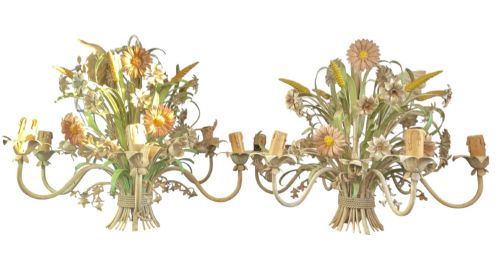
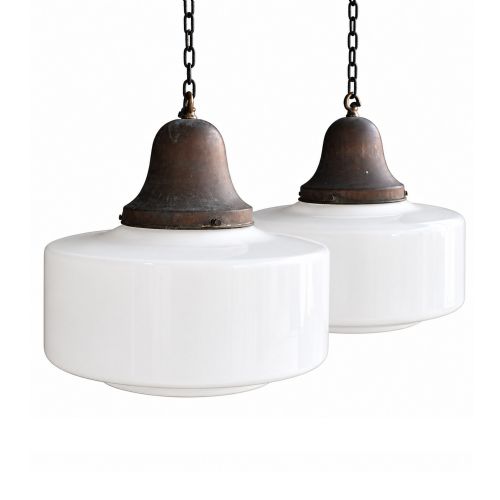
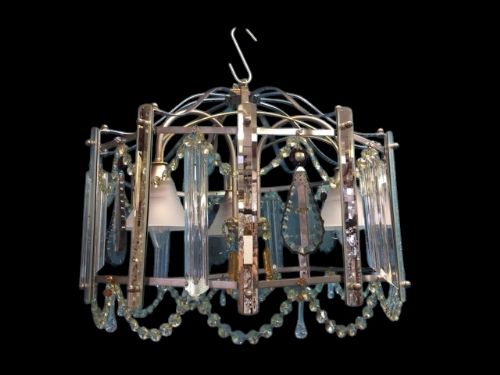
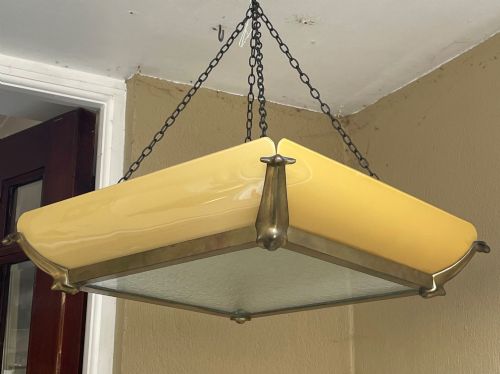
These retro ceiling lamp examples span industrial pendants and Art Deco glass globes, offering distinct period illumination for modern rooms.
Retro Ceiling Lamp
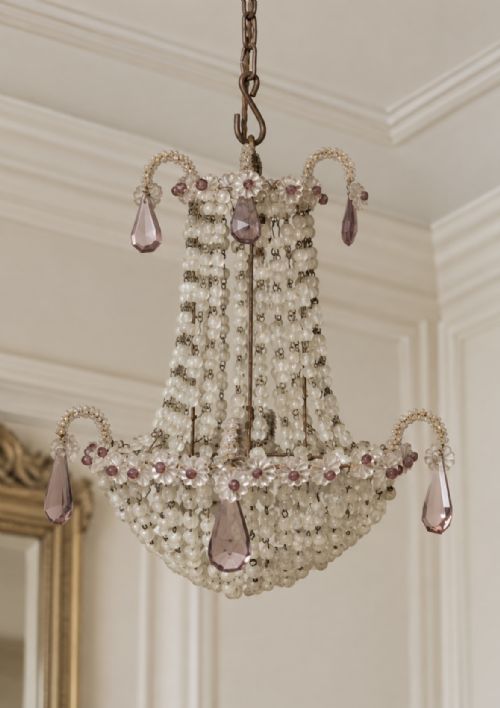
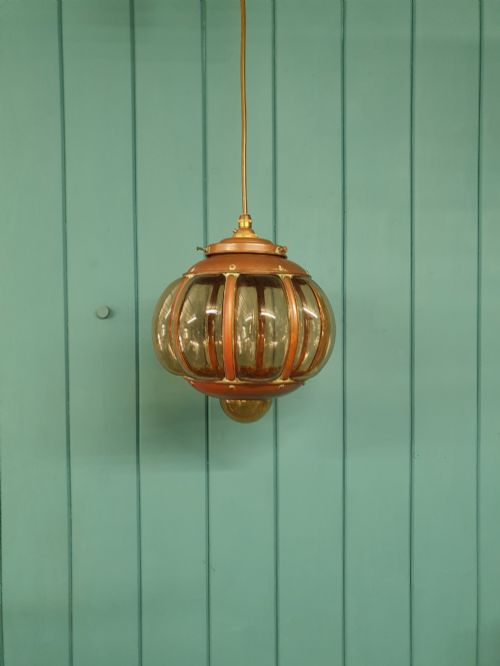
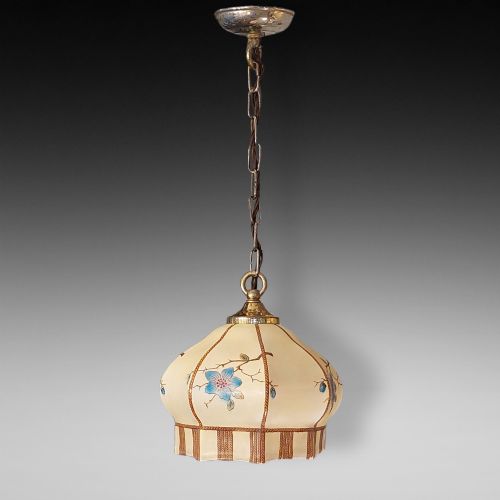
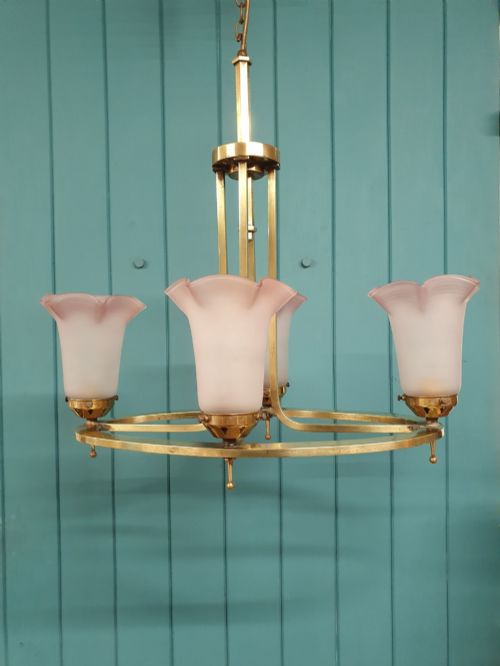
When you search for a retro ceiling lamp, you are looking at overhead fixtures that bring character from the nineteenth century up through the mid-twentieth century into current spaces. The selection relies heavily on pendant lights, chandeliers, and ceiling light shades originating from the 1920s and 1930s.
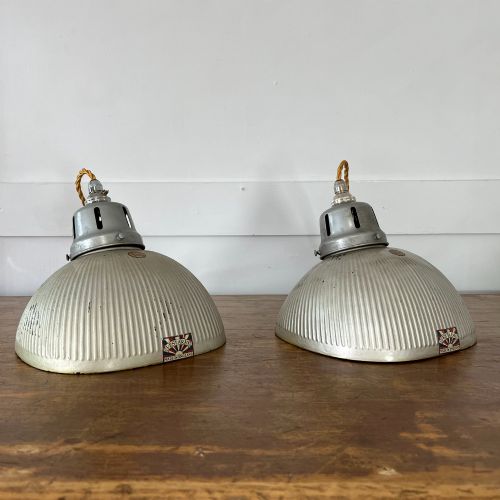
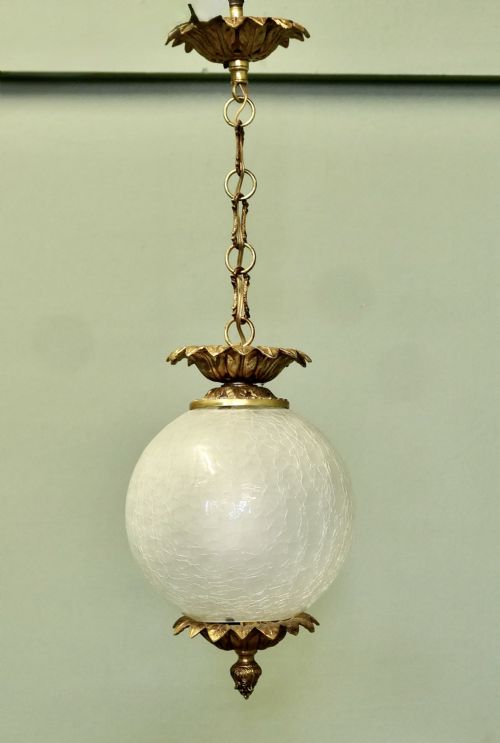
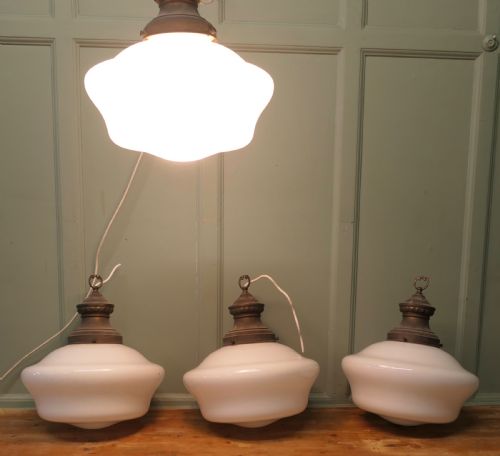
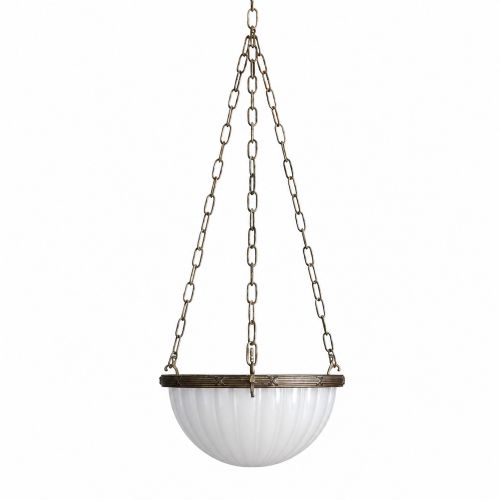
You will most frequently meet pieces defined by Art Deco styling and industrial utilitarian forms. These items include opaline glass globes, brass fittings, and enamel shades originally cast for factories or illuminated hallways.
How they were made
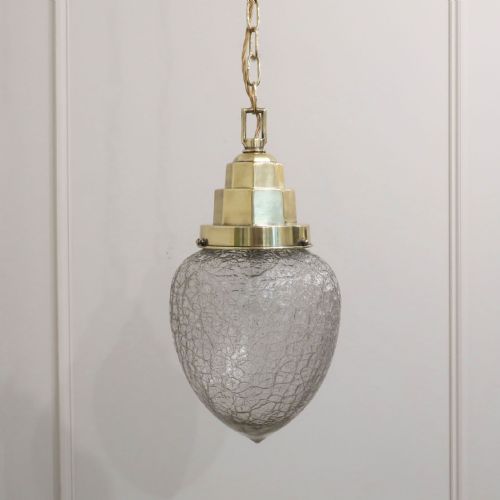
Makers utilised durable metals such as brass, copper, chrome, and steel to form the structural galleries, frames, and chains of each fitting. These structural elements secure glass components ranging from frosted and crackle finishes to heavy moulded opaline glass.
Glass elements were blown, pressed, or hand-painted to create specific light diffusion, paired with metal shades shaped for targeted industrial task illumination.
Retro Ceiling Lamp Retail Price Guide 2026
Typical asking prices for retro ceiling lamp among the pieces listed under this phrase on Sellingantiques today, from the lower quarter to the upper quarter. They describe what is for sale here now, not the wider market.
Fish scale opaline glass proves that previous generations wanted their workspaces illuminated by creatures of the deep.
What varies in quality
Quality rests in the substance of the metalwork and the integrity of the glass diffusers. Heavier gauge brass, copper, and thick opaline or prismatic glass represent superior manufacturing compared to lighter, utilitarian alternatives.
The sophistication of the design execution separates standard utility pieces from high decorative examples, visible in detailed casting, specialised glass textures like crackle or bead work, and signed French or English fittings.
Jean Gauthier·VESTARAY·Jefferson
The Retro Ceiling Lamp Glossary
- Opaline glass
- A milky, semi-translucent glass used extensively in shades to diffuse light softly without glare. It appears frequently in twentieth-century pendant lighting.
- Pendant light
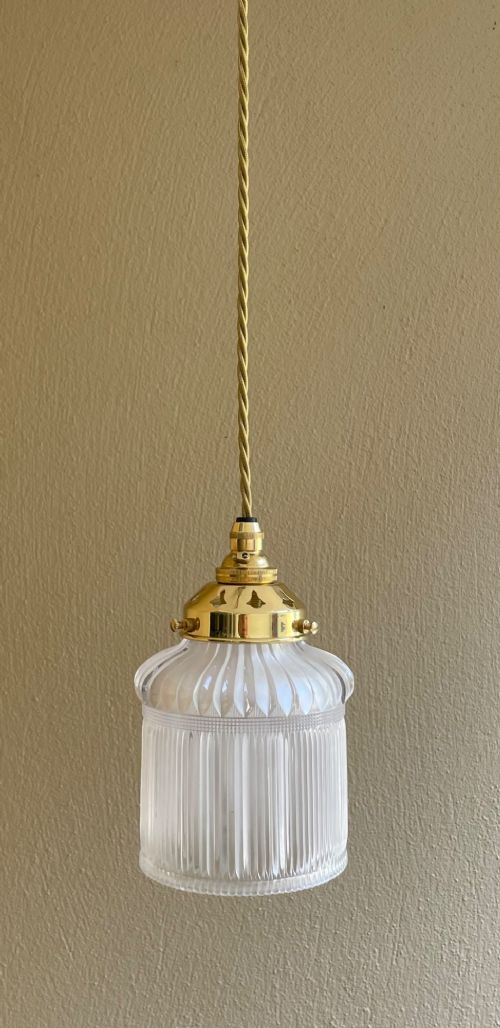
- A single light fixture suspended from the ceiling by a cord, chain, or metal rod. These direct illumination downward over specific areas.
- Plafonnier
- A flush-mounted or semi-flush ceiling light designed to sit close to the ceiling surface. This French term appears often alongside Art Deco examples.
- Holophane
- A specific type of prismatic glass engineered to direct and refract light efficiently. These shades are prized in industrial and commercial lighting.
Retro Ceiling Lamp: Frequently Asked Questions
How do I hang a heavy antique chandelier safely?
Heavy fixtures require direct anchoring into ceiling joists using steel mounting brackets rather than relying on standard plaster or lath. Professional electricians should assess the weight bearing capacity before installation.
Ensuring the electrical junction box supports the combined weight of metalwork and glass components prevents structural failure over time.
Can I use modern LED bulbs in these fittings?
Modern LED bulbs work effectively inside vintage glass shades provided the base fitting matches standard socket sizes. Selecting warm colour temperatures preserves the original amber or soft glow intended by the period design.
Lower heat output from LEDs also protects delicate antique glass and nineteenth-century wiring insulation from thermal degradation.
How do I clean delicate opaline and frosted glass shades?
Wash glass components gently in warm water using mild soap, avoiding abrasive scouring pads that scratch soft historic surfaces. Dry each piece thoroughly with a lint-free cloth before reassembly.
Remove metal galleries carefully beforehand to prevent water damage to vintage brass, copper, or chrome finishes.
What is the difference between industrial and Art Deco ceiling lights?
Industrial ceiling lights prioritise utilitarian function, featuring robust enamel or metal shades designed for factories and workshops. Art Deco fixtures emphasise geometric symmetry, decorative brass, and stylised opaline or crackle glass.
Industrial forms focus on directed task lighting while Art Deco designs serve as prominent decorative room centrepieces.